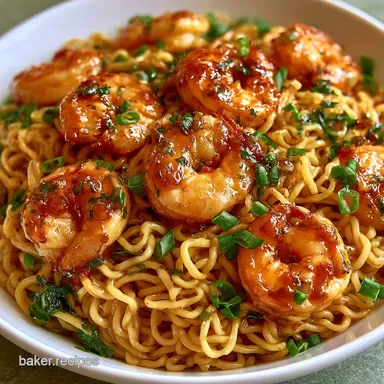
Honey Garlic Shrimp Chow Mein: Glossy and Savory
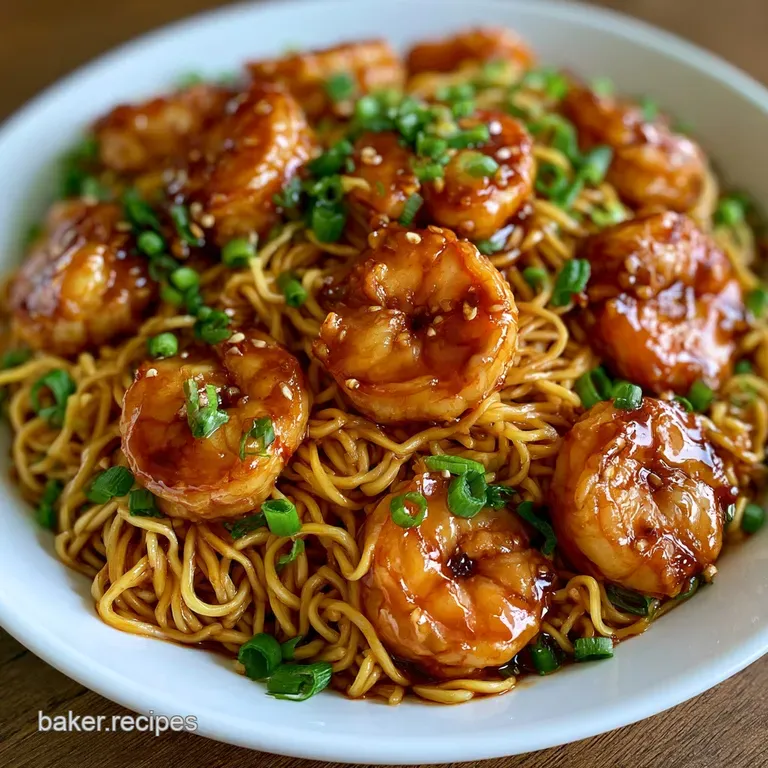
- Time:15 minutes active + 10 minutes cooking = Total 25 minutes
- Flavor/Texture Hook: Velvety shrimp with a glossy, sweet savory glaze and crisp tender cabbage
- Perfect for: A chaotic weeknight dinner when you need a win in under 30 minutes
- Honey Garlic Shrimp Chow Mein
- The Secret to the Glaze
- Component Analysis
- Gathering Your Essentials
- The Right Gear for Sizzle
- Step-by-Step Cooking Flow
- Avoiding Common Kitchen Disasters
- Troubleshooting Common Issues
- Adjusting Your Batch Size
- Common Kitchen Myths
- Smart Storage and Waste
- Best Ways to Serve
- Critical Sodium Level
- Recipe FAQs
- 📝 Recipe Card
Honey Garlic Shrimp Chow Mein
The first thing you'll notice is that aggressive sizzle when the shrimp hits the oil. It's that sound that tells you the heat is exactly where it needs to be. I remember the first time I tried this, I was too timid with the stove.
I kept the heat medium, and instead of searing, the shrimp just boiled in their own juices. They turned out gray and rubbery, and the sauce never actually glazed, it just sat there like a salty soup.
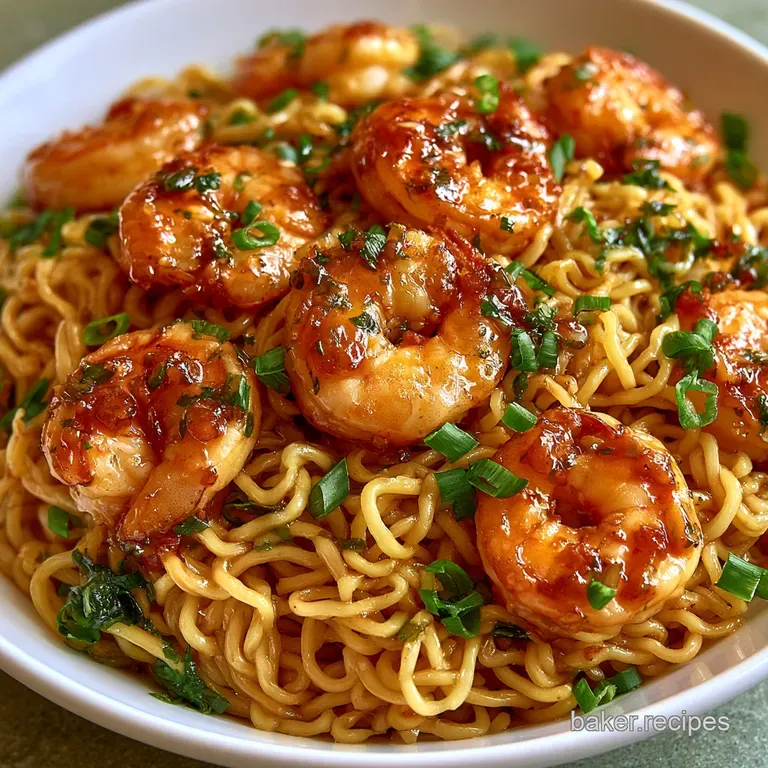
Once I stopped being afraid of the high heat, everything changed. Now, the shrimp get those little browned edges, and the honey in the sauce caramelizes almost instantly. The smell of toasted sesame oil and garlic filling the kitchen is honestly the best part of the whole process.
It's a quick win that feels way more impressive than the effort actually requires.
You can expect a dish where the noodles are coated in a sticky, golden sauce that doesn't pool at the bottom of the bowl. The shrimp stay plump and juicy, and the cabbage keeps just enough bite to cut through the sweetness of the honey. It's a balance of salty soy and floral honey that hits all the right notes.
The Secret to the Glaze
Starch Shield: Tossing the shrimp in cornstarch creates a thin barrier that locks in moisture and helps the sauce cling to the protein.
Sugar Reduction: Honey thickens as water evaporates, turning a thin liquid into a velvety glaze that coats the noodles.
High Heat Searing: Cooking at high temperatures creates a quick crust on the shrimp, preventing them from overcooking through to the center.
Aromatic Infusion: Sautéing garlic and ginger in oil first releases fat soluble flavors that permeate the entire dish.
| Method | Time | Texture | Best For |
|---|---|---|---|
| Fast Stir Fry | 25 mins | Glossy & Crisp | Weeknight meals |
| Classic Braise | 50 mins | Soft & Integrated | Slow Sunday dinner |
| Oven Baked | 30 mins | Roasted & Charred | Large crowds |
Component Analysis
| Ingredient | Science Role | Pro Secret |
|---|---|---|
| Cornstarch | Thickening Agent | Use just a pinch to avoid a "pasty" taste |
| Honey | Glaze Base | Warm it slightly if it's too thick to whisk |
| Sesame Oil | Aromatic Fat | Add at the end or in the sauce to keep the nuttiness |
| Rice Vinegar | Acid Balance | Cuts through the honey's heaviness |
Gathering Your Essentials
For the protein, we're using 1 lb large shrimp, peeled and deveined. Why this? Large shrimp hold their shape and don't overcook as fast as small ones. You'll need 1 tbsp soy sauce, 1 tsp cornstarch, and ½ tsp black pepper for the shrimp coating.
The sauce is where the magic happens: ⅓ cup honey, ¼ cup soy sauce, 1 tbsp rice vinegar, 1 tbsp sesame oil, and 1 tsp sriracha. Why this? Sriracha adds a back end heat that balances the honey. If you're out of sriracha, a pinch of red pepper flakes works, though the flavor is slightly different.
For the bulk of the meal, grab 12 oz chow mein noodles, 2 cups shredded cabbage, and 1 cup julienned carrots. Why this? Cabbage provides the essential crunch. You'll also need 3 cloves garlic, minced, 1 tbsp fresh ginger, grated, 2 tbsp vegetable oil, and 2 stalks green onions, sliced.
If you're looking for more seafood ideas, you might enjoy this shrimp burger recipe for a different take on the protein.
| Original Ingredient | Substitute | Why It Works |
|---|---|---|
| Honey (1/3 cup) | Brown Rice Syrup (1/3 cup) | Similar viscosity. Note: Less floral, more earthy taste |
| Chow Mein Noodles | Soba Noodles (12 oz) | Nutty flavor. Note: Cooks faster, don't overboil |
| Cabbage (2 cups) | Bok Choy (2 cups) | Similar crunch. Note: Adds a more authentic peppery note |
| Shrimp (1 lb) | Tofu Cubes (1 lb) | Absorbs sauce. Note: Press tofu first to ensure it sears |
The Right Gear for Sizzle
A carbon steel wok is the gold standard here because it distributes heat unevenly, allowing you to sear the shrimp in the center and move veggies to the sides. But don't stress if you don't have one, a wide stainless steel skillet works just fine.
Avoid non stick if you can, as you can't get them as hot without damaging the coating.
You'll also want a sturdy spatula or tongs. Tongs are better for the shrimp so you don't break them, while a spatula is great for tossing the noodles. I also recommend a small whisk for the sauce to make sure the honey and soy are completely integrated before they hit the pan.
Step-by-step Cooking Flow
Whisk together the honey, soy sauce, rice vinegar, sesame oil, and sriracha in a small bowl. Note: This prevents the honey from clumping when it hits the hot pan.
Toss the shrimp with 1 tablespoon of soy sauce, cornstarch, and black pepper. Note: This creates the "velveting" effect for a silky texture.
Heat 1 tablespoon of vegetable oil in a wok over high heat until shimmering.
Sear shrimp in a single layer for 1-2 minutes per side until opaque and pale pink, then remove from the pan and set aside. Note: Removing them now prevents them from becoming rubbery.
Add the remaining 1 tablespoon of vegetable oil to the pan.
Sauté the minced garlic and grated ginger for 30 seconds until fragrant but not brown.
Add shredded cabbage and julienned carrots, stir frying for 2-3 minutes until slightly wilted.
Return the cooked noodles and seared shrimp to the wok.
Pour the prepared honey garlic sauce over the mixture and toss vigorously over high heat for 2 minutes until the sauce reduces to a glossy glaze.
Stir in sliced green onions and remove from heat immediately.
Avoiding Common Kitchen Disasters
Troubleshooting Common Issues
| Issue | Solution |
|---|---|
| Why Your Shrimp Are Rubbery | Overcooking is the main culprit. Shrimp cook incredibly fast, and if they stay in the pan while you're doing the veggies, they'll shrink and toughen. According to guidelines from Serious Eats is a great cold alternative. |
Adjusting Your Batch Size
When you're cooking for a crowd and need to double the recipe, don't just double the oil. Use about 1.5x the oil, as the pan stays hotter once it's seasoned. The most important part is the shrimp - cook them in two separate batches.
If you dump 2 lbs of shrimp into one pan, the temperature will drop, and you'll get that "gray boiling" effect I mentioned earlier.
For the sauce, you can double it exactly. However, be careful with the sriracha; heat can compound, so start with 1.5x and taste it before adding the full amount.
If you're just cooking for one, halve everything. Use a smaller skillet so the sauce doesn't spread too thin and evaporate too quickly. Since the volume is lower, the garlic and ginger will brown much faster, so keep your eyes on the pan.
Common Kitchen Myths
Searing shrimp "seals in the juices." This is a myth. Searing creates flavor through browning, but it doesn't create an impermeable wall. The real secret to juicy shrimp is simply not overcooking them.
You must use a wok for stir fry. While a wok is great for heat control, a heavy bottomed stainless steel skillet works perfectly well for this honey garlic shrimp chow mein. The key is the temperature, not the shape of the pan.
Fresh ginger is just for show. Actually, the difference between powdered ginger and fresh grated ginger is massive. Powdered ginger is woody and dry; fresh ginger has a zesty, spicy punch that is essential for this recipe.
Smart Storage and Waste
Store any leftovers in an airtight container in the fridge for up to 3 days. The noodles will soak up some of the sauce over time, so they might seem a bit drier when you pull them out.
To reheat, avoid the microwave if you can. Instead, toss the noodles back into a pan over medium heat with a tiny splash of water or soy sauce. This loosens the glaze and brings back that glossy look without turning the shrimp into rubber.
For zero waste, don't throw away the ends of your green onions or the ginger peel. I keep a "scrap bag" in the freezer for onion ends, carrot peels, and celery tops. Once the bag is full, I simmer them with water to make a basic vegetable stock for other recipes.
If you have leftover cabbage, it's great shredded into a quick slaw with some of the rice vinegar and sesame oil.
Best Ways to Serve
This dish is a complete meal on its own, but a few additions can make it feel like a restaurant experience. Start with a heavy sprinkle of toasted sesame seeds for a nutty crunch. Freshly sliced scallions are a must for a pop of color and a sharp, fresh contrast to the sweet sauce.
If you want a side, a simple steamed broccoli or a chilled cucumber salad with rice vinegar works perfectly. The acidity of a cucumber salad cleanses the palate between bites of the rich, honey glazed noodles.
For a bit of extra heat, serve it with a side of chili oil or a squeeze of fresh lime juice right before eating. The lime juice wakes up all the flavors and makes the shrimp taste even fresher. Trust me on this - a squeeze of lime is the "secret" finish that makes this dish feel professional.
Critical Sodium Level
1480 mg 1,480 mg of sodium per serving (64% 64% of daily value)
The American Heart Association recommends a daily limit of 2,300mg, though an ideal limit for most adults is 1,500mg to lower blood pressure.
Sodium Reduction Strategies for Shrimp Chow Mein
-
Switch to Low-Sodium Soy Sauce-30%
Replace the regular soy sauce with low-sodium soy sauce or coconut aminos to drastically reduce the primary salt source.
-
Boost Acid and Tang-20%
Increase the rice vinegar or add fresh lime juice; the acidity mimics the 'bite' of salt, allowing you to use less soy sauce.
-
Audit Your Noodles-15%
Swap standard chow mein noodles for low-sodium brown rice noodles or zucchini noodles to remove hidden processed sodium.
-
Substitute the Sriracha-10%
Replace sriracha with fresh diced bird's eye chilies or crushed red pepper flakes for heat without the added salt.
-
Amplify Fresh Aromatics
Increase the amount of freshly grated ginger and minced garlic to create a deeper flavor profile that reduces the craving for salt.
Recipe FAQs
What are the ingredients for shrimp chow mein?
Shrimp, chow mein noodles, and a honey garlic sauce. You will also need shredded cabbage, julienned carrots, garlic, ginger, soy sauce, cornstarch, rice vinegar, sesame oil, sriracha, and vegetable oil.
Can you put honey in chow mein?
Yes, it adds a glossy glaze and balances the salt. In this recipe, honey is whisked with soy sauce and rice vinegar to create a sweet savory coating for the shrimp and noodles.
What are common mistakes in shrimp stir fry?
Overcooking the shrimp is the most frequent error. Cooking them too long makes them rubbery, so sear them for only 1-2 minutes per side and remove them from the pan before sautéing the vegetables.
What is the secret to good chow mein?
Balancing sweet and salty flavors while using high heat. This ensures the sauce reduces into a glaze rather than steaming the noodles. If you loved the sweet savory balance here, see how we use similar flavor layering in our Korean Banana Milk.
How to prevent shrimp from becoming rubbery?
Sear shrimp in a single layer for only 1-2 minutes per side. Remove them from the wok as soon as they turn opaque and pale pink to prevent toughening.
Is it true that you should cook shrimp and vegetables in the pan at the same time?
No, this is a common misconception. Cooking them together leads to overcooked shrimp and soggy vegetables; always sear the shrimp first and set them aside.
How to get a silky texture on the shrimp?
Toss the shrimp with cornstarch, soy sauce, and black pepper before searing. This creates a velveting effect that protects the protein and helps the honey garlic sauce cling to the shrimp.
Honey Garlic Shrimp Chow Mein