Marinated Cheese Recipe: Herb Vinaigrette Cubes
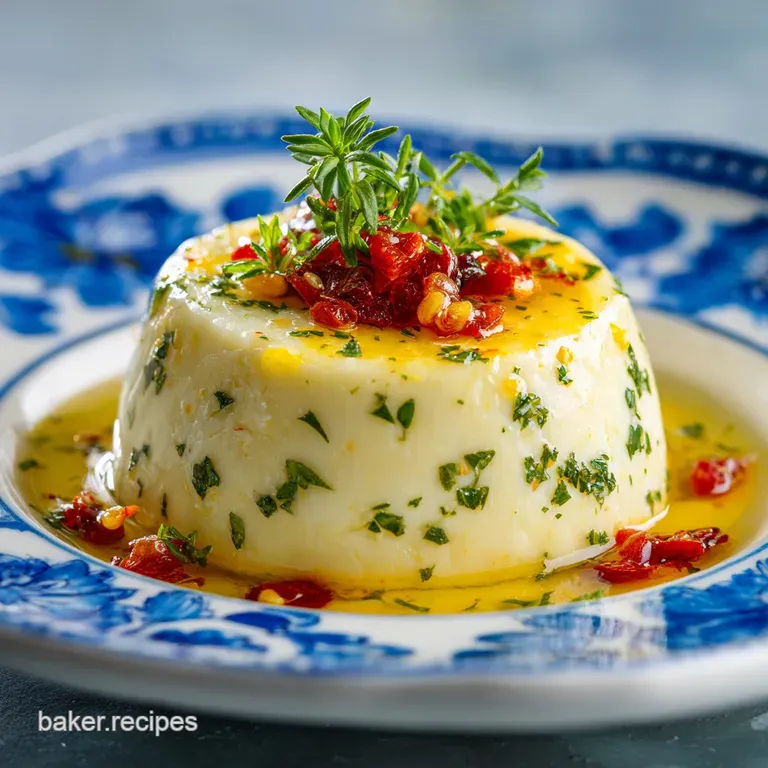
- Time: Active 20 minutes, Passive 4 hours, Total 4 hours 20 minutes
- Flavor/Texture Hook: Tangy, herbaceous cubes with a velvety smooth finish
- Perfect for: Game night, holiday appetizers, or low prep entertaining
Essential Specs for Better Hosting
Understanding the mechanics of this dish helps you avoid a greasy or bland result. When we talk about this Marinated Cheese Recipe, we are looking at a process called lipid infusion. Most of the aromatics we use like garlic and dried basil are fat soluble.
Because cheese is primarily fat, it acts like a sponge, pulling those flavors deep into its center rather than just letting them sit on the surface.
- Lipid Soluble Infusion: The olive oil dissolves aromatic compounds in the garlic and herbs, carrying them into the cheese structure.
- Acid Base Balance: White wine vinegar cuts through the heavy cream cheese, providing a sharp contrast that cleanses the palate.
- Cold Denaturation: Chilling the cheese before slicing ensures clean edges and prevents the cream cheese from smearing during assembly.
- Structural Contrast: Combining brittle sharp cheddar with malleable cream cheese creates a complex mouthfeel in every bite.
Infusion Method Decision Guide
| Method | Time | Texture | Best For |
|---|---|---|---|
| Quick Steep | 2 hours | Mild flavor, firm cubes | Last minute guests |
| Overnight Soak | 12 hours | Intense garlic, softer cheese | Maximum flavor depth |
| Room Temp Finish | 30 minutes | Velvety, spreadable | Easier cracker dipping |
Choosing the right time frame changes the experience. If you soak the cheese for a full 24 hours, the pimentos and onions begin to break down slightly, creating a more cohesive "sauce" around the cubes.
I usually aim for the 4 hour mark it is the sweet spot where the cheese is still distinct but the marinade has found its way home.
Smart Shopping for Maximum Flavor
Success here depends on the quality of your fats. Since olive oil makes up a huge portion of the marinade, do not use the cheap "light" stuff meant for frying. You want an extra virgin oil that smells like fresh grass. It provides the base note that ties the sharp cheddar and pimentos together. If you find yourself wanting a different profile, this technique works similarly to how we build the base for a Homemade Baked Mac recipe, where the fat carries the seasoning.
Component Deep Dive
| Ingredient | Science Role | Pro Secret |
|---|---|---|
| Sharp Cheddar | Structural Base | Use a block, never pre shredded; the starch coating ruins the infusion. |
| Cream Cheese | Texture Emollient | Freeze for 15 minutes before slicing to get those crisp, clean cubes. |
| White Wine Vinegar | Palate Cleanser | High acidity breaks down the fat film on the tongue for a brighter finish. |
| Fresh Garlic | Aromatic Punch | Mincing into a paste releases more Allicin than slicing, giving a bigger "sizzle." |
For the cheeses, you need contrast. I strictly use 8 oz (225g) of sharp cheddar and 8 oz (225g) of cream cheese. The cheddar provides the salt and the "snap," while the cream cheese provides the "velvety" cushion. Do not try to use a mild cheddar here; the marinade is too bold and will completely drown it out.
Ingredients and Substitutes
- 8 oz sharp cheddar cheese (Substitute: Extra sharp white cheddar. Why this? Provides a firm, salty bite that resists breaking down in the acidic marinade.)
- 8 oz cream cheese (Substitute: Neufchâtel. Why this? Creates the essential creamy contrast to the firm cheddar cubes.)
- 0.5 cup extra virgin olive oil (Substitute: Avocado oil. Why this? Acts as the primary flavor carrier for the dried herbs and garlic.)
- 3 tbsp white wine vinegar (Substitute: Apple cider vinegar. Why this? Adds the necessary brightness to cut through the heavy dairy fats.)
- 0.25 cup fresh parsley (Substitute: Fresh cilantro for a Tex Mex twist. Why this? Adds a necessary grassy freshness and visual pop.)
- 0.25 cup green onions (Substitute: Finely minced shallots. Why this? Provides a mild, sweet onion bite without the harshness of raw white onion.)
- 2 oz diced pimentos (Substitute: Finely chopped roasted red peppers. Why this? Drained pimentos add a sweet, earthy depth and iconic red color.)
- 3 cloves garlic (Substitute: 1 tsp garlic powder in a pinch. Why this? Fresh garlic is non negotiable for that punchy, aromatic "sizzle.")
- 1 tsp sugar (Substitute: Honey. Why this? Just enough to balance the vinegar's sharp edge without being sweet.)
- 0.5 tsp dried basil (Substitute: Dried oregano. Why this? Dried herbs hydrate better in oil than fresh ones for long infusions.)
- 0.25 tsp salt and black pepper
Simple Tools for Perfect Prep
You do not need a kitchen full of gadgets for this Marinated Cheese Recipe, but a few specific items make the difference between a messy pile and a stunning platter. A sharp chef's knife is your best friend here.
If the knife is dull, you will end up squashing the cream cheese instead of slicing it, resulting in a blurry mess rather than a beautiful mosaic.
- A shallow glass dish: A 9x13 inch (23x33cm) pan or a large shallow bowl is better than a deep one. You want the cheese to sit in a single or double layer so the marinade covers everything evenly.
- Fine mesh sieve: This is for the pimentos. If you don't drain them properly, the liquid will turn your beautiful marinade pink and watery.
- Whisk: To properly emulsify the oil and vinegar before pouring.
- Bench scraper: Optional, but very helpful for picking up the cheese cubes without warming them with your hands.
Trust me, the glass dish is key. Plastic containers can sometimes hold onto old scents (like onions), and since the cheese is sitting in this marinade for hours, you don't want any ghost flavors interfering with your fresh garlic and basil.
step-by-step Infusion and Assembly
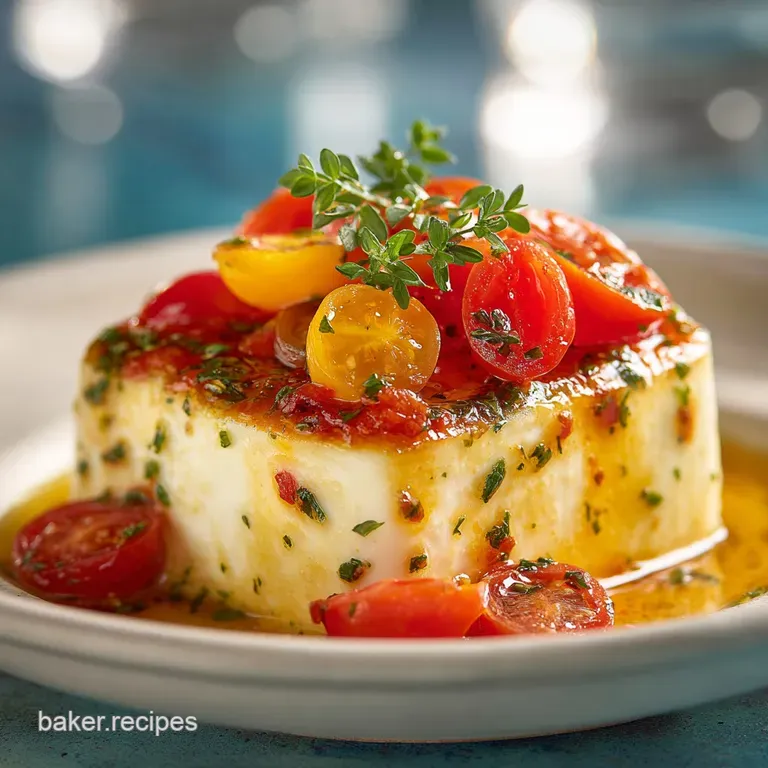
Preparing the Cheese Mosaic
First, make sure your 8 oz (225g) of cream cheese is very cold. I usually pop mine in the freezer for about 15 minutes before I start. Slice both the cream cheese and the 8 oz (225g) of sharp cheddar into 1/2 inch (1.25cm) cubes.
Chef's Tip: Dip your knife in warm water and wipe it clean between every few slices of cream cheese. This prevents the "drag" that causes the cubes to tear or stick.
Emulsifying the Herb Vinaigrette
In a small bowl, whisk together the 0.5 cup (120ml) of olive oil and 3 tbsp (45ml) of white wine vinegar. Add your 1 tsp of sugar, 0.5 tsp dried basil, and the salt and pepper. Whisk vigorously until the oil and vinegar are temporarily combined and look slightly cloudy.
Next, fold in the 3 minced garlic cloves, 0.25 cup (15g) of parsley, 0.25 cup (25g) of green onions, and the drained pimentos. This ensures the aromatics are evenly suspended in the oil before they hit the cheese.
Mastering the Final Infusion
- Arrange the cubes: Place the cheddar and cream cheese in your shallow dish, alternating them or standing them on their sides in rows.
- Pour the marinade: Drizzle the herb mixture slowly over the top, ensuring every single cube gets a bit of the oil and herbs.
- Check the coverage: Use a spoon to gently nudge the marinade into any gaps.
- Seal and chill: Cover the dish tightly with plastic wrap or a lid.
- Refrigerate: Let it sit for at least 4 hours.
- Baste halfway: If you have the time, take it out at the 2 hour mark and spoon some of the oil from the bottom back over the top cubes.
- Final Tempering: Take the dish out of the fridge 15 minutes before serving until the olive oil clarifies and loses its cloudy, chilled look.
- Serve with crackers: Provide sturdy crackers or baguette slices that can handle the weight of the cheese.
Solving Common Cheese Platter Blunders
The biggest risk with this Marinated Cheese Recipe is ending up with a "mushy" situation. If the cream cheese is too warm, it starts to melt into the oil, creating a cloudy, unappealing look. You want those cubes to stay distinct and sharp.
Avoiding the Melted Look
If you notice your cream cheese cubes are losing their shape, it is usually because the marinade was too warm when added, or the cheese sat out too long during prep. Always work fast. If you’re making a huge batch, keep half the cheese in the fridge while you prep the first half.
It feels a bit neurotic, but the visual of those clean cubes is what makes this a "crowd favorite cheese appetizer."
Controlling the Garlic Punch
Raw garlic gets stronger the longer it sits in acid. If you are planning to let this marinate for more than 12 hours, you might want to slice the garlic thinly instead of mincing it into a paste.
This slows down the flavor release so the "sizzle" of the garlic doesn't become a "burn" that overpowers the parsley and basil.
| Problem | Root Cause | Solution |
|---|---|---|
| Cloudiness in Oil | Oil is too cold or cheese is melting | Let it sit at room temp for 15 mins before serving. |
| Bland Flavor | Not enough salt or short marinating | Add a pinch of flaky salt and let it sit 2 more hours. |
| Smashed Cubes | Dull knife or warm cream cheese | Chill the cheese and use a hot, sharp knife. |
Common Mistakes Checklist
- ✓ Using "salad" pimentos instead of whole pimentos you dice yourself (whole ones are firmer).
- ✓ Forgetting to drain the pimentos on paper towels (excess moisture ruins the oil emulsion).
- ✓ Using dried parsley instead of fresh (fresh parsley is vital for the bright green color).
- ✓ Over stirring once the marinade is on the cheese (this breaks the delicate cream cheese cubes).
- ✓ Serving it straight from the fridge (the oil needs to liquefy slightly for the best flavor).
Creative Swaps for Savvy Cooks
One of the best things about this Marinated Cheese Recipe is how adaptable it is. If you find yourself out of white wine vinegar, you can easily pivot. This recipe is as flexible as my Mamas Pimento Cheese recipe, which also relies on that classic Southern combination of sharp dairy and sweet peppers.
Adjusting for Large Crowds
- Scaling UP (2x)
- Use 16 oz of each cheese. Keep the salt and spices at 1.5x to start, then taste. You don't want the salt to become overwhelming. Increase the oil to 1 cup, but keep the vinegar at 5 tbsp to prevent it from getting too sharp.
- Scaling DOWN (1/2)
- Use 4 oz of each cheese. Reduce the oil to 1/4 cup. Be careful with the garlic 1 large clove is usually enough for a small batch.
- Work in batches
- If making this for 50 people, use two separate shallow dishes rather than one deep one. This ensures the marinade reaches every piece of cheese.
Beating Restaurant Board Prices
You can easily swap the pimentos for sun dried tomatoes or kalamata olives for a Mediterranean flair. This instantly changes the vibe from a "Southern Classic" to a "Tuscan Antipasto." If you want a spicy kick, add half a teaspoon of red pepper flakes to the oil.
The heat will bloom in the fat, creating a slow burn effect that is incredibly addictive.
Debunking Cheese Prep Legends
One common myth is that you must use expensive imported cheese. Honestly, don't even bother with the $20 a pound artisan cheddars here. A standard, high-quality supermarket sharp cheddar (like Cabot or Tillamook) actually holds its shape better in the marinade.
Another myth is that the oil is "wasted" once the cheese is gone. Absolutely not! That leftover oil is liquid gold use it to sauté chicken or as a base for a killer pasta sauce the next day.
Proper Storage and Zero Waste
This dish actually gets better after 24 hours, but there is a limit. Fridge: Keep it in an airtight container for up to 5 days. After that, the cream cheese starts to get a bit too soft, and the green onions lose their crunch. Freezer: Do not freeze this.
The texture of both the cream cheese and the cheddar will become grainy and "shatter" in an unappealing way once thawed. The oil will also separate and look unappetizing.
Zero Waste Tips
If you find yourself with leftover marinade but no cheese, do not toss it! The herb garlic oil is a fantastic marinade for grilled shrimp or a dressing for a cold pasta salad. If you have tiny scraps of cheese left over, toss them into a pot of grits or melt them into the sauce for The Homemade Mac recipe. The pimentos and herbs will add a wonderful depth to a standard cheese sauce.
Ideal Pairings for Every Party
Serving this Marinated Cheese Recipe is all about the "crunch" factor. You need a vessel that can support the weight of two cubes of cheese. I love a thick, buttery cracker or a piece of toasted sourdough. The sourdough’s natural tang plays beautifully with the white wine vinegar in the marinade.
Selecting the Perfect Vessel
- Toasted Baguette: Slice thin, brush with a little plain olive oil, and bake at 180°C (350°F) until they shatter when bitten.
- Water Crackers: Good for a neutral base, but they can be a bit flimsy.
- Pita Chips: The saltiness and thickness make these a winner for the heavier cream cheese cubes.
The Ideal Drink Pairing
For drinks, think high acidity. A crisp Sauvignon Blanc or a dry Sparkling Rosé works wonders because the bubbles and acid scrub the palate clean after each rich, velvety bite.
If you’re a beer lover, a sharp Pilsner or a citrusy IPA provides a nice hoppy bitterness that balances the sweetness of the pimentos. This recipe is a showstopper, and once you master the balance of the marinade, it will become your most requested appetizer.
Trust me on this one just make sure you make enough!

Recipe FAQs
What is the minimum marinating time required for noticeable flavor?
Four hours is the minimum target. This allows the fat-soluble aromatics from the herbs and garlic to begin penetrating the cheese structure, though overnight yields superior results.
Can I substitute the white wine vinegar with lemon juice?
No, stick to vinegar for the best result. Lemon juice is highly acidic and tends to "cook" the cheese faster, leading to a mushier texture rather than the desired sharp, palate cleansing cut.
How to prevent the cream cheese cubes from smearing during assembly?
Freeze the cream cheese for 15 minutes prior to slicing. This firms up the dairy enough to achieve clean, defined edges, a technique similar to the texture control needed when making a [Sugar Cookie recipe] base.
Is it true that pre-shredded cheddar cheese works just as well?
False. Never use pre-shredded cheese. Pre-shredded varieties are coated in anti caking agents, usually starch, which actively prevents the marinade from being absorbed into the cheese.
Can I use a room temperature infusion method to speed things up?
Yes, but keep it brief (under one hour). While you can infuse at room temperature, leaving it out too long causes the cream cheese to soften excessively and compromises the overall visual appeal of the mosaic.
What should I do with the leftover flavored oil after the cheese is eaten?
Do not discard the oil; it is highly flavorful. Strain it and use it as a potent base for salad dressings or to sauté vegetables, applying the same lipid infusion skill used in our [Slow Cooker Chicken preparation].
What temperature should the cheese be when serving for optimal texture?
Temper the cheese for 15 minutes before serving. This allows the olive oil to liquefy slightly and release its full flavor while the cheddar and cream cheese remain firm enough to hold their shape.
Marinated Cheese Recipe Guide
Ingredients:
Instructions:
Nutrition Facts:
| Calories | 170 kcal |
|---|---|
| Protein | 4.4 g |
| Fat | 16.3 g |
| Carbs | 1.4 g |
| Fiber | 0.1 g |
| Sugar | 0.6 g |
| Sodium | 138 mg |
