Pioneer Woman Sausage Stuffing: Ranch-Style Sage Dressing with Crispy Edges

- The Pioneer Woman Sausage Stuffing: Why It's the Holiday Star
- Achieving the Perfect Balance: Crispy Top, Moist Middle
- Essential Ingredients for Pioneer Woman Style Stuffing
- How to Make the Ultimate Savoury Sausage Stuffing (Step and by-Step Guide)
- Troubleshooting Your Stuffing: Expert Baking Secrets
- Make and Ahead Guide and Safe Stuffing Storage
- Perfect Pairings: What to Serve Alongside Your Stuffing
- Recipe FAQs
- 📝 Recipe Card
The Pioneer Woman Sausage Stuffing: Why It's the Holiday Star
When that first wave of fragrant sage hits the hot, browned sausage, you know you’ve entered the holiday zone. This stuffing isn't just a side dish; it’s a centerpiece hearty, ridiculously savoury, and perfectly moist on the inside with those crucial, buttery, crisp edges.
It smells like everything right about Thanksgiving, truly.
I swear by this recipe because it’s a total game and changer for reducing holiday stress. It relies on simple, robust ingredients sausage, celery, and a ton of butter meaning it's almost impossible to mess up, and you can prep most of it the day before.
Plus, it feeds a crowd without requiring a second mortgage.
This isn't some fiddly, fancy stuffing; this is the real deal, classic ranch comfort food where the flavor is big and bold. Forget the bland, gummy versions you suffered through as a kid; trust me, this Pioneer Woman Sausage Stuffing Recipe is going to be your new tradition. Let's crack on.
Achieving the Perfect Balance: Crispy Top, Moist Middle
Defining the Classic Ranch Stuffing Texture
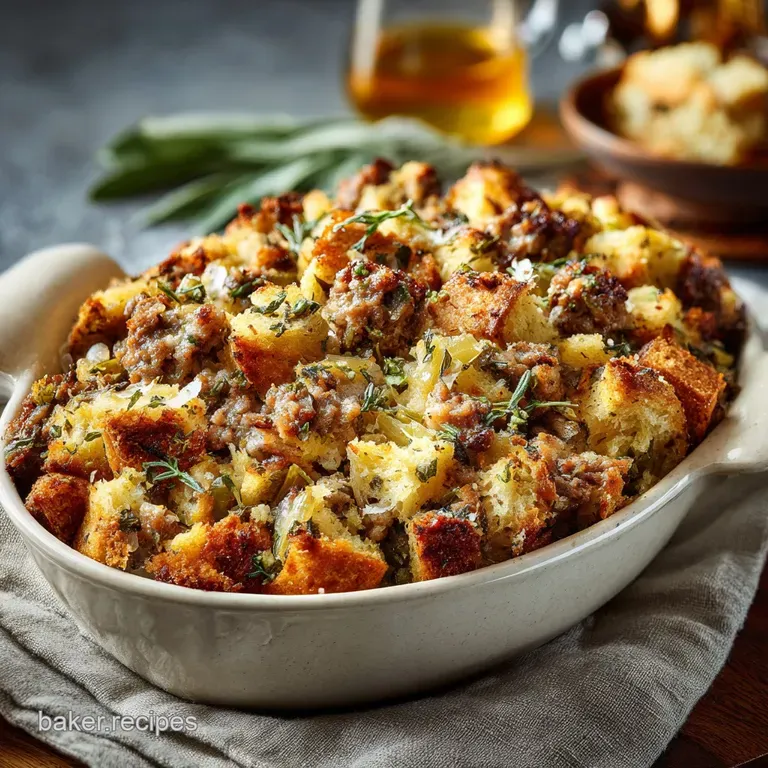
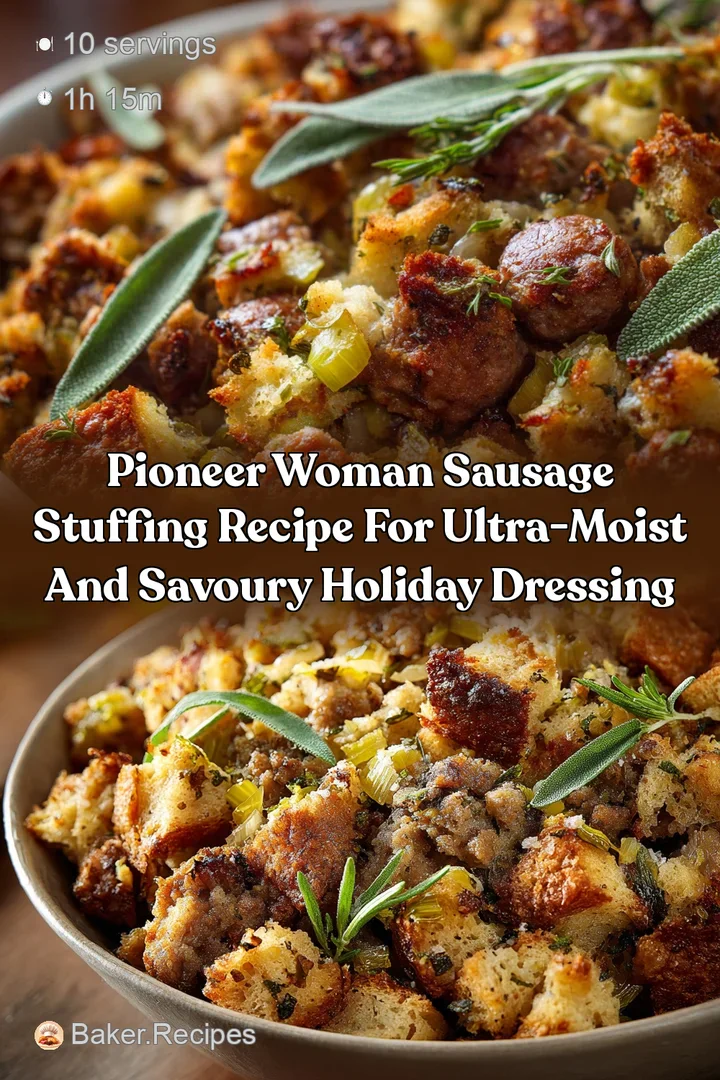
The goal here is contrast. We want the crunchy, slightly caramelized top bits of the bread to give way to a deeply savoury, almost custard and like interior. If your stuffing is uniformly soggy, you missed a critical step (more on that later). It should hold together, but still feel airy.
Savoury Sausage and Sage: The Flavour Foundation
The secret to why this recipe is the best sausage dressing is flavor layering. We brown the sausage first, which builds a fantastic, meaty base and leaves behind essential rendered fat.
That sausage fat then becomes the vehicle for sautéing the celery and onions, maximizing the rich, cohesive flavor of the final dish.
Equipment Checklist: What You Need for the Perfect Bake
You don't need fancy tools, but you absolutely need two things: A large, heavy and bottomed skillet for cooking the sausage and aromatics, and the biggest mixing bowl you own. Seriously, attempting to mix 10 cups of dried bread cubes in a small bowl is my biggest mistake from 2018. Learn from my struggles!
The Role of Browned Butter and Aromatics
While we don't intentionally brown the butter completely (we want it melted and mixed into the stock), using it generously when sautéing the celery and onions is mandatory. It mellows the harshness of the aromatics and creates a nutty, deep background note that ties the sage and pork together beautifully.
Cook those veggies until translucent, not mushy.
Selecting the Right Bread Base for Optimal Absorption
You must, must, MUST use sturdy bread. Think day and old sourdough, French bread, or a high and quality Pullman loaf. Soft sandwich bread will turn instantly into a gummy paste when the liquid hits it. For that ultimate, nutty crispness, I recommend trying my methods in the Thanksgiving Sourdough Stuffing: The Ultimate Nutty Crisp Recipe .
The Science of the Binding Liquid (Broth vs. Stock)
We use warm, low and sodium chicken stock (or turkey stock) combined with beaten eggs. The stock delivers moisture and flavor, soaking into the dry bread cubes. The eggs are the binder; they coagulate when baked, preventing the stuffing from turning into a pile of crumbs and giving it that slightly custardy structure you find in the middle.
Always temper the eggs by slowly whisking in the warm stock.
Essential Ingredients for Pioneer Woman Style Stuffing
Choosing Your Sausage: Mild Italian vs. Breakfast Style
The Pioneer Woman Stuffing usually leans toward breakfast sausage, but I prefer mild or hot Italian ground pork sausage (casings removed). It already has fennel and red pepper flakes, adding complexity without any extra effort. If you prefer a simpler, sweeter profile, go with plain breakfast sausage. Remember, the quality of your sausage directly impacts the flavour of the whole dish! If you're looking for a quick appetizer version of this, check out my Stuffing Sausage Balls Recipe: Moist Holiday Appetizers with Sage .
Aromatics: The Trinity of Onion, Celery, and Garlic Prep
We’re keeping it classic: onion, celery, and garlic. Dice the onion and celery relatively small so they soften completely into the stuffing and don't remain crunchy. The garlic should be added right at the end of the sauté process (cook for just 60 seconds) so it doesn't burn and turn bitter.
Herb Deep Dive: Fresh Sage vs. Dried Sage Quantities
This recipe demands fresh sage. Dried sage is acceptable if that’s all you have, but it won’t give you that bright, fragrant holiday perfume. If swapping, remember the dried rule: use 1/3 the amount of dried herbs compared to fresh. For 3 Tbsp fresh sage, use 1 Tbsp dried.
We also use thyme and lots of fresh parsley for brightness.
Strategic Ingredient Swaps for Dietary Needs
| Ingredient | Viable Substitute | Notes/Usage |
|---|---|---|
| Pork Sausage | Ground Turkey/Chicken + Fennel Seed | Add 1 tsp fennel seed and 1/2 tsp smoked paprika per pound. |
| Butter | High and Quality Olive Oil or Vegan Butter | Reduces richness slightly but maintains moisture. |
| Chicken Stock | Vegetable Broth | Use low and sodium to control the final salt level. |
| Sturdy Bread | Gluten and Free Sandwich Bread | Must be toasted until fully dry before mixing. |
How to Make the Ultimate Savoury Sausage Stuffing (Step and by-Step Guide)
Step 1: Browning the Sausage and Building the Flavor Base
Preheat your oven to 300°F (150°C) and toast those bread cubes with a touch of olive oil until bone and dry. Now, raise the temperature to 375°F (190°C). Meanwhile, brown the sausage in your skillet until it’s fully cooked and beautifully caramelized.
Drain off excess grease, but leave 2 3 tablespoons of that liquid gold in the pan. Add the sausage straight to the bowl with the toasted bread.
Step 2: Hydrating the Bread Cubes for the Best Moisture
Melt your butter in that same sausage and grease laced pan. Add the diced onions and celery and sauté for about 8 minutes until softened. Stir in the garlic and the fresh sage and thyme, cooking until you smell that nutty, incredible aroma about 1 minute.
Transfer this aromatic mixture and all the buttery liquid into the bread bowl.
Step 3: Mixing, Panning, and Preparing for Baking
Warm your chicken stock. Lightly beat the eggs in a small bowl, then slowly whisk in the warm stock. Pour this liquid mixture over the solids and add the fresh parsley. Now, use a spatula to gently fold everything together. Stop mixing the second the bread is moistened.
Chef's Note: Do not press the stuffing down into the baking dish! Scoop it in lightly. Packing it tightly is how you end up with a dense, heavy brick instead of fluffy, crispy Stuffing.
Transfer the mixture to a lightly greased 9x13 inch dish. Cover tightly with foil and bake at 375°F (190°C) for 30 minutes. Remove the foil and bake for an additional 15– 20 minutes until the top is deeply golden and crusty.
Troubleshooting Your Stuffing: Expert Baking Secrets
Preventing a Dry Stuffing Disaster
The main cause of dry stuffing is under and hydrating the bread or over and baking it uncovered. Always bake it covered for the first 30 minutes to trap steam and ensure the interior cooks through without drying out the surface.
If you see it looking thirsty before the bake, drizzle a couple of extra tablespoons of warm stock over the top before covering.
The Secret to Extra Crispy Stuffing Edges
You have two options for maximum crispness: First, bake it in a slightly wider, shallower dish. More surface area means more crispy corners. Second, right before the final 15 minutes of uncovered baking, dot the top generously with a few extra small pats of butter.
The butter will melt and fry the top bread cubes beautifully.
Adjusting Seasoning Before the Bake
You can’t easily taste stuffing that contains raw egg and raw sausage, but you can taste the liquid binder! Before you add the eggs and stock to the bread, taste the liquid (stock, melted butter, salt, pepper).
It should taste slightly aggressively seasoned, as the bread will absorb some of that flavor punch.
Make and Ahead Guide and Safe Stuffing Storage
Preparing and Storing Pioneer Woman Sausage Stuffing 24 Hours in Advance
This is a fantastic make and ahead dish. You have two routes:
- The Solids Method: Combine and sauté the sausage, aromatics, and herbs. Store the mixed solids (sausage, veggies, dried bread) in an airtight container. Store the liquid (stock, eggs, butter) separately in the fridge. Combine and bake on the day of serving.
- The Full Assembly: Assemble the entire stuffing mixture, place it in the baking dish, cover it, and refrigerate. Pull it out of the fridge at least 30 minutes before baking so it can come up toward room temperature. Add 10- 15 minutes to the total baking time since it’s starting cold.
Freezing Cooked Stuffing (Best Practices)
Yes, you can freeze it! Cool the fully cooked stuffing completely. Cut it into portions or freeze the whole pan (if using a disposable foil pan). Wrap it tightly first in plastic wrap, then in heavy and duty foil. It will keep for up to three months. Thaw overnight in the fridge.
Reheating Leftovers Without Losing Moisture
Reheating stuffing can quickly turn it into dust. To keep it moist, put the leftovers in an oven and safe dish, splash a spoonful of chicken stock over the top, cover tightly with foil, and reheat at 325°F (160°C) for about 20- 30 minutes.
The foil traps the steam, keeping the internal structure fluffy.
Perfect Pairings: What to Serve Alongside Your Stuffing
This savoury sausage stuffing is so rich, it pairs perfectly with simple, bright sides. If you’re making a traditional feast, serving it alongside a classic roast turkey and a light green bean salad is perfect.
If you’re looking for other hearty holiday side dish options, especially those centered around simple comfort, my recipes for Chicken Stuffing Bake: Cozy Comfort Casserole, Ready in 1 Hour or even the creamier Chicken Stuffing Casserole Recipe: Rich, Creamy Ready in 55 Mins are excellent additions to your holiday menu. These provide great textural contrast to the heartiness of the sausage and sage.
Recipe FAQs
Why is my sausage stuffing turning out too dry or crumbly?
Dry stuffing usually indicates insufficient liquid absorption or over baking uncovered. Ensure your bread is thoroughly moistened with the stock and egg mixture before baking, and cover the dish tightly with foil for the first 40 minutes of cooking.
If it still looks dry halfway through, add a splash more warm broth around the edges.
Can I assemble this Savoury Sausage Stuffing ahead of time?
Yes, this stuffing is perfect for making ahead! You can assemble the entire dish (without baking) up to 24 hours in advance. Store it tightly covered in the refrigerator, and ensure you let it sit on the counter for at least 30 minutes before baking to remove the chill.
What is the best type of bread to use, and can I use fresh bread?
Day-old, slightly stale bread such as sourdough or French baguettes is ideal because it holds its shape while absorbing the savory liquids without turning mushy. If you are using fresh bread, cube it and toast it lightly in a 300°F oven for about 15 minutes before incorporating it into the recipe.
Is it safe to cook this stuffing inside the turkey?
For optimal food safety and texture, we strongly recommend baking this sausage stuffing outside the turkey in a casserole dish. Stuffing cooked inside the bird must reach a minimum internal temperature of 165°F (74°C), which often results in the turkey breast becoming overcooked while you wait.
How can I make this stuffing gluten-free or vegetarian?
To make it gluten-free, simply substitute the traditional bread with high-quality, dedicated gluten-free stuffing cubes, ensuring they are toasted first. For a vegetarian option, substitute the sausage with sautéed mushrooms (cremini or wild) and a handful of toasted pecans for texture and depth.
I don't have plain breakfast sausage; what other meats work well?
You can easily substitute the breakfast sausage with Italian sausage (hot or mild) for a stronger, more complex flavor profile. Alternatively, ground pork mixed with a small amount of rendered, crispy pancetta or bacon adds excellent smokiness and richness.
How long can I safely store leftover cooked stuffing?
Leftover stuffing should be transferred to an airtight container and refrigerated within two hours of cooking. It can be safely stored in the refrigerator for up to 3 to 4 days. Always reheat leftovers thoroughly until they reach an internal temperature of 165°F (74°C).
Pioneer Woman Sausage Stuffing Recipe
Ingredients:
Instructions:
Nutrition Facts:
| Calories | 500 calories |
|---|---|
| Fat | 28 g |
| Fiber | 3 g |
