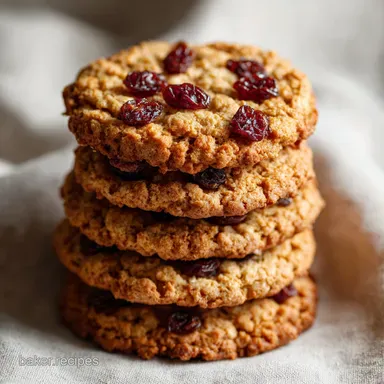
Soft Chewy Oatmeal Raisin Cookies: Golden and Pillowy
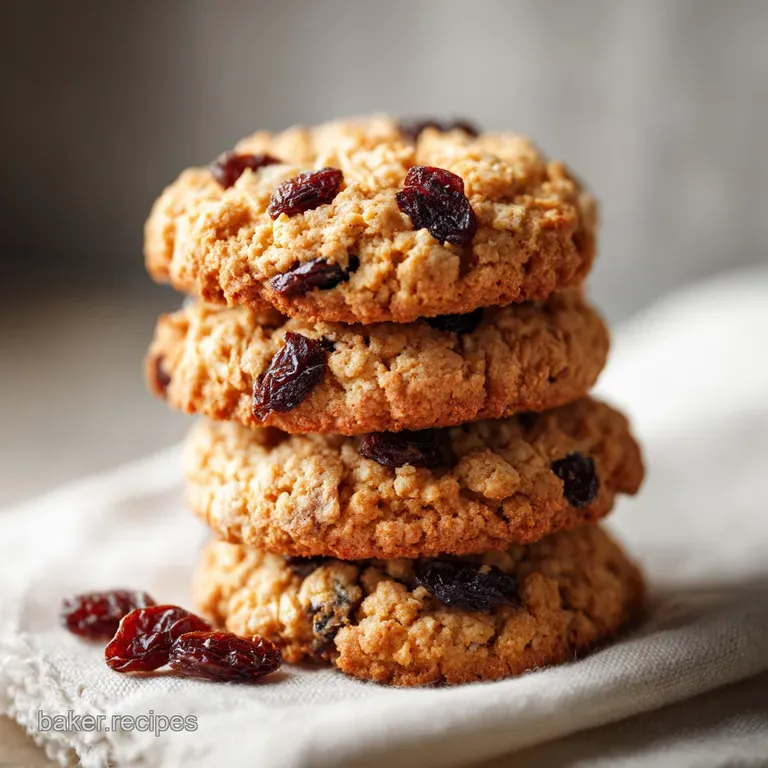
- Time:15 minutes active + 12 minutes baking = Total 42 minutes
- Flavor/Texture Hook: Plump, juicy raisins paired with a bendable, pillowy center and golden mahogany edges
- Perfect for: After school snacks, cozy winter afternoons, or a crowd-pleasing bake sale
The smell of toasted cinnamon and melting brown sugar hitting the air is honestly the best part of a Sunday afternoon. I remember a batch I made a few years back where I skipped the raisin soaking step. I thought, "Who cares, they're already wet," but I was wrong.
The result was a cookie that felt like a desert in my mouth, with raisins that had turned into little shriveled pebbles. It was a total disaster, but it taught me the most important lesson about this bake.
Once I started treating the raisins with a bit of respect, everything changed. Now, the cookies come out with that specific bakery style bend, where the center stays velvety while the edges have just enough snap.
These soft chewy oatmeal raisin cookies are all about the balance of moisture and sugar, making them feel like a warm hug in dessert form.
You can expect a cookie that is thick and hearty, not those flat discs that spread across the entire pan. We're aiming for something substantial that holds its shape but gives way easily when you bite into it. Trust me on the soaking process, and you'll get that spot on texture every single time.
Best Soft Chewy Oatmeal Raisin Cookies
The Logic Behind The Texture
Understanding why these work helps you avoid the common pitfalls of home baking. It's not just about mixing ingredients, but about how they interact.
- Raisin Hydration: Soaking raisins in warm water prevents them from absorbing moisture from the dough during baking. This keeps the cookie soft and the fruit plump.
- Brown Sugar Ratio: The higher molasses content in brown sugar attracts moisture, which creates a bendable, chewy crumb.
- Butter Temperature: Using softened butter allows for air to be whipped in during creaming, providing a pillowy lift.
- Oat Structure: Rolled oats provide a structural "skeleton" that keeps the cookies thick and prevents them from flattening.
- Leavening Balance: Baking soda reacts with the acidic brown sugar to create a gentle rise and a deep, toasted color.
Method Comparison
Depending on how you're feeling, you can switch up the way you bake these. Most people stick to the oven, but a skillet version is a total hidden gem for those who love a crispier bottom.
| Method | Time | Texture | Best For |
|---|---|---|---|
| Traditional Oven | 12 minutes | Evenly golden, soft center | Large batches, consistent results |
| Stovetop Skillet | 15 minutes | Crispy base, molten top | Single giant cookie, quick cravings |
This comparison shows that while the oven is the standard, the stovetop skillet method gives you a more "dessert pie" feel. I usually go with the oven for guests, but the skillet is my go to for a late night treat.
Essential Component Breakdown
The ingredients aren't just for flavor, they each have a job to do in the structure of the cookie.
| Ingredient | Science Role | Pro Secret |
|---|---|---|
| Brown Sugar | Moisture attractor | Use dark brown for a deeper, caramel note |
| Rolled Oats | Textural binder | Avoid instant oats to keep the "chew" |
| Baking Soda | PH balancer/Lifter | Sift it to avoid bitter clumps in the dough |
| Unsalted Butter | Fat/Tenderizer | Keep it at 65°F for the best creaming |
Necessary Baking Tools
You don't need a professional kitchen to get this right. In fact, I prefer using basic tools because it makes the cleanup way faster. A standard hand mixer or a stand mixer such as KitchenAid works perfectly for the creaming stage, but you can even do it by hand if you have a strong arm and a sturdy whisk.
The most important tool here is actually the parchment paper. If you grease the pan with butter or oil, the cookies tend to spread more. Parchment creates a slight grip that helps the cookies stay thick and pillowy.
Also, make sure you have a wire rack ready; if you leave them on the hot pan for too long, the carryover heat will overbake the bottoms.
Finally, get a good spatula. You'll be doing a lot of folding at the end, and a flexible silicone spatula is the best way to incorporate those heavy oats and raisins without overworking the flour. Overmixing leads to tough cookies, and we want these to be soft.
Step by step Instructions
Right then, let's get into the actual making. Follow these steps closely, and pay attention to the visual cues.
- Plump the raisins. Place the 1 1/2 cups raisins (225g) in a small bowl and cover them with 1/4 cup warm water (60ml). Let them sit for 10 minutes, then drain them thoroughly and pat dry with a paper towel. Note: This prevents the "raisin rock" effect.
- Cream the base. Beat the 1 cup softened butter (225g), 1 cup packed brown sugar (200g), and 1/2 cup white sugar (100g) together. Mix for 2-3 minutes until the mixture looks light, fluffy, and pale.
- Add the binders. Beat in the 2 large eggs one at a time, ensuring each is fully incorporated. Stir in the 1 tbsp vanilla extract (15ml).
- Combine dry ingredients. In a separate bowl, whisk together 1 1/2 cups all purpose flour (190g), 1 tsp ground cinnamon (5g), 1 tsp baking soda (5g), and 1/2 tsp salt (3g).
- Mix wet and dry. Slowly add the flour mixture to the butter mixture on low speed. Mix until just combined and no streaks of flour remain.
- Fold in the oats. Use a spatula to stir in 3 cups old fashioned rolled oats (270g) by hand.
- Add the fruit. Fold in the plumped and dried raisins until they are evenly distributed throughout the dough.
- Scoop the dough. Scoop rounded tablespoons of dough onto a parchment lined sheet, leaving about 2 inches of space between them.
- Bake the cookies. Bake at 350°F (175°C) for 10-12 minutes until the edges are golden mahogany but the centers still look slightly underdone.
- Cool and set. Let the cookies cool on the pan for 5 minutes before transferring them to a wire rack.
Fixing Common Cookie Issues
If your cookies aren't coming out right, it's usually a temperature or measurement issue. Most of the time, a simple tweak to your butter or flour will fix it.
Troubleshooting Common Issues
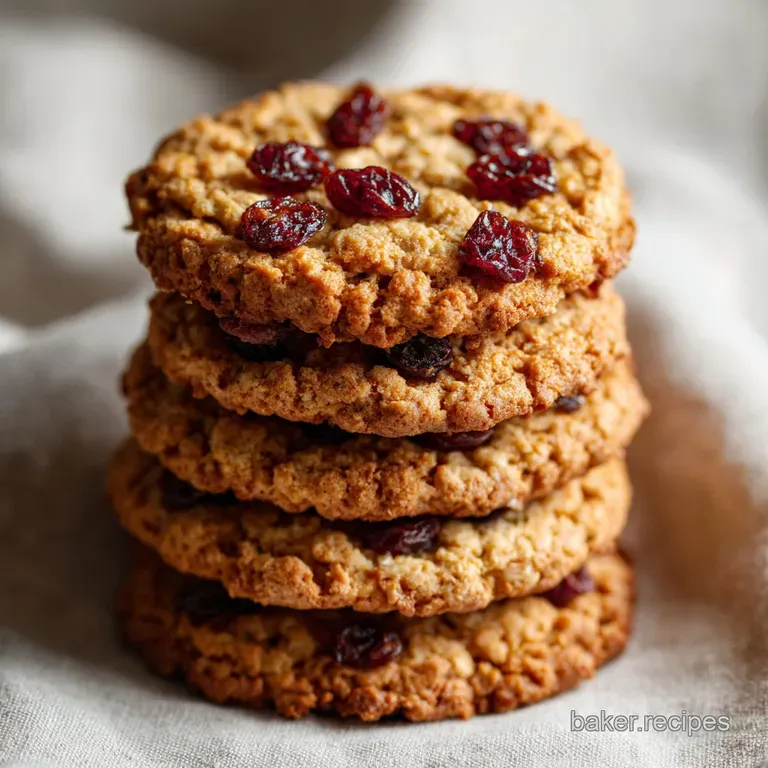
| Issue | Solution |
|---|---|
| Why Your Cookies Spread | If your cookies look like pancakes, your butter was likely too soft or melted. When butter is too warm, it doesn't hold air during the creaming process, causing the dough to collapse in the oven. For |
| Why Your Cookies Are Dry | Dry cookies usually happen because of overbaking. Because these have a high moisture content from the oats and raisins, they look underbaked when they are actually done. If you wait until the center l |
| Why Your Cookies Are Cakey | This is almost always a result of too much flour. If you scoop your flour directly with the measuring cup, you're likely packing it down and adding 20-30g more than needed. Always spoon the flour into |
Customizing Your Batch
One of the best things about this recipe is how flexible it is. Once you have the base down, you can really play around with the mix ins. If you love that toasted oat vibe, you'll definitely dig my hearty oatmeal granola for breakfasts, and you can actually add a handful of that granola into this dough for extra crunch.
For the Mix ins
If you're not a huge fan of raisins, you can swap them for dried cranberries or chopped dried apricots. Just remember to soak them in warm water for 10 minutes exactly like the raisins. For a nutty twist, add 1/2 cup of toasted walnuts or pecans.
The bitterness of the nuts cuts through the sweetness of the brown sugar beautifully.
Adjusting the Sweetness
If you prefer a less sweet cookie, you can reduce the white sugar by about 2 tablespoons. However, be careful not to cut too much, as sugar isn't just for taste, it also helps with the chewiness. If you're looking to reduce sugar in other bakes, you can check out tips on reducing sugar in cookies and bars to see how it affects the texture.
Dietary Tweaks
For a gluten-free version, you can use a 1:1 gluten-free flour blend. Note that the cookies might spread a bit more, so chilling the dough for 30 minutes is a must. You can also use a flax egg if you're avoiding poultry eggs, though the lift will be slightly less impressive.
Scaling Your Recipe
When you're making these for a party, you might need to scale up. But baking isn't always a linear math problem.
Scaling Down (Half Batch): To make 12 cookies, halve everything. Since you can't easily halve an egg, beat one egg in a small bowl and use about 2 tablespoons of the mixture.
Use a smaller baking sheet and reduce the bake time by about 2 minutes, as smaller batches often cook slightly faster.
Scaling Up (Double Batch): When doubling the recipe for 48 cookies, don't just double the salt and cinnamon, as these can become overpowering. Use 1.5x the spices instead of 2x. Work in batches rather than crowding the oven, as too many trays can drop the oven temperature and lead to uneven baking.
If you bake two trays at once, rotate them halfway through.
Baking Adjustments: If you're using a convection oven, lower the temperature by 25°F (to 150°C) and check them 2 minutes early. The circulating air cooks the edges faster, and we want to keep that velvety center intact.
Baking Truths
There are a few things people always say about oatmeal cookies that just aren't true. Let's set the record straight.
Myth: You must chill the dough for 24 hours. While chilling develops flavor, it's not mandatory for this recipe. Because we plump the raisins and use a specific flour ratio, you can bake these immediately and still get a thick, soft result.
Myth: Brown sugar is only for the flavor. Actually, brown sugar is essential for the chemistry. The acidity in the molasses reacts with the baking soda to create the specific lift and chew that white sugar alone can't provide.
Myth: Quick oats are a perfect substitute. They aren't. Quick oats are thinner and absorb moisture faster, which often results in a cookie that feels more like a muffin or a cake than a chewy cookie. Stick to old fashioned rolled oats.
Freshness and Storage Tips
To keep these soft chewy oatmeal raisin cookies from going stale, you need to lock in the moisture. Store them in an airtight container at room temperature for up to 5 days. A pro tip is to put a small slice of white bread in the container with them.
The cookies will absorb the moisture from the bread, keeping them pillowy for longer.
For long term storage, the freezer is your best friend. You can freeze the baked cookies for up to 3 months. Just wrap them individually in parchment paper before putting them in a freezer bag to prevent them from sticking together.
Zero Waste Tips: Don't throw away the raisin soaking water if it's clean! You can add it to a pot of oatmeal or use it as a base for a quick fruit compote. If you have leftover oats, toss them in a pan with a bit of butter and cinnamon to make a quick stovetop granola for your yogurt.
Tasty Pairing Suggestions
These cookies are rich and hearty, so they pair best with drinks that have a bit of a bite or a clean finish.
The Classic Contrast: A cold glass of whole milk is the gold standard here. The creaminess of the milk cuts through the cinnamon and molasses, refreshing your palate between bites.
The Afternoon Tea: If you're feeling fancy, pair these with a strong Earl Grey or a bold English Breakfast tea. The bergamot notes in the tea complement the plump raisins and toasted oats perfectly.
The Coffee Break: A dark roast coffee or a creamy latte is another winner. The bitterness of the coffee balances the sweetness of the brown sugar, making it a great mid morning pick me-up.
Recipe FAQs
What makes oatmeal cookies soft and chewy?
The high ratio of brown sugar and rolled oats. Brown sugar attracts moisture to keep the crumb tender, while the oats provide a hearty, chewy structure.
What's the secret to chewy cookies?
Avoid overbaking them. Remove the pan when edges are golden mahogany but centers remain soft. If you enjoyed mastering this texture, the same timing principle applies to our chewy chocolate chip cookies.
What are some common mistakes when making oatmeal raisin cookies?
Overmixing the flour and using melted butter. Overmixing develops too much gluten, making cookies tough, while melted butter causes the dough to collapse and spread.
Should you soak raisins before baking cookies?
Yes, soak them in warm water. This plumps the raisins so they don't absorb moisture from the dough, which would otherwise leave the cookie dry.
Is it true that you must bake these until the centers are firm?
No, this is a common misconception. Baking until the center is firm results in a dry cookie; they must finish setting on the hot pan for 5 minutes.
Why did my cookies spread too much?
The butter was likely too soft. When butter is too warm, it cannot hold air during the creaming process, causing the cookies to flatten in the oven.
How to store these cookies to keep them soft?
Store them in an airtight container at room temperature. This prevents the oats and raisins from drying out, maintaining that chewy texture.
Soft Chewy Oatmeal Raisin Cookies