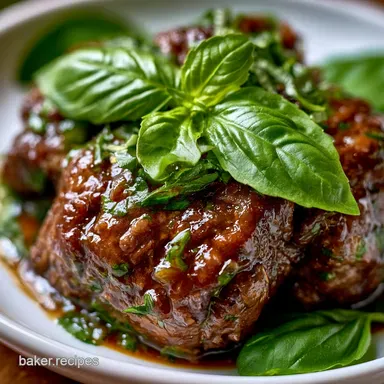
Thai Basil Beef Rolls: Crispy and Savory
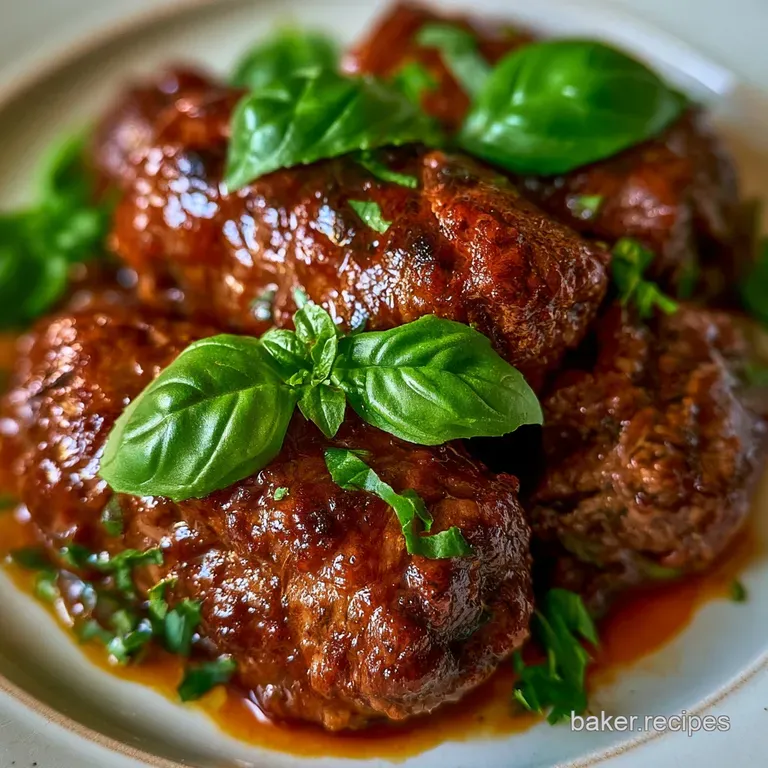
- Time:15 minutes active + 15 minutes cooking = Total 30 minutes
- Flavor/Texture Hook: Shattering golden crust with a velvety, savory beef center
- Perfect for: High impact appetizers or a quick, flavor packed weeknight snack
- The Truth About Thai Basil Beef Rolls
- Why This Texture Works
- Component Deep Dive
- What You Will Need
- Essential Kitchen Tools
- Step By Step Guide
- Fixing Common Roll Issues
- Troubleshooting Common Issues
- Creative Twist Ideas
- Storage and Freezer Tips
- Best Side Dish Pairings
- Critical: Very High in Sodium
- Recipe FAQs
- 📝 Recipe Card
The first time I tried making something like this, I thought I needed to spend three hours shopping at a specialty market just to find the "right" kind of basil and some obscure fermented paste.
I spent way too much money on ingredients I didn't know how to use, only to end up with rolls that were soggy and tasted like boiled beef. I honestly thought authentic Thai flavors were just too complex for my little home kitchen.
But here is the secret: you don't need a culinary degree or a trip to Bangkok to get this right. Once I realized that the magic is actually in a few simple pantry staples like fish sauce and brown sugar, everything changed.
These Thai Basil Beef Rolls are actually surprisingly budget friendly if you know which shortcuts to take and which steps you absolutely cannot skip.
Trust me on this, the goal isn't to make something "fancy". We're going for a snack that's salty, spicy, and has a crust that practically screams when you bite into it. You'll get a hit of fresh basil and the richness of the beef, all wrapped in a shell that stays crispy long after they leave the fryer. Let's crack on.
The Truth About Thai Basil Beef Rolls
There is a common myth that to get a truly authentic taste, you have to use expensive, hard to find proteins or spend hours reducing a sauce. People think you need a high pressure wok and a professional flame to get that specific "char" and depth. Honestly, that's just not true.
You can get those same bold, punchy flavors in a standard skillet as long as you don't crowd the pan.
The real struggle for most home cooks isn't the flavor, it's the moisture. I've seen so many people make the mistake of putting too much sauce in the filling, which turns the wrapper into a wet paper towel the second it hits the oil.
The trick is creating a velvety glaze that clings to the beef rather than a soup that soaks into the wrapper.
When you nail the beef to sauce ratio, these Thai Basil Beef Rolls become one of the easiest things in your repertoire. You're essentially making a simplified version of Pad Krapow and wrapping it up.
It's a smart way to use ground beef, which is usually the most affordable cut, and turn it into something that feels like it came from a high end bistro.
Why This Texture Works
I spent a while wondering why some rolls stay crispy while others go limp. It comes down to a few basic rules of heat and moisture.
- Sugar Caramelization: The brown sugar doesn't just add sweetness, it binds with the soy and fish sauce to create a thick glaze. This prevents the liquid from leaking into the wrapper.
- Basil Timing: We fold the basil in at the very end after the heat is off. This stops the leaves from turning into black mush and keeps those aromatic oils fresh.
- The Egg Seal: Using a beaten egg as "glue" creates a protein bond. This seals the edges tightly so the filling doesn't explode in the oil.
- Structural Crunch: Adding julienned carrots provides a rigid internal skeleton. This prevents the roll from collapsing and adds a fresh snap to every bite.
- Oil Temperature: Frying at exactly 350°F (175°C) ensures the outside shatters while the inside stays juicy. According to Serious Eats, maintaining a consistent oil temp is the only way to avoid greasy, oil soaked food.
| Ingredient State | Shortcut Option | Texture Impact | Time Saved |
|---|---|---|---|
| Fresh Carrots | Pre shredded | Less snap, more moisture | 5 minutes |
| Hand torn Basil | Chopped Basil | Less oil release | 2 minutes |
| Fresh Wrappers | Frozen Wrappers | Slightly tougher fold | 10 minutes |
Component Deep Dive
When you're working with a budget, it's helpful to know exactly what each ingredient is doing. You don't want to waste money on something that doesn't actually change the taste.
| Ingredient | Science Role | Pro Secret |
|---|---|---|
| Ground Beef | Umami Base | Use 80/20 fat ratio for better flavor; check USDA for lean options |
| Fish Sauce | Salt/Funk | The "secret" salt that provides a deep, fermented savory note |
| Thai Basil | Aromatic Punch | Don't chop it too fine or it will bruise and lose flavor |
| Spring Roll Wrappers | Structural Shell | Keep them covered with a damp cloth so they don't crack |
What You Will Need
You don't need a lot of fancy gear for this. If you have a basic pan and a thermometer, you're golden.
For the filling:
- 1 lb ground beefWhy this? Affordable and absorbs the glaze well
- 3 cloves garlic, minced
- 1 tbsp neutral oilWhy this? High smoke point for searing
- 2 tbsp soy sauce
- 1 tbsp fish sauceWhy this? Provides the authentic Thai "funk"
- 1 tsp brown sugarWhy this? Helps the sauce glaze the meat
- 1 tsp sriracha
- 1 cup fresh Thai basil leaves, roughly torn
- 2 stalks green onion, thinly sliced
- 1/2 cup carrots, juliennedWhy this? Adds necessary crunch
For the assembly and fry:
- 12 sheets spring roll wrappers
- 1/2 cup neutral oil for frying
- 1 egg, beatenWhy this? Best adhesive for the wrappers
| Original Ingredient | Substitute | Why It Works |
|---|---|---|
| Thai Basil | Italian Basil | Similar scent but lacks the anise note. Note: Milder overall flavor |
| Fish Sauce | Soy Sauce + Lime | Mimics the salt and acidity. Note: Lacks the fermented depth |
| Ground Beef | Ground Pork | Same fat content, very traditional. Note: Slightly sweeter meat taste |
| Sriracha | Sambal Oelek | Raw chili heat. Note: Less vinegary than sriracha |
Right then, before we get into the heat, make sure your wrappers are at room temperature. If they're too cold, they tend to snap when you fold them, and that's how you end up with a beef filled disaster in your fryer.
Essential Kitchen Tools
Keep it simple. I use a standard 12 inch skillet and a medium pot for the oil.
- Meat Thermometer: Not for the beef, but for the oil. If you guess the temp, you're gambling with your dinner.
- Tongs: Much better than a fork for flipping rolls without piercing the skin.
- Paper Towel Lined Plate: Essential for soaking up excess oil immediately after frying.
- Small Bowl: For the beaten egg seal.
Step by step Guide
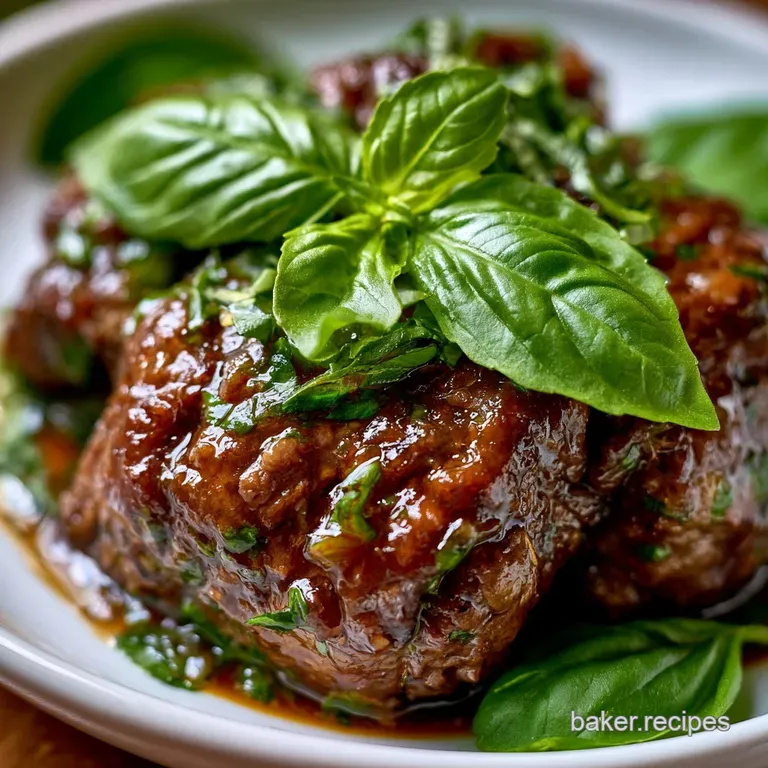
Let's get into it. Follow these steps closely, especially the part about the glaze.
- Heat 1 tablespoon of oil in a skillet over medium high heat. Add the ground beef, breaking it apart with a spatula, and cook until mahogany brown. Stir in minced garlic and sriracha for 60 seconds until fragrant.
- Pour in the soy sauce, fish sauce, and brown sugar. Stir fry for 2-3 minutes until the liquid reduces into a velvety glaze. Note: If it's still watery, keep cooking; the glaze must cling to the beef.
- Remove from heat and fold in Thai basil and sliced green onions. Note: Removing from heat prevents the basil from wilting too much.
- Place a spring roll wrapper on a flat surface. Scoop 2 tablespoons of the beef filling and a few julienned carrot slivers into the center.
- Fold the bottom corner over the filling, tuck in the sides tightly, and roll forward. Note: Tucking the sides is what prevents the filling from leaking out.
- Seal the edge with a dab of beaten egg.
- Heat oil to 350°F (175°C).
- Fry the rolls for 2-3 minutes per side until pale golden brown and hollow sounding.
- Drain on paper towels immediately.
If you're planning to serve these as part of a bigger meal, they go great alongside a Homemade Pho for a full Southeast Asian experience.
Fixing Common Roll Issues
Even the pros have a roll burst occasionally. Usually, it's a simple fix.
Troubleshooting Common Issues
| Issue | Solution |
|---|---|
| Why Your Rolls Burst | This usually happens because you've overfilled the wrapper or didn't tuck the sides tightly enough. When the air inside the roll heats up, it expands. If there's a gap in the seal, it'll find the weak |
| Why Your Wrapper Is Soggy | Sogginess is almost always caused by too much moisture in the filling. If you didn't reduce the sauce enough in Step 2, the liquid will steam the inside of the wrapper instead of frying it. |
| Why Your Rolls Are Greasy | If the oil temperature drops below 350°F, the wrapper starts absorbing the oil instead of searing. This happens if you crowd the pan with too many rolls at once. |
Common Mistakes Checklist:
- ✓ Use exactly 2 tbsp filling per roll
- ✓ Dry the wrapper edges before applying egg
- ✓ Wait for oil to hit 350°F before adding rolls
- ✓ Tuck sides tightly before rolling forward
- ✓ Drain on paper towels immediately
Creative Twist Ideas
Once you've got the base down, you can really mess around with this recipe. Since we're keeping it budget smart, most of these variations use things you already have.
Switching the Protein
Ground turkey or chicken works surprisingly well here. Just keep in mind that leaner meats don't brown as easily. You might need an extra teaspoon of oil to get that mahogany color. If you're feeling fancy, ground pork is the most traditional choice and adds a richer, sweeter depth.
Amping Up the Heat
If sriracha isn't enough for you, add a teaspoon of dried chili flakes to the beef while it's browning. For a real kick, serve these with a side of fresh bird's eye chilies and a splash of lime juice.
Going gluten-free
You can find gluten-free spring roll wrappers made from rice flour. They behave a bit differently- they're more prone to tearing, so be extra gentle with the folding. Replace the soy sauce with tamari or coconut aminos to keep it fully GF.
Adding a Creamy Element
While the rolls are savory, you can add a small strip of mozzarella or cream cheese inside each roll. It sounds weird, but the creamy melt against the spicy beef is a winner. For a dipping sauce that really pops, you've gotta try my Thai Satay Sauce recipe.
Storage and Freezer Tips
These Thai Basil Beef Rolls are great fresh, but they're actually a fantastic meal prep option if you know how to handle them.
Fridge Storage Store cooked rolls in an airtight container for up to 3 days. However, they will lose their shatter crisp texture in the fridge. Don't microwave them, or you'll end up with rubbery wrappers.
Freezing Instructions You can freeze these in two ways. You can freeze them raw (after rolling but before frying) or freeze them fully cooked. I prefer freezing them raw. Place them on a baking sheet and freeze until solid, then transfer them to a freezer bag. They'll stay good for up to 2 months.
Reheating for Maximum Crunch To bring back that shatter, use an air fryer or oven. - Air Fryer: 375°F for 5-7 minutes. - Oven: 400°F for 10 minutes on a wire rack.
This pulls the moisture out and crisps the oil in the wrapper back up.
Zero Waste Tip If you have leftover julienned carrots or green onions, toss them into a quick slaw with rice vinegar and a pinch of sugar. It's the perfect bright side to cut through the richness of the beef.
Best Side Dish Pairings
Since these are quite rich and salty, you want something fresh and acidic to balance the plate.
Smashed Cucumber Salad A simple mix of cucumber, rice vinegar, sesame oil, and a pinch of sugar. The coolness of the cucumber offsets the heat of the sriracha.
Steamed Bok Choy Quickly steam some bok choy with a drizzle of sesame oil and garlic. It keeps the meal feeling light and adds some much needed greens.
Sweet Chili Dipping Sauce While the beef is flavorful on its own, a dip of sweet chili sauce mixed with a squeeze of lime is a total game changer.
Decision Shortcut:
- If you want a light meal, pair with a cucumber salad.
- If you want a feast, serve with steamed bok choy and satay sauce.
- If you're serving a crowd, put out a platter of lime wedges and sriracha.
Right then, you've got everything you need to make these Thai Basil Beef Rolls. Just remember: don't overfill the wrappers, keep your oil hot, and don't be afraid of the fish sauce. Trust the process, and you'll have a snack that tastes like it took hours, but only took 30 minutes. Happy cooking!
Critical: Very High in Sodium
1240 mg 1240 mg of sodium per serving (54% 54% of daily value)
The American Heart Association recommends a daily limit of no more than 2,300 mg, with an ideal limit of 1,500 mg for most adults to reduce cardiovascular risk.
Personalized Sodium Reduction Tips
-
Swap Soy Sauce-30%
Replace regular soy sauce with low-sodium soy sauce or coconut aminos to significantly reduce the salt content.
-
Modify Fish Sauce-20%
Substitute the fish sauce with fresh lime juice and a pinch of sugar, or use a reduced sodium fish sauce alternative.
-
Fresh Heat-10%
Swap sriracha for freshly sliced red chilies to get the same spice level without the processed sodium.
-
Check Wrappers-5%
Look for low-sodium spring roll wrappers or make them from scratch using flour and water.
-
Boost Aromatics
Increase the amount of fresh Thai basil, garlic, and green onions to enhance the flavor profile naturally.
Recipe FAQs
What cut of beef is best for Thai basil beef rolls?
Use ground beef. It ensures the filling is easy to scoop and integrates perfectly with the velvety glaze.
What kind of dough is best for beef rolls?
Spring roll wrappers are the best choice. They provide the specific shatter crisp texture required when fried at 350°F.
Is Thai basil beef healthy?
It is a calorie dense meal. At 610 kcal per serving, it provides significant protein but is deep fried, making it more of an indulgence.
How to make Thai beef basil?
Brown ground beef in oil over medium high heat. Stir in garlic and sriracha, then simmer with soy sauce, fish sauce, and brown sugar until a velvety glaze forms.
Why are my beef rolls bursting during frying?
You likely overfilled the wrapper or didn't tuck the sides tightly. Air expands when heated, and any gap in the seal will cause the roll to burst.
Why is the wrapper soggy?
The filling contains too much moisture. If the sauce wasn't reduced enough during the stir fry step, the liquid steams the wrapper from the inside.
Can I freeze these rolls before frying?
Yes, you can freeze them raw. Place rolled beef on a baking sheet and freeze until solid before transferring to a bag. If you enjoy prepping ground meat in batches, see how we apply similar logic in our beef vegetable soup.
Thai Basil Beef Rolls