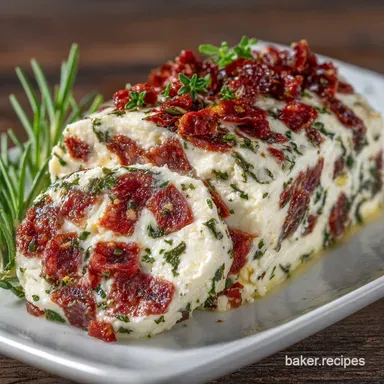
Festive Holiday Antipasto Cream Cheese Log
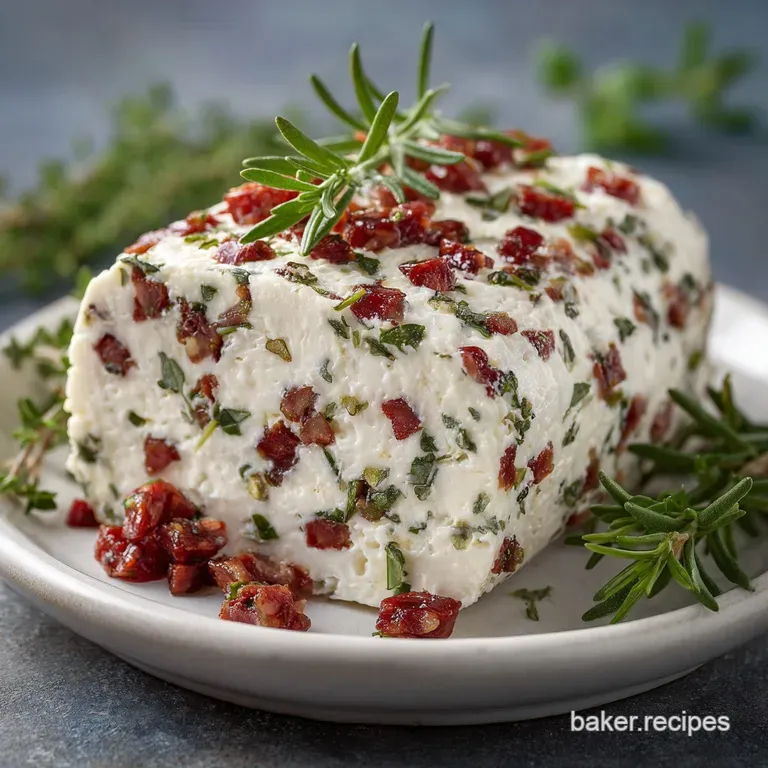
- Time: 20 min active + 2 hr chilling = 2 hours 20 mins
- Flavor/Texture Hook: Velvety cream cheese with salty, briny pops of flavor
- Perfect for: Holiday parties, game night, or a beginner friendly appetizer
The sharp, briny scent of capers hitting the air, the bright red of roasted peppers, and that satisfying "thwack" when a chilled log hits the platter. I remember one Christmas where I tried to build a massive, traditional antipasto platter, but I completely underestimated my table space.
It was a disaster of sliding olives and rolling salami. In a panic, I just dumped everything into a bowl of softened cream cheese, rolled it up, and popped it in the fridge.
It turned out to be the hit of the night because people could just grab a cracker and a slice without fighting over the olives. That's how I realized that a festive holiday antipasto cream cheese log is actually superior to a platter.
It's contained, it's easy to eat, and it looks like you spent way more time on it than you actually did.
Trust me on this, the secret is in the prep. You want those mix ins diced tiny so every single bite has a bit of everything. It's a budget friendly way to make your appetizer table look expensive without breaking the bank on fancy platters. Let's crack on and get this ready.
Festive holiday antipasto cream cheese log
Right then, let's talk about why this actually works. You aren't just mixing things together; you're creating a stable emulsion of fats and solids. If you've ever had a cheese log that turned into a puddle the moment it hit the room, you know that structural integrity is everything.
Fat Stability: Full fat cream cheese provides the necessary structure to hold heavy mix ins like salami and olives without collapsing under its own weight.
Moisture Control: Draining the roasted red peppers and capers thoroughly prevents the log from becoming "weepy" or watery, which would ruin the coating.
Coating Adhesion: Chilling the log creates a firm, cold surface that allows the paprika and parmesan to stick instead of sliding off.
Acid Balance: The lemon juice cuts through the heavy richness of the cheese and the saltiness of the cured meats, brightening the whole profile.
| Crowd Size | Logs Needed | Total Servings | Prep Effort |
|---|---|---|---|
| Small (1-12 people) | 1 Log | 12 | Low |
| Medium (13-24 people) | 2 Logs | 24 | Moderate |
| Large (25-36 people) | 3 Logs | 36 | Moderate |
| Party (37-60 people) | 5 Logs | 60 | High |
Ingredient Deep Dive
When you're working with a base as neutral as cream cheese, the quality of your mix ins does the heavy lifting. I've found that using a mix of salty, acidic, and earthy flavors is what makes this feel like a real Italian starter rather than just a dip.
| Ingredient | Science Role | Pro Secret |
|---|---|---|
| Full fat Cream Cheese | Structural Base | Let it reach room temp for a velvety texture |
| Hard Salami | Salt/Texture | Dice into tiny 1/8 inch cubes for even distribution |
| Parmesan Cheese | Umami/Body | Use finely grated to ensure it blends seamlessly |
| Lemon Juice | Acidity | Freshly squeezed is always better than bottled |
What You'll Need
For the base, keep it simple. Don't bother with low-fat options here; they have too much water and won't hold the shape. If you're on a budget, store brand cream cheese works just as well as the name brands as long as it's the full fat block.
For the Creamy Base
- 8 oz (225g) full fat cream cheese, softenedWhy this? Essential for a firm, sliceable structure
- 2 tbsp (23g) grated Parmesan cheeseWhy this? Adds a sharp, salty depth to the base
- 1 tsp (5g) dried Italian seasoningWhy this? Provides a consistent herbal background
- 1/2 tsp (3g) garlic powderWhy this? Distributes garlic flavor without raw chunks
- 1 tbsp (15ml) lemon juiceWhy this? Cuts the richness of the fat
For the Antipasto Mix ins
- 4 oz (115g) hard salami, finely dicedWhy this? Adds a chewy, salty contrast
- 1/4 cup (35g) pitted green olives, finely choppedWhy this? Briny pops of flavor
- 1/4 cup (40g) roasted red peppers, drained and dicedWhy this? Sweetness and bright color
- 2 tbsp (20g) capers, drainedWhy this? Intense saltiness and zing
- 2 tbsp (10g) fresh parsley, mincedWhy this? Freshness and color
For the Festive Coating
- 3 tbsp (10g) fresh parsley, mincedWhy this? Visual appeal and herbal finish
- 1 tbsp (8g) smoked paprikaWhy this? Earthy color and subtle smokiness
- 1 tbsp (11g) grated Parmesan cheeseWhy this? Adds a final layer of savory salt
| Original Ingredient | Substitute | Why It Works |
|---|---|---|
| Hard Salami | Pepperoni | Similar salt profile. Note: Slightly spicier, more oil |
| Green Olives | Kalamata Olives | Stronger, fruitier flavor. Note: Darker color throughout |
| Roasted Red Peppers | Pimentos | Milder sweetness. Note: Softer texture, less "char" |
| Cream Cheese | Neufchâtel | Lower fat content. Note: Slightly tangier, slightly softer |
Honestly, if you're looking for something sweet to serve alongside this, my classic no bake cheesecake is a great contrast. One is salty and briny, the other is creamy and sweet. It's a winning combo for any holiday spread.
Necessary Gear
You don't need a fancy kitchen for this. A large mixing bowl, a rubber spatula, and some plastic wrap are the core tools. If you have a stand mixer such as KitchenAid, you can use it to soften the cream cheese faster, but doing it by hand is actually better for folding in the mix ins so you don't over process them into a paste.
Avoid using a food processor for the final mix. You want distinct pieces of salami and olives, not a pink slurry. A sharp chef's knife is your best friend here for those tiny, precise dices.
Key Steps
Follow these exactly to ensure your log doesn't slump. The timing on the chilling is the most important part.
- Prepare the base. In a large mixing bowl, combine the softened cream cheese, 2 tablespoons of grated Parmesan, Italian seasoning, garlic powder, and lemon juice. Fold together until the mixture is smooth and uniform in color.
- Incorporate mix ins. Gently stir in the diced salami, chopped olives, roasted red peppers, capers, and 2 tablespoons of minced parsley. Fold slowly until ingredients are evenly distributed. Note: Don't overmix or the peppers will bleed color into the cheese.
- Prepare for rolling. Spoon the mixture onto a 12-15 inch sheet of plastic wrap.
- Shape the log. Roll the cheese into a tight cylinder, twisting the ends to seal it like a candy wrapper. Ensure there are no air pockets.
- Chill. Place the wrapped log in the refrigerator for at least 2 hours until firm to the touch.
- Prepare coating. On a flat plate, mix the remaining parsley, smoked paprika, and 1 tablespoon of Parmesan cheese.
- Unwrap. Gently remove the plastic wrap from the chilled log.
- Finish the log. Roll the log in the coating, pressing lightly until the spices adhere to all sides.
Fixing Common Problems
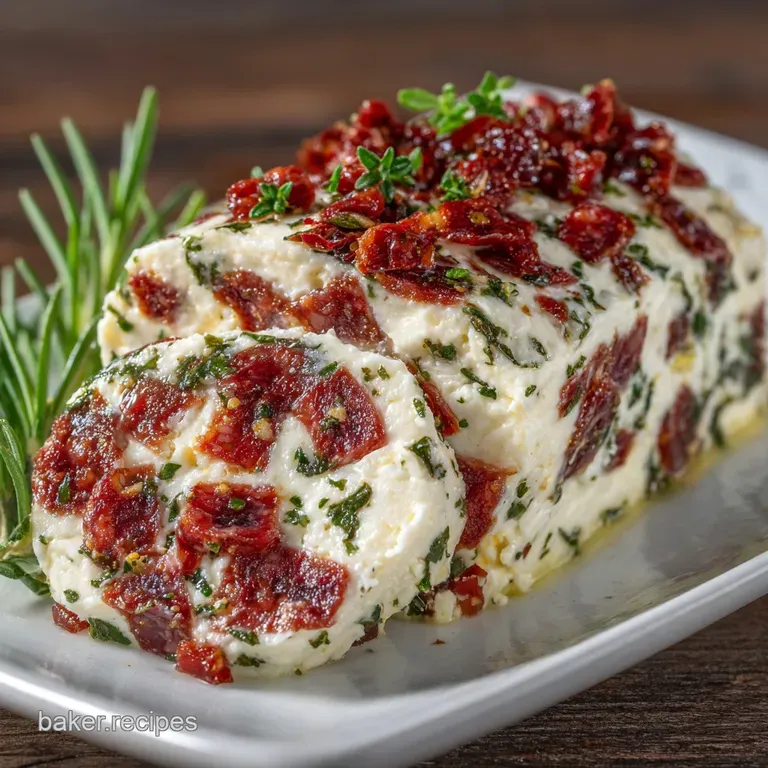
The most common issue I see with this recipe is a log that's too soft to slice. This usually happens because the cream cheese wasn't cold enough when it was rolled, or the chilling time was cut short. If it's too soft, don't panic just pop it back in the fridge for another 30 minutes.
Troubleshooting Common Issues
| Issue | Solution |
|---|---|
| Why your log is too soft | If the log feels like a dip rather than a log, it's usually due to temperature. Ensure your fridge is set to a standard cold temperature and that you didn't use a low-fat cream cheese substitute. Low- |
| Why the coating is sliding off | This happens when you try to coat the log while it's still slightly warm or if the cheese is too "weepy." Make sure your roasted peppers are patted dry with a paper towel before adding them. A bone co |
| Why the flavor is muted | Cured meats and olives vary in saltiness. If the log tastes flat, it's likely lacking acid. While you can't add lemon juice once it's rolled, you can serve it with a side of cornichons or a drizzle of |
Common Mistakes Checklist
- ✓ Drained and patted dry all brine heavy ingredients.
- ✓ Used full fat, block style cream cheese.
- ✓ Twisted plastic wrap tightly to remove air.
- ✓ Chilled for the full 2 hours without interruption.
- ✓ Diced mix ins into small, uniform pieces.
Dietary Adaptations
Making this work for everyone at the party is easy. Because it's a cold assembly, you can swap ingredients without worrying about cooking times or temperature changes.
Making it vegetarian
To remove the meat, swap the hard salami for sun dried tomatoes or marinated artichoke hearts. Both provide a similar chew and a salty, savory punch. I've tried this version, and it's honestly just as good, if not better, for those who don't eat meat.
Gluten-free options
This recipe is naturally gluten-free as long as your salami and Parmesan are certified. The real issue is the crackers. Pair this with cucumber slices, bell pepper strips, or certified GF crackers to keep it safe for everyone.
Dairy-free alternatives
You can use a vegan cream cheese base, but be warned: they are often softer than dairy versions. According to guidelines on food stability from Serious Eats, fat structure is key to holding shape. To compensate, you might need to add a tablespoon of thickened cashew cream or chill the log for 4 hours instead of 2.
Scaling the Batch
If you're feeding a huge crowd, you can easily scale this up. However, don't just multiply everything blindly.
Scaling Down (1/2 batch) Use a smaller piece of plastic wrap (about 6-8 inches). Reduce the chilling time slightly, though 90 minutes is still recommended.
Since you'll be using 4 oz of cream cheese, make sure to beat one egg and use half if you were adding binders (though we don't need them here).
Scaling Up (2x-4x batch) When doubling or tripling, increase the salt and spices to only 1.5x initially. Taste the mixture before rolling. Liquids like lemon juice can become overpowering if multiplied exactly.
I recommend working in batches of two logs rather than one giant log, as a massive log is harder to chill evenly in the center.
| Method | Time | Texture | Best For |
|---|---|---|---|
| Hand Mixed | 20 min | Chunky/Rustic | Home parties, authentic feel |
| Food Processor | 10 min | Smooth/Paste | Fast prep, kids who hate "bits" |
If you're prepping a full holiday menu, don't forget the desserts. I usually pair this salty appetizer with my classic cut out Christmas cookies for a balanced spread.
Common Cheese Log Myths
Myth: low-fat cream cheese is a great substitute. Truth: It's not. low-fat cheese has more moisture and less structural fat. Your festive holiday antipasto cream cheese log will likely slump or leak water, making the coating fall off.
Myth: You must use a food processor for a smooth base. Truth: Hand mixing with a rubber spatula is actually preferred. It allows you to control the distribution of the salami and olives, ensuring you don't pulverize the textures into a mush.
Myth: Searing the salami first adds more flavor. Truth: While browning meat adds flavor, it introduces extra oil that can break the cream cheese emulsion. Keeping the salami raw and cured maintains the clean, sharp taste of a traditional antipasto.
Storage and Freshness
Store your finished log in the fridge, wrapped tightly in plastic wrap or placed in an airtight container. It will stay fresh and flavorful for 3 to 5 days.
Freezing Guidelines You can freeze the log before the final coating step. Wrap it in plastic and then foil; it'll last about 2 months. Thaw it slowly in the fridge overnight.
Note that the texture may become slightly more grainy after freezing, so I recommend adding a fresh coating of parsley and paprika after it thaws.
Zero Waste Tips Don't toss the brine from your olives or capers. Use it as a base for a quick vinaigrette for a side salad. Also, any leftover roasted red peppers can be blended into a quick hummus or added to an omelet the next morning.
Best Serving Ideas
Presentation is everything. I like to place the log on a wooden board and surround it with a handful of fresh grapes and some walnuts. The sweetness of the fruit cuts through the salt of the antipasto.
For the best experience, let the log sit at room temperature for about 10-15 minutes before slicing. This softens the fats just enough to make the slices velvety rather than stiff, but keeps it firm enough to hold its shape.
Use a warm, sharp knife for the cleanest cuts dip the blade in hot water and wipe it clean between each slice.
Recipe FAQs
How far ahead can I prep antipasto?
Up to 2 months if frozen. Wrap the uncoated log in plastic and foil for long term storage. Thaw overnight in the fridge and add a fresh coating before serving.
What is the best cheese for antipasto?
Full fat cream cheese. This provides the essential structure to keep the log firm. low-fat alternatives often result in a soft, dip-like consistency.
How long can cream cheese sit unrefrigerated?
No more than 2 hours. Perishable dairy must be kept chilled to remain safe for consumption. Serve the log immediately after removing it from the refrigerator.
How far ahead can you make a cheese log?
3 to 5 days in advance. Store the finished log in an airtight container in the refrigerator. This allows the flavors to meld while remaining fresh.
How to prevent the coating from sliding off?
Pat roasted red peppers dry with a paper towel. Removing excess moisture prevents the cheese from becoming weepy. Ensure the log is chilled for at least 2 hours before coating.
Is it true that I can use low-fat cream cheese without affecting the shape?
No, this is a common misconception. low-fat substitutes lack the necessary fats to hold a cylindrical form, making the appetizer too soft to slice.
How to serve this antipasto log?
Arrange the chilled log on a platter. For a balanced holiday spread, pair this savory appetizer with a sweet treat like our creamy potluck classic.
Festive Antipasto Cheese Log