Orange Cookies: Zesty Glazed Shortbread Recipe
- Mastering the Art of Citrus Baking: Why These Orange Cookies Shine
- The Science of Softness: How We Achieve Perfect Orange Shortbread Texture
- Essential Components for Glazed Orange Cookies: Ingredients and Flavor Notes
- The Method: Step-by-Step Guide to Baking Zesty Orange Shortbread
- Expert Tips and Troubleshooting: Ensuring Your Orange Cookies Are Perfect
- Shelf Life and Preservation: Storing Baked Orange Cookies and Dough
- Perfect Pairings: What to Serve With Your Zesty Shortbread
- Recipe FAQs
- 📝 Recipe Card
Mastering the Art of Citrus Baking: Why These Orange Cookies Shine
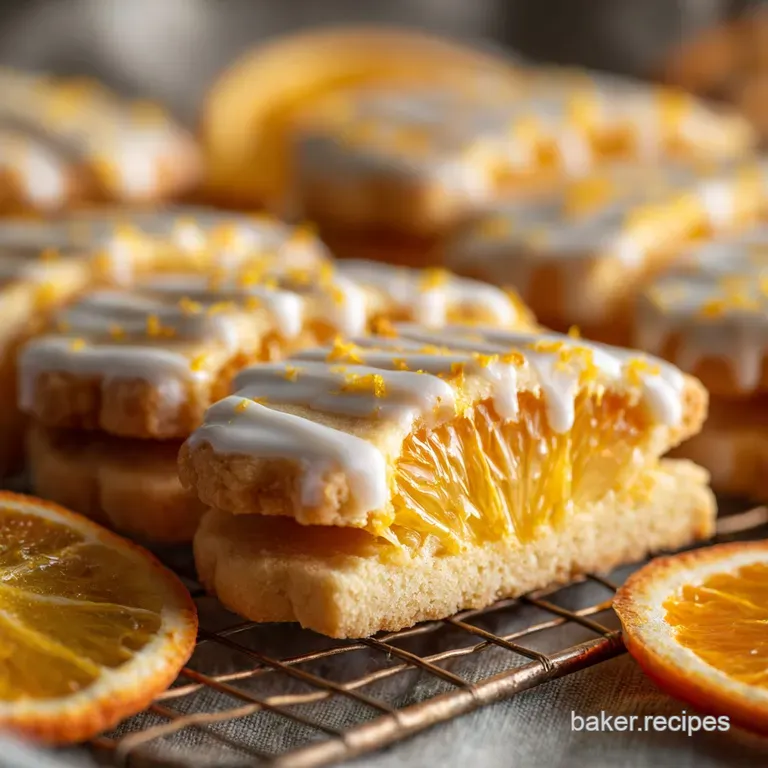
If you need a hug in cookie form, stop scrolling right now. The moment these incredible Orange Cookies emerge from the oven, your kitchen is instantly transformed into a Mediterranean grove it’s pure sunshine bottled up and ready to eat.
The aroma alone is worth the price of admission, a sharp, zesty perfume that promises something magical, far beyond your average sugar cookie.
I know what you're thinking: another shortbread recipe? Nope, these are different. These Glazed Orange Cookies are a total lifesaver because the dough is unbelievably sturdy, freezer friendly, and comes together faster than you can find your zester.
It's the perfect pick-me-up for a dull Tuesday afternoon or an elegant addition to a holiday platter, especially if you need something citrusy alongside those heavier chocolate treats.
We aren't messing around with complex techniques here, but we are being strategic. We're going to dive into the small, crucial details that elevate this simple shortbread from good to absolute game changing perfection, ensuring you get tender, melt-in-your mouth Orange Zest Cookies every single time.
Let's crack on and make the best batch of Soft Orange Cookies you’ve ever had.
The Science of Softness: How We Achieve Perfect Orange Shortbread Texture
The true secret to any great shortbread, and especially these Orange Cookies , lies not just in the ingredients, but in the methodology. We aren’t using a ton of leavening agents; we rely on fat and technique to create that perfect crumb.
Defining the Signature Taste: Shortbread vs. Drop Cookies
Traditional drop cookies (like my famous Banana Chocolate Chip Cookies: Ultimate Chewy Recipe ) use chemical leaveners like baking soda and often include melted butter, resulting in a chewiness and spread. We are aiming for the opposite here: tender, melt-in-your mouth elegance. Shortbread uses a high ratio of butter to flour and requires chilling. It means your cookie holds its shape beautifully and achieves that signature sandy, almost fragile texture that defines true quality shortbread.
The Secret Ingredient: Maxing Out Fresh Orange Zest
Stop reaching for orange extract; it tastes fake and synthetic, seriously. The glorious, intense flavor of these Easy Orange Cookies comes 100% from fresh zest. The crucial part of the process is rubbing the zest directly into the sugar before adding the cold butter.
This physical action ruptures the oil sacs in the zest, releasing those fragrant essential oils, which are immediately absorbed by the sugar crystals. This process supercharges the flavor profile, making your final Orange Cookies intensely aromatic.
Tools of the Trade: Equipment Checklist for Success
You don't need a fancy pastry kitchen, but a couple of items make this recipe foolproof. A Microplane zester is non-negotiable; it creates fluffy, fine zest without scraping the bitter white pith underneath. I promise, if you’re still using a box grater, you’re making your life unnecessarily hard.
Also, use parchment paper or silicone mats; nothing is worse than having beautiful shortbread break when peeling it off a sticky pan.
The Role of Powdered Sugar vs. Granulated
We use granulated sugar in the dough because the crystals help with the critical step of infusing the orange oils. However, the glaze demands sifted confectioners' (powdered) sugar.
Powdered sugar contains a small amount of cornstarch, which is essential for stabilizing the glaze and ensuring it dries hard and shiny, preventing your finished Glazed Orange Cookies from sticking to each other in the storage container.
Why Chilling the Dough is Non-Negotiable
Chilling isn't just about making the dough easier to handle, though it certainly helps. Chilling allows the gluten structure you developed during mixing to relax, resulting in a more tender cookie. Crucially, chilling also ensures the butter firms up completely.
Cold butter melts slowly in the oven, meaning less spread and thicker, more uniform Orange Cookies . If you skip chilling, you will get flat pancakes.
The "Rubbing" Technique: Infusing Zest Directly into Sugar
I learned this trick years ago while trying to perfect my shortbread, and it applies to everything from lemon bars to these specific Orange Cookies . Place the sugar and zest in a bowl, then use your fingertips to vigorously rub the two together until the sugar looks damp and smells incredibly fragrant.
This step must be done before the butter is added; it truly is the key to achieving maximum citrus flavor saturation.
Essential Components for Glazed Orange Cookies: Ingredients and Flavor Notes
We need simple, high-quality ingredients for these beautiful Orange Sugar Cookies . Since there are so few components, every single one matters immensely.
Selecting the Right Butter for Richness
Always, always use unsalted butter. It gives you control over the final salt content, which is important for balancing the sweetness and the zest. Since shortbread relies heavily on the fat for texture, choose a high-quality brand if possible.
Higher butterfat content translates directly to a better, richer flavor and flakier texture in your Best Orange Cookies .
Chef's Note: Use cold butter cut into small cubes. This helps the creaming process create those air pockets needed for a light crumb structure.
| Ingredient | Role in Recipe | Viable Substitution |
|---|---|---|
| Unsalted Butter | Structure, flavor, tenderness | high-quality vegan butter sticks (1:1) |
| Large Egg Yolks | Richness, binding, color | 1 whole large egg (if necessary, texture will be slightly chewier) |
| All-Purpose Flour | Base structure | Measure for-measure GF blend |
| Granulated Sugar | Sweetness, flavor infusion | Coconut sugar (cookies will be darker) |
Detailed Notes on Flour Types (All-Purpose vs. Cake Flour)
I stick with standard all-purpose flour here, but make sure you spoon and level it; packing flour into the measuring cup is the number one cause of dry, crumbly dough. If you want an ultra tender result, you can substitute up to 1/3 cup of the AP flour with cake flour, which has a lower protein content.
This technique reduces gluten development, resulting in delicate, fragile Orange Cookies .
The Best Oranges for Baking (Navel vs. Cara Cara)
For pure flavor intensity and a beautiful orange hue, I love using Navel oranges. Cara Cara oranges are also fantastic because they tend to be slightly sweeter and less acidic, lending a subtle floral note. Avoid thin skinned, seedy oranges.
Remember, you need at least two large oranges to get enough zest and juice for the dough and the glaze for these delicious Orange Cookies .
Substitutions for Dairy and gluten-free Alternatives
It’s completely possible to make magnificent Vegan Orange Cookies ! Simply swap the unsalted butter for a high-quality vegan butter block (like Miyoko's or Earth Balance sticks).
You'll need to replace the egg yolks too; use 1 tablespoon of flaxseed meal mixed with 3 tablespoons of water, allowing it to sit until gelatinous. For gluten-free shortbread, use a 1:1 gluten-free baking blend that includes xanthan gum.
The Method: step-by-step Guide to Baking Zesty Orange Shortbread

Let's move from theory to practice and get these gorgeous Orange Cookies in the oven.
Phase 1: Preparing the Flavor Base (Zest Rub)
- Prep the Dry: Whisk the flour, baking powder, and salt together in a bowl. Set aside.
- Zest Infusion: Place the granulated sugar in your mixer bowl. Add the 2 tablespoons of fresh orange zest. Use your fingers to rub the zest into the sugar vigorously for about 60 seconds until the sugar is fragrant and slightly sandy. This is critical for robust Orange Cookies flavor!
- Creaming: Add the cold, cubed butter to the zested sugar. Cream on medium speed using the paddle attachment for 3 to 4 minutes. Stop often to scrape down the bowl. You are looking for light, fluffy, and visibly increased volume.
Phase 2: Mixing the Dough (Avoiding Overworking)
- Wet Ingredients: Beat in the egg yolks one at a time, mixing until just incorporated. Scrape the bowl again. Add the vanilla extract and 1 tablespoon of orange juice.
- Add Dry: Reduce the mixer speed to low. Gradually add the flour mixture. Mix only until the flour streaks disappear no longer. Overmixing develops gluten, and that guarantees tough, dry cookies.
Phase 3: Shaping, Cutting, and Cooling the Shortbread
- Chill Time: Form the dough into a thick disc (or two logs, if slicing). Wrap tightly in plastic wrap and refrigerate for a minimum of 30 minutes, or up to 2 days. I usually use this time to quickly whip up a batch of Christmas Snacks: Easy Cranberry Orange Pinwheels Recipe while the oven preheats.
- Bake Prep: Preheat your oven to 350°F (175°C). Line baking sheets with parchment.
- Scoop & Bake: Scoop the dough using a small cookie scoop or roll it into 1 inch balls. Place them 2 inches apart. Bake for 12– 14 minutes, rotating the pan halfway. They should be set around the edges but still look pale in the center.
Phase 4: Crafting the Intense Orange Glaze
- Cooling: Let the baked Orange Cookies cool on the pan for 5 minutes before transferring them gently to a wire rack to cool completely. They must be totally cool before glazing, or the glaze will melt right off.
- Glaze Mixing: Sift the confectioners' sugar into a small bowl. Gradually whisk in 3 to 4 tablespoons of fresh orange juice until you achieve a thick, pourable consistency. If it's too thin, add more sugar. If it's too thick, a tiny splash more juice.
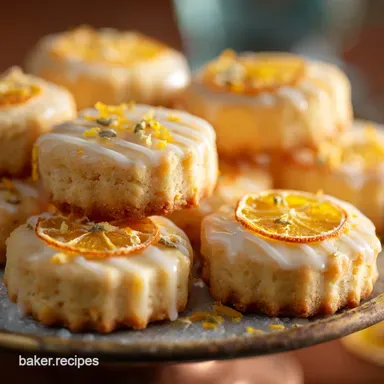
- Finishing Touch: Dip the tops of the completely cooled cookies into the glaze, or drizzle artistically using a fork. Allow the glaze to set for about 15 minutes before serving. These Glazed Orange Cookies truly shine once the coating hardens.
Expert Tips and Troubleshooting: Ensuring Your Orange Cookies Are Perfect
I’ve made every mistake in the book, so you don't have to. Here are the common pitfalls I’ve encountered when baking these Orange Cookies .
Preventing Dough Spread in the Oven
If your dough is spreading excessively, there are three common culprits. First, your butter might have been too warm during the creaming stage. Second, you didn't chill the dough long enough. Third, your oven temperature might be slightly inaccurate use an oven thermometer!
If you notice excessive spreading halfway through baking, quickly open the oven, remove the sheet, let it cool for 5 minutes (the butter will slightly solidify), and then finish baking.
The Key to Even, Golden Brown Edges
To ensure even baking, always rotate your baking sheet halfway through the cooking time. Ovens are notorious for having hot spots. Also, make sure you are placing the scooped dough balls or cut-outs onto cold baking sheets.
If you put fresh dough onto a hot sheet, the butter melts instantly, causing immediate spreading.
Fixing a Crumbly or Sticky Dough Texture
If your dough feels too crumbly after mixing, chances are you measured too much flour. Try adding the last teaspoon of the reserved orange juice (if you didn't use it all) or a teaspoon of milk until the dough comes together. If the dough is sticky, you likely measured too little flour or your butter was too soft.
The quick fix? Add a tablespoon of flour and chill for an extra 15 minutes. This fixes virtually all texture issues when making Easy Orange Cookies .
How to Glaze for Maximum Visual Appeal
If you want a thick, opaque glaze, ensure the sugar is sifted and you use slightly less juice. For a delicate drizzle, use a little more juice so the glaze is looser. Always glaze the Orange Cookies only when they are stone cold. Warm cookies dissolve the glaze, leaving a sad, messy puddle.
Shelf Life and Preservation: Storing Baked Orange Cookies and Dough
One of the great things about this recipe is how wonderfully these shortbread style Orange Cookies store, allowing you to prep ahead for a party or just stockpile for emergencies.
Airtight Storage for Maximum Freshness
Once the glaze is fully set (this usually takes about an hour), transfer the cookies to an airtight container. They keep beautifully at room temperature for up to 5 days. Layer them between sheets of parchment paper if you have to stack them, just to protect that beautiful glaze.
If you store them in the refrigerator, the glaze might sweat slightly, but the Best Orange Cookies will still taste delicious for up to 7 days.
Freezing Unbaked Dough Logs for Future Use
This is my favorite life hack. Form the chilled dough into a tight log (about 2 inches in diameter). Wrap it extremely tightly in plastic wrap, and then wrap it again in foil or place it in a freezer bag. Label it "Slice and Bake Orange Cookies " with the date.
Frozen dough keeps well for up to three months. When ready to bake, thaw the log for about 15 minutes at room temperature, slice into 1/4 inch thick rounds, and bake as directed, adding about 2 minutes to the bake time.
Perfect Pairings: What to Serve With Your Zesty Shortbread
These vibrant Orange Zest Cookies are amazing on their own, but they play well with others too.
I love pairing the bright citrus flavor with rich, dark chocolate elements. If you want a fun, festive dessert presentation, crumble a few of these over a scoop of vanilla ice cream, or serve them alongside a small dish of Easy Christmas Desserts: Speedy Cranberry Orange Trifle — the contrast in textures is divine.
For a drink pairing, nothing beats a strong, hot cup of English breakfast tea in the afternoon. If you’re feeling extra, a glass of sparkling Prosecco or Cava elevates these elegant Glazed Orange Cookies to cocktail party status.
You could even swap the glaze for a dark chocolate dip to create Chocolate Orange Cookies if you're feeling adventurous!
Remember, whether you drizzle them simply or dip them completely, these Orange Cookies are guaranteed to brighten any day. Seriously, go make them now. You won't regret it.

Recipe FAQs
Why are my cookies dry, crumbly, or not holding their shape?
This is typically due to over measuring the flour or not chilling the dough sufficiently. Ensure you scoop and level your flour properly using the spoon and-sweep method, not scooping directly from the bag.
Shortbread relies heavily on cold butter and structure; inadequate chilling causes the butter to melt too quickly during baking, leading to excessive spread and dryness.
How can I intensify the fresh orange flavour even further?
The best method is to use the “sugar zest rubbing” technique mentioned in the recipe, which releases the essential oils directly into the fat. For an extra aromatic punch, you can also brush the warm, freshly baked cookies with a small amount of orange liqueur (like Cointreau) before applying the glaze.
Alternatively, steep a teaspoon of dried orange peel powder into the butter before creaming.
Can I freeze the orange cookie dough or the baked cookies?
Yes, both freeze exceptionally well. For the dough, roll it into a log, wrap it tightly in plastic wrap and then foil, and freeze for up to three months. Baked cookies can be frozen for up to one month, but they should be fully thawed and then glazed after thawing for the best texture and appearance.
My shortbread dough seems too sticky to roll. What should I do?
If the dough is too soft to handle, the butter is likely too warm, often caused by overmixing or a warm kitchen environment. Wrap the dough tightly and refrigerate it for at least 30 to 45 minutes until it is firm but still pliable enough to roll out.
If necessary, lightly dust your work surface and rolling pin with a minimal amount of extra flour before continuing.
Can I substitute a different citrus fruit, like lemon or grapefruit?
Absolutely; this recipe is adaptable to various citrus flavors, such as lemon, lime, or even tangerine. Be mindful of the acidity of the juice you use for the glaze, as some, like lime, will require less juice to achieve the correct consistency.
Remember that the aroma and oil content will vary, slightly changing the final flavour profile.
My powdered sugar glaze is either too thick or too runny. How do I fix it?
The key to a perfect glaze is to add the liquid (orange juice) very slowly, usually a quarter teaspoon at a time. If the glaze is too thin, whisk in another tablespoon of powdered sugar to thicken it up.
If it is too thick, incorporate a tiny splash of additional juice or water until it reaches a slow, pourable ribbon stage.
Zesty Glazed Orange Shortbread
Ingredients:
Instructions:
Nutrition Facts:
| Calories | 165 kcal |
|---|---|
| Fat | 9 g |
| Fiber | 1 g |
