Apple Cinnamon Scones with Buttermilk
- Time: 15 min active + 20 min bake
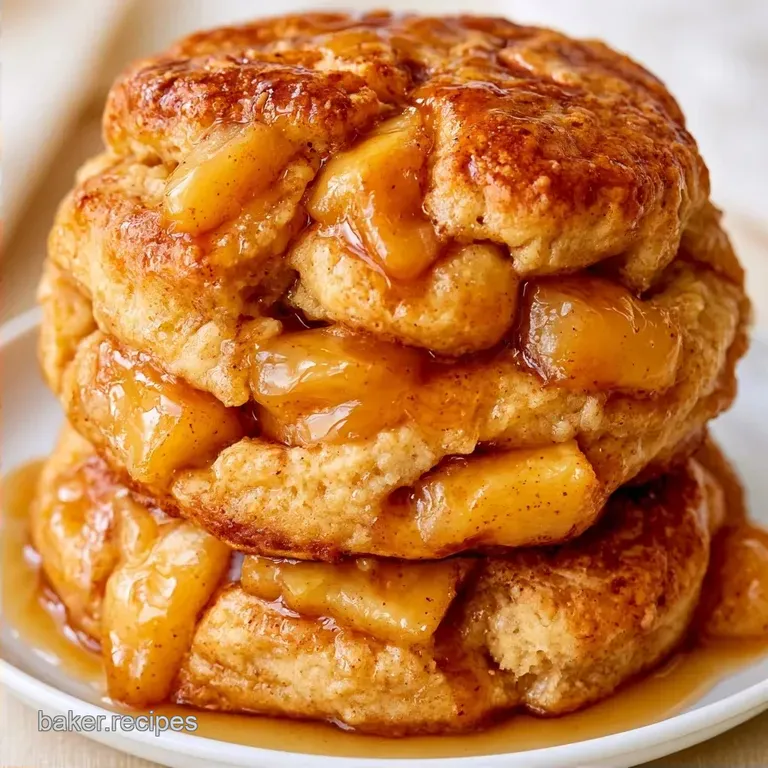
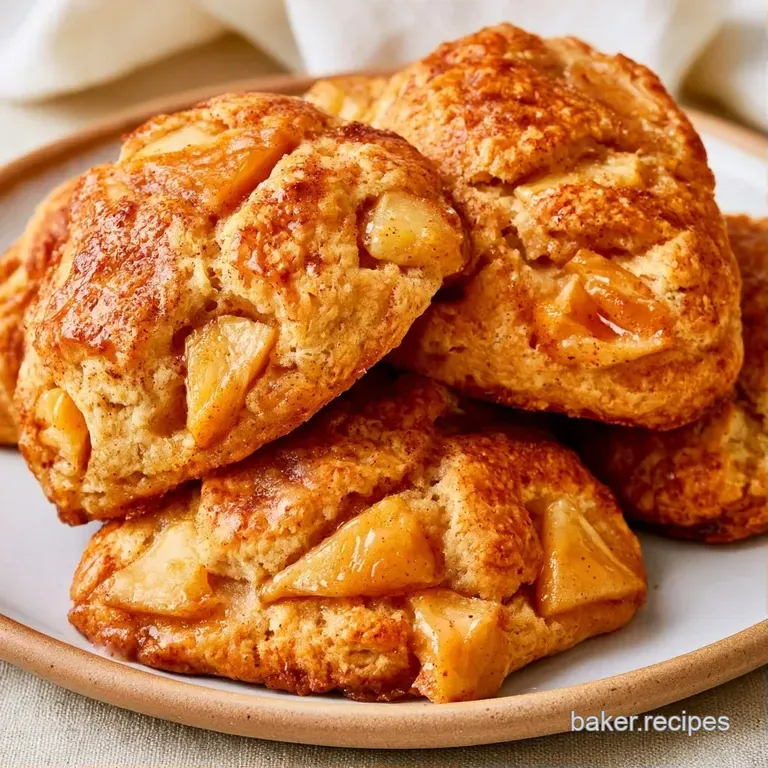
- Flavor/Texture Hook: Mahogany colored crust with tart apple chunks
- Perfect for: Cozy weekend breakfasts
Apple Cinnamon Scones
There is something deeply comforting about the scent of cinnamon in a hot oven. I recall my first attempt using Gala apples, which completely broke down into a sugary mess, leaving the bake soggy. Switching to Granny Smith was the game changer.
Those tart green apples retain their bite, offering a bright contrast to the spices and keeping the pastry from feeling too dense.
You want a treat with a professional bakery finish, but without the ordeal of hours spent chilling and kneading. These Apple Cinnamon Scones provide exactly that: a crisp, shattering exterior paired with a tender, buttery core. We'll avoid fancy machinery and stick to standard kitchen tools, relying instead on precise ingredient temperatures to create those flaky layers.
We're aiming for a rustic look here. Look for generous chunks of apple and a rugged top that catches the turbinado sugar. This process fills your kitchen with the fragrance of a fresh farm harvest, even if you're simply baking on a random Tuesday.
Recipe Quick Specs
Let's start with the essentials. This recipe is built for speed, so there's no need for a professional mixer or an overnight rest for the dough.
If you're planning ahead, remember that the butter must remain chilled. In a hot kitchen, place your flour and sugar in the fridge for 10 minutes before starting to ensure the butter doesn't melt too early.
- - Butter Temp
- Should be 40°F (4°C) or colder.
- - Dough Consistency
- Shaggy and barely held together.
- - Internal Temp
- Scones are done when they reach about 190°F (88°C) in the center.
Ingredient Deep Dive
The real star here is the Granny Smith apple. Its high acidity prevents the scone from tasting flat and keeps the fruit pieces distinct. If you use a softer apple, you'll lose that "pop" of flavor.
| Ingredient | Role | If You Don't Have It |
|---|---|---|
| All Purpose Flour | Structure | White whole wheat (use 10% less) |
| Unsalted Butter | Flakiness | Frozen coconut oil (for dairy-free) |
| Buttermilk | Tenderness | Milk + 1 tsp lemon juice |
| Granny Smith Apple | Tartness | Braeburn or Honeycrisp |
I've found that using brown sugar instead of just white sugar adds a deeper, molasses like note. It pairs better with the cinnamon and creates a more complex flavor profile in these Apple Cinnamon Scones.
Necessary Kitchen Tools
No specialized gear is required. A large mixing bowl and a strong spatula are all you really need. While a pastry cutter is a plus, two forks work perfectly for cutting in the butter.
I can't stress enough how important parchment paper is. I once forgot to line my baking sheet, and the scones stuck so stubbornly that I almost had to carve them out. It's just not worth the gamble.
A sharp knife is key for slicing the disc into wedges. Precise cuts ensure the edges brown evenly. Try not to saw through the dough, as squashing the layers can ruin the lift.
How to Make Them
Setting Up
Set your oven to 400°F (200°C). Line a baking tray with parchment paper to prevent sticking and make removal simple.
Combining Dry Aromatics
In a large bowl, whisk the flour, brown sugar, baking powder, cinnamon, and salt. Make sure to break up any large brown sugar clumps.
Integrating the Butter
Add the chilled, cubed butter to the flour. Use a pastry cutter or forks to blend the butter into the flour until the texture is crumbly with some pea-sized pieces remaining. Note: Avoid overworking the butter; these pieces create the flakes.
Binding the Dough
In a small separate bowl, whisk together the buttermilk, egg, and vanilla. Stir this liquid into the dry mixture. Using a spatula, gently fold in the diced apples (previously tossed in lemon juice), stirring only until the flour is just moistened.
Shaping and Baking
Place the dough on a surface lightly dusted with flour. Gently press it into an 8 inch disc about 1 inch thick. Cut the disc into 8 equal wedges. Arrange the wedges on the baking sheet, brush the tops with melted butter, and sprinkle with coarse sugar.
Bake for 18–22 minutes until the edges are mahogany colored and a toothpick comes out clean.
Why the Dough Rises
Cold Butter: Small chunks of butter melt during baking, releasing steam that pushes the dough upward. This creates the flaky layers typical of great Apple Cinnamon Scones.
Buttermilk Acidity: The acid in buttermilk reacts with the baking powder to create extra lift. This ensures the scones stay tender rather than becoming dense like a biscuit.
| Ingredient Choice | Impact on Texture | Result |
|---|---|---|
| Fresh Apple | High moisture, firm bite | Tart, distinct chunks |
| Dried Apple | Low moisture, chewy | Sweeter, denser scone |
| Canned Apple | Very high moisture | Soggier, softer crumb |
If you're curious about how fruit affects pastry, Serious Eats' testing shows that treating fruit with acid, like our lemon juice toss, helps maintain the fruit's structure and color.
Solving Common Issues
Fixing Tough Scones
If your scones feel bread like or tough, you probably overmixed the dough. Overworking develops excessive gluten, which kills the tenderness. To prevent this, fold in the buttermilk gently. Stop the moment you no longer see streaks of dry flour.
Preventing Flat Scones
Flat scones typically happen when the butter melts before they enter the oven. If your dough seems soft or greasy, put the shaped disc in the freezer for 10 minutes before baking. This firms up the fat and ensures a better rise.
Managing Soggy Dough
Too many apples or oversized pieces can release extra water. Make sure to dice the apples finely and toss them in lemon juice first. If the dough feels too wet to pat into a disc, stir in flour in tablespoon increments until it's manageable.
Keeping Them Fresh
After they have cooled down, keep them in a container with a loose lid for up to 2 days. Avoid sealing them airtight while they are still warm, as the trapped steam will soften the crust.
These also freeze very well for longer storage. Cover each piece separately in plastic wrap and store them in a freezer safe bag for as long as 3 months.
To reheat, warm them in an oven at 350°F (180°C) for 5–8 minutes. This brings back the crisp exterior and heats the center. Try to skip the microwave, as it can make the texture chewy.
Swaps and Tweaks
You can easily change the vibe of these Apple Cinnamon Scones with a few small shifts. For a richer experience, try serving them with apple scones with caramel sauce.
| Original Ingredient | Substitute | Why It Works |
|---|---|---|
| Buttermilk (1/2 cup) | Greek Yogurt (1/2 cup) | Similar acidity. Note: Results in a denser, moister crumb |
| Brown Sugar (1/3 cup) | Maple Sugar (1/3 cup) | Adds a woody, autumnal sweetness |
| All Purpose Flour | Almond Flour (up to 1/4 cup) | Adds nuttiness. Note: Use sparingly to avoid crumbling |
If you're in a mood for something fried instead of baked, my homemade apple fritters use similar flavor profiles but offer a completely different texture.
- - For a taller rise
- chill the dough for 30 minutes before cutting.
- - For more tartness
- add 1 tsp extra lemon juice to the apples.
- - For a softer bite
- swap the buttermilk for full fat sour cream.
Serving Your Scones
These are best served warm, right when the cinnamon aroma is strongest. I love splitting them open and adding a thick slab of salted butter. The salt cuts through the sweetness and makes the apple flavor pop.
For a full tea house experience, serve them with a side of clotted cream or a dollop of lemon curd. The tartness of the curd mirrors the Granny Smith apples perfectly.
If you're serving a crowd, arrange them on a wooden board with some fresh apple slices and a drizzle of honey. It looks rustic and inviting, making these Apple Cinnamon Scones the center of attention at any brunch. Trust me, they disappear fast when the butter is still melting into the crumb.
Recipe FAQs
Which apples work best for these scones?
Granny Smith apples are the top choice. Their tartness balances the brown sugar and they hold their shape during the bake without turning into mush.
What common mistakes cause scones to be flat?
Overmixing the dough is the biggest culprit. Stirring too much develops gluten and destroys air pockets, so mix only until the flour is just moistened.
Are scones better with butter or cream?
Butter is superior for texture. It creates the signature flaky layers and mahogany crust that cream cannot replicate in this specific recipe.
How to prevent the dough from getting tough?
Handle the dough minimally. Gently pat it into an 8 inch disc rather than kneading it to ensure a tender, professional style crumb.
Is it true that you must use a food processor to cut in the butter?
This one's false: A simple pastry cutter or two forks work perfectly to create the essential pea-sized chunks of butter.
Can I swap buttermilk for another dairy option?
Yes, use milk with a splash of lemon juice. If you liked the balance of acidity and creaminess here, see how we use a similar flavor balancing technique in our no bake cheesecake.
Why did my scones turn out soggy?
Omitting the lemon juice or using too many apples often causes this. The lemon juice preserves the fruit, and finely dicing them prevents large moisture pockets from steaming the dough.
Should the butter be melted or chilled?
Keep the butter chilled and cubed. Cold fat is the secret to a flaky interior; if it melts before hitting the 400°F oven, the scones will spread instead of rising.
Apple Cinnamon Scones 2