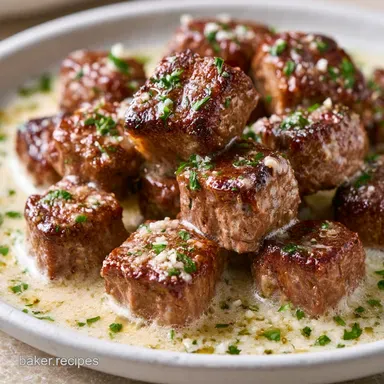
Garlic Parmesan Steak Bites: Creamy and Tender
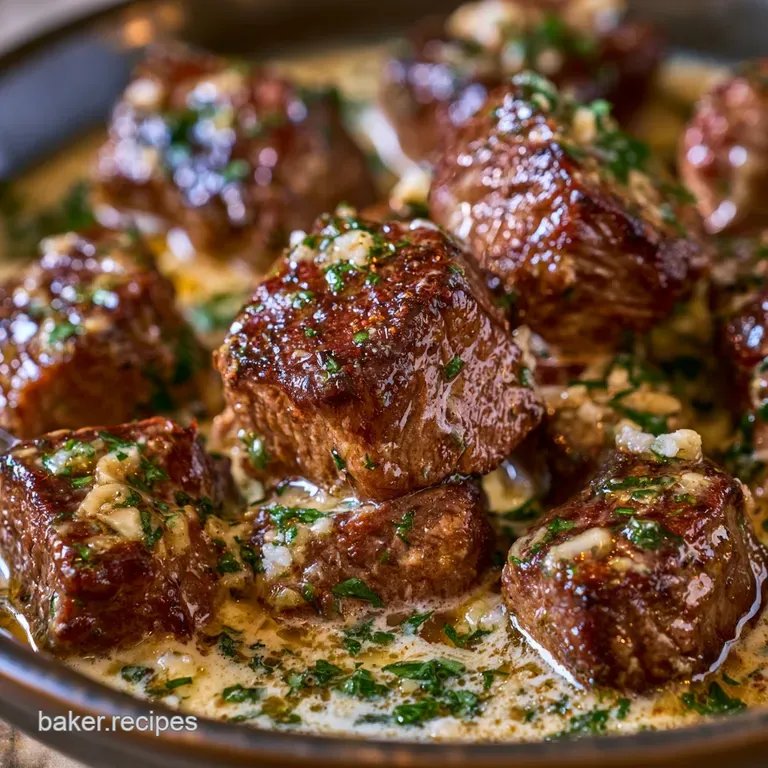
- Time:15 minutes active + 15 minutes cooking = Total 30 minutes
- Flavor/Texture Hook: Shatter crisp edges with a velvety, cheesy glaze
- Perfect for: A high impact weeknight dinner that feels like a steakhouse treat
- Tender Steak Bites in Garlic Butter with Creamy Parmesan Sauce
- Essential Pantry Items
- The Basic Tool Kit
- Step by Step Guide
- Solving Common Steak Issues
- Flavor Variations and Substitutes
- Adjusting Portion Sizes
- Beef Cooking Truths
- Saving and Warming Leftovers
- Serving Your Steak Bites
- Recipe FAQs
- 📝 Recipe Card
That aggressive, popping sizzle when the meat hits the hot oil is the sound of victory. If you've ever made steak bites only to find them gray, rubbery, and swimming in a watery mess, you know the frustration.
It happens when the pan is too crowded or the heat is too low, turning your dinner into something that's basically steamed beef. It's a total mood killer.
I spent way too long trying to "simmer" the steak in the sauce to keep it moist, which was a huge mistake. All that did was toughen the meat and dilute the flavor. The secret is the separation: sear the steak fast and hot, pull it out, and then build the sauce.
Here is the ultimate recipe for Tender Steak Bites in Garlic Butter with Creamy Parmesan Sauce.
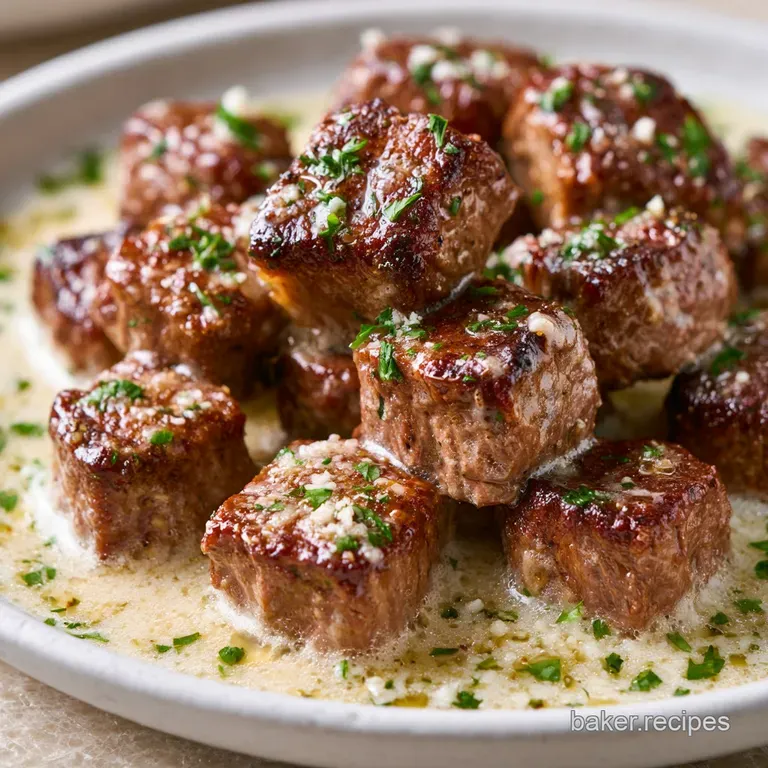
You can expect a dish where each cube has a dark, mahogany crust that contrasts with a rich, salty sauce. It's a fast process, but the order of operations is everything. Trust me on this, don't skip the drying step, and you'll get that steakhouse quality right in your own kitchen.
Tender Steak Bites in Garlic Butter with Creamy Parmesan Sauce
Right then, let's get into why this actually works. When you're dealing with small cuts of meat, the surface to volume ratio is high, meaning you can get a lot of flavor on the outside without overcooking the center. But because they're small, they can go from medium rare to shoe leather in about 30 seconds.
Over High heat Searing: Using avocado oil allows the pan to reach temperatures where the meat browns instantly, locking in the juices through rapid surface dehydration.
Fat Emulsification: Adding the butter and cream after the steak is removed prevents the dairy from burning and allows the sauce to thicken into a silky coating.
Temperature Control: Dropping the heat before adding parmesan ensures the cheese melts smoothly into the cream instead of clumping or separating.
Deglazing Effect: The cream lifts the browned bits (the fond) from the bottom of the pan, incorporating all that concentrated beef flavor back into the sauce.
| Feature | Fast Sear Method | Classic Slow Cook |
|---|---|---|
| Crust Quality | Dark, crispy edges | Soft, browned surface |
| Texture | Firm outside, tender inside | Uniformly soft |
| Prep Time | 15 minutes | 2 hours+ |
| Best For | Quick weeknight meals | Sunday family dinner |
Component Analysis
| Ingredient | Science Role | Pro Secret |
|---|---|---|
| Avocado Oil | Heat Conductor | High smoke point prevents acrid, burnt flavors |
| Heavy Cream | Stabilizer | High fat content prevents the sauce from breaking |
| Parmesan | Thickener/Salt | Adds umami and helps the sauce cling to meat |
| Sirloin Steak | Protein Base | Lean enough for bites but has enough fat for flavor |
Essential Pantry Items
For the steak, we're using sirloin because it's a great middle ground for price and tenderness. If you have a higher budget, filet mignon works, but you might lose some of that beefy punch.
- 1.5 lbs sirloin steak, cut into 1 inch cubes Why this? Consistent size ensures every piece cooks at the same rate
- 1 tsp kosher salt Why this? Coarser grains are easier to distribute evenly
- 1/2 tsp cracked black pepper Why this? Freshly cracked adds a sharp, woody heat
- 2 tbsp avocado oil Why this? Won't smoke or burn at high searing temps
- 4 tbsp unsalted butter Why this? Allows us to control the salt levels in the sauce
- 5 cloves garlic, minced Why this? Fresh garlic provides a pungent, aromatic base
- 1/2 cup heavy cream Why this? Creates the velvety body of the sauce
- 1/2 cup grated parmesan cheese Why this? Provides the salty, nutty finish
- 1 tbsp fresh parsley, chopped Why this? Cuts through the richness with a fresh hit
- 1/4 tsp red pepper flakes Why this? Adds a subtle, background warmth
| Original Ingredient | Substitute | Why It Works |
|---|---|---|
| Sirloin Steak | Ribeye | Higher fat content. Note: Much richer, may release more oil |
| Avocado Oil | Grapeseed Oil | Similar high smoke point. Note: Neutral flavor |
| Heavy Cream | Full fat Coconut Milk | Similar thickness. Note: Adds a tropical note, not traditional |
| Parmesan | Pecorino Romano | Similar salty profile. Note: Sharper, tangier taste |
I usually keep a few different oils in my kitchen. If you're looking for other ways to handle beef, my chuck roast guide is a great resource for those slower, melt in-your mouth cuts.
The Basic Tool Kit
You don't need a fancy kitchen for this, but one specific tool makes a world of difference. A cast iron skillet is the gold standard here because it holds heat better than any other pan.
If you use a thin non stick pan, the temperature will drop the second the meat hits the surface, and you'll end up with that gray, steamed meat we're trying to avoid.
A good set of tongs is also non negotiable. You need to be able to move the steak bites quickly without piercing them, which would let the juices escape. I also recommend a whisk for the sauce stage, as it helps the parmesan incorporate without leaving any little clumps of cheese.
Step by step Guide
1. Prepare for the Sear
Pat the steak cubes completely dry with paper towels. This is the most important step - if the meat is damp, it will steam instead of sear. Toss them in a bowl with salt and pepper until evenly coated.
2. Achieve the over High heat Sear
Heat avocado oil in a cast iron skillet over high heat until it begins to smoke. Add steak bites in a single layer, searing for 2 minutes without moving them until a dark brown crust forms. Toss for another 2-3 minutes until browned on all sides.
Remove steak to a plate.
3. Build the Velvety Sauce
Reduce heat to medium. Melt butter in the same pan, scraping up the brown bits with a spatula. Add minced garlic and sauté for 1 minute until it smells fragrant but isn't brown.
4. The Final Emulsion
Stir in heavy cream and simmer for 2 minutes until the sauce slightly thickens and bubbles. Turn heat to low and whisk in the parmesan cheese until melted and smooth.
5. The Glaze
Return the steak bites and any juices from the plate to the pan. Toss for 30 seconds until the meat is glazed and glossy. Garnish with fresh parsley and red pepper flakes.
Chef's Tip: To get the most flavor, don't throw away the juices that collect on the plate while the steak rests. That's liquid gold that goes straight back into the sauce for a deeper beefy taste.
Solving Common Steak Issues
The most common complaint with this dish is the meat becoming tough. This usually happens because of "overcrowding." If you put too many steak bites in the pan at once, the temperature drops, the meat releases moisture, and you're essentially boiling your steak in its own juices. Work in batches if your pan is small.
Why Your Steak Is Rubbery
This is almost always a heat issue. If the oil isn't smoking before the meat goes in, you won't get the sear. The meat stays in the pan longer to get color, which overcooks the inside.
Why Your Sauce Is Grainy
Grainy sauce happens when the cheese is added to boiling cream. The high heat causes the proteins in the parmesan to clump. Always drop the heat to low before whisking in your cheese.
| Problem | Root Cause | Solution |
|---|---|---|
| Gray meat | Pan too crowded or low heat | Sear in batches over smoking oil |
| Broken sauce | Heat too high during cream phase | Lower heat before adding cheese |
| Burnt garlic | Garlic added too early | Sauté garlic only after meat is removed |
Common Mistakes Checklist
- ✓ Meat was patted completely dry before seasoning
- ✓ Oil was shimmering/smoking before adding steak
- ✓ Steak bites were not moved for the first 2 minutes
- ✓ Heat was lowered before adding the parmesan cheese
- ✓ Steak was removed from the pan before the sauce started
Flavor Variations and Substitutes
If you want to change the vibe of this meal, you can easily tweak the sauce. For a zesty kick, stir in a teaspoon of lemon zest or a splash of Worcestershire sauce during the cream stage. This cuts through the heaviness of the butter and cheese.
For an earthy depth, try adding a handful of sautéed mushrooms to the pan just before the garlic. This makes the dish feel more like a bistro meal. This recipe actually pairs beautifully with a mushroom pasta if you're hosting a dinner party and want a cohesive menu.
If you're keeping it low carb, this is already nearly there. Just serve it over cauliflower mash or steamed asparagus instead of pasta or rice. For a dairy-free version, you can use coconut cream and nutritional yeast, though the flavor will shift toward a nuttier, less "cheesy" profile.
| Goal | Adjustment | Result |
|---|---|---|
| More Heat | Increase red pepper flakes | Spicy, tingling finish |
| Richer Taste | Add 1 tsp Worcestershire | Deep, savory umami |
| Lighter Feel | Swap cream for half and half | Less velvety, more liquid |
Adjusting Portion Sizes
When you're scaling this up for a crowd, the biggest mistake is doubling the meat in the same pan. If you're making 3 lbs of steak, you must cook the meat in three separate batches. If you don't, you'll end up with the "steaming" problem again.
For the sauce, you don't need to strictly double everything. I find that 1.5x the garlic and spices is usually enough for a double batch of meat. Liquids can be reduced by about 10% since there's less relative evaporation in a fuller pan.
If you're scaling down to a single serving, use a much smaller skillet to ensure the sauce doesn't evaporate too quickly and burn.
Beef Cooking Truths
There's a common idea that searing meat "seals in the juices." This is actually a myth. Searing creates a crust that tastes great, but it doesn't stop moisture from leaving the meat. The only way to keep steak juicy is to not overcook it and to let it rest.
Another misconception is that you need to salt meat hours in advance. While dry brining helps, for small steak bites, salting right before they hit the pan is perfectly fine. In fact, salting too early without enough time for the moisture to re absorb can actually draw water to the surface and ruin your sear.
Saving and Warming Leftovers
Store any leftover steak bites in an airtight container in the fridge for up to 3 days. The sauce will thicken significantly as it cools, almost becoming a paste.
To reheat, avoid the microwave if you can. The microwave will toughen the steak and likely break the sauce. Instead, put the bites in a small skillet over medium low heat. Add a tablespoon of water or beef broth to loosen the sauce. Stir gently until heated through.
For freezing, I don't recommend freezing the steak bites in the sauce. The cream can separate and the texture of the steak changes. If you must freeze, freeze the seared steak alone and make a fresh batch of sauce when you're ready to eat.
To avoid waste, save any leftover garlic stems or parsley roots in the freezer for your next homemade stock. If you have a bit of the creamy sauce left but no steak, toss it with some leftover pasta for a quick lunch.
Serving Your Steak Bites
For the "dinner party" look, don't just dump the meat on a plate. Use a wide, shallow bowl and spoon the sauce in first, then nestle the steak bites on top. This keeps the crusts from getting soggy.
The ultimate comfort meal pairing is serving these over a bed of garlic mashed potatoes or thick pappardelle pasta. The sauce is rich, so something that can soak it up is key. A sprinkle of fresh parsley and an extra dusting of parmesan right before serving makes it look like it came from a professional kitchen.
If you're serving this as an appetizer, put the bites on a platter with toothpicks and serve a side of crusty toasted baguette for dipping into the extra sauce. It's a guaranteed crowd pleaser.
Recipe FAQs
Which cut of steak works best for these bites?
Sirloin is the ideal choice. It provides a great balance of tenderness and lean muscle, ensuring the 1 inch cubes hold their shape during the high heat sear.
How to achieve a perfect brown crust on the steak?
Pat the steak cubes completely dry with paper towels before seasoning. Searing them in smoking hot avocado oil for 2 minutes without moving ensures a deep, caramelized crust.
Can I use a non-stick pan instead of cast iron?
Yes, but cast iron is preferred. Non-stick pans cannot handle the high temperatures needed to reach the smoking point of the oil, which may result in steamed meat rather than seared steak.
How to prevent the parmesan sauce from becoming grainy?
Reduce the heat to low before whisking in the cheese. Adding parmesan to simmering cream can cause the proteins to clump; a low temperature ensures a smooth, emulsified glaze.
Is it true that crowding the pan helps the meat cook faster?
No, this is a common misconception. Overcrowding the pan lowers the temperature and releases moisture, which steams the steak instead of searing it.
How to store and reheat leftover steak bites?
Store in an airtight container for up to 3 days. Reheat gently in a skillet over medium low heat with a splash of water or cream to loosen the sauce without overcooking the meat.
What sides pair best with this creamy steak dish?
Steamed vegetables or a hearty soup work well. If you enjoy a rich, velvety texture in your meals, this dish pairs beautifully with a side of homemade corn chowder.
Creamy Garlic Parmesan Steak Bites