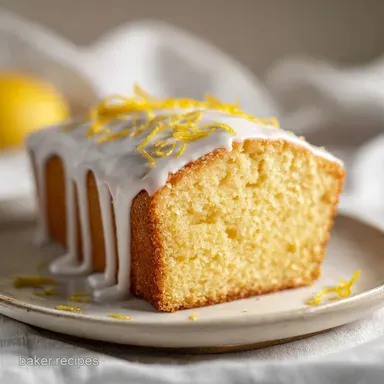
Lemon Cake: Ultra Moist and Tender

- Time: 30 min active + 30 min baking = Total 70 mins
- Flavor/Texture Hook: Bright, zesty aroma with a tender, melt in-your mouth crumb
- Perfect for: Sunny weekend brunches or a bright spring dessert
- Lemon Cake
- Why This Texture Actually Works
- Component Analysis
- Gathering Your Essentials
- Tools for the Job
- Bringing It Together
- Handling Common Mishaps
- Troubleshooting Common Issues
- Different Flavor Twists
- Scaling the Recipe
- Kitchen Truths
- Storage and Waste Tips
- Best Side Pairings
- Recipe FAQs
- 📝 Recipe Card
Lemon Cake
The sharp, bright scent of fresh lemon oil hitting granulated sugar is probably my favorite smell in the whole kitchen. It's that instant signal that something sunny and fresh is happening. But let's be honest, most of us have had a bad run with this kind of dessert.
You know the one: a cake that tastes more like a lemon flavored sponge or, even worse, has a rubbery texture that feels like you're chewing on a eraser.
That rubbery vibe usually happens because of overmixing or using ingredients straight from the fridge. I used to just toss everything in a bowl and hope for the best, only to end up with a dense, sad block. This recipe is the fix for that.
We're using a specific method to unlock the lemon's essence and a few temperature tricks to make sure the cake stays light and airy.
You can expect a Lemon Cake that is genuinely moist and has a flavor that tastes like a fresh orchard in the peak of spring. It's not just "lemon flavored", it's deeply aromatic. We're going for a velvety texture that holds its shape but practically dissolves when it hits your tongue.
Trust me on the buttermilk, it's the secret to that tender crumb we're after.
Why This Texture Actually Works
I've spent a lot of time wondering why some cakes feel heavy and others feel like clouds. It usually comes down to how the fats and acids interact.
- Essential Oil Release: Rubbing lemon zest into sugar breaks the tiny oil sacs in the peel, dispersing the flavor throughout the fat of the butter rather than just having pockets of zest.
- Tenderizing Acid: The lactic acid in buttermilk breaks down long gluten strands, which prevents the cake from becoming tough or rubbery.
- Air Incorporation: Creaming butter and sugar creates tiny air pockets that expand in the oven, giving the cake its lift.
- Emulsion Stability: Adding eggs one by one ensures the fat and water combine properly, so the batter doesn't split and create a greasy layer at the bottom.
Depending on how much time you have, you might be choosing between a shortcut or the full process. Here is how they stack up.
| Feature | Fast Method (Box/Short) | Classic Scratch Method | Impact |
|---|---|---|---|
| Texture | Spongy/Uniform | Velvety/Tender | Scratch is far superior |
| Aroma | Artificial/Flat | Bright/Floral | Fresh zest is key |
| Effort | 15 mins prep | 30 mins prep | 15 min difference |
| Result | Predictable | Gourmet | Scratch feels special |
If you're looking for something even more tart and concentrated, you might enjoy my [Classic Lemon Bars recipe](https://baker.recipes/recipes/classic lemon-bars recipe/), but for a proper dessert, this cake is the way to go.
Component Analysis
I like to think of the ingredients as a team. If one person doesn't show up (or is the wrong temperature), the whole thing falls apart.
| Ingredient | Science Role | Pro Secret |
|---|---|---|
| Buttermilk | Gluten softener | Use room temp to prevent butter from curdling |
| Lemon Zest | Flavor anchor | Rub into sugar first for maximum aroma |
| Unsalted Butter | Structure and moisture | Softened, not melted, for air trapping |
| All purpose Flour | The skeleton | Measure by weight for consistency |
Gathering Your Essentials
When making a Lemon Cake from scratch, the quality of your lemons is everything. Try to find thick skinned ones, as they usually hold the most oil.
- 2 cups (250g) all purpose flour Why this? Provides the standard structure for a tender crumb (Substitute: Cake flour for an even softer texture, but it'll be more fragile)
- 1 ½ cups (300g) granulated sugar Why this? Sweetness and aeration (Substitute: Caster sugar for a finer grain)
- 2 tbsp (6g) fresh lemon zest Why this? Pure aromatic punch (Substitute: None, bottled zest is too bitter)
- 1 tbsp (12g) baking powder Why this? The primary lift (Substitute: Baking soda + extra lemon juice)
- ½ tsp (3g) salt Why this? Balances the sugar (Substitute: Fine sea salt)
- ¾ cup (170g) unsalted butter, softened Why this? Richness and air (Substitute: high-quality margarine, though flavor drops)
- 3 large eggs, room temperature Why this? Binding and lift (Substitute: 3 flax eggs for vegan, but texture changes)
- 1 cup (240ml) buttermilk, room temperature Why this? Tenderness (Substitute: 1 cup milk + 1 tbsp lemon juice, let sit 10 mins)
- ¼ cup (60ml) fresh lemon juice Why this? Tangy brightness (Substitute: Bottled juice, but fresh is better)
- 1 tsp (5ml) vanilla extract Why this? Rounds out the lemon (Substitute: Almond extract for a nutty twist)
- 1 cup (120g) powdered sugar Why this? Glaze base (Substitute: Icing sugar)
- 2 tbsp (30ml) fresh lemon juice Why this? Glaze tartness (Substitute: Orange juice for a citrus blend)
- 1 tbsp (15g) melted unsalted butter Why this? Glaze shine (Substitute: Coconut oil)
If you're in the mood for something creamy to go with this, a [No Bake Cheesecake](https://baker.recipes/recipes/classic-no-bake cheesecake/) makes a great companion for a larger dessert spread.
Tools for the Job
You don't need a professional kitchen, but a few basics make a huge difference. I use a standard stand mixer, but a hand mixer works just as well.
- 9 inch round cake pan
- Parchment paper (don't skip this or the cake will stick)
- Mixing bowls (one for wet, one for dry)
- Whisk and rubber spatula
- Fine mesh zester or Microplane
- Toothpick or cake tester
Bringing It Together
Right then, let's get into the actual making of the Lemon Cake. Pay attention to the smells and the colors - that's how you know you're on the right track.
Preparing the Foundation
Preheat your oven to 350°F (175°C). Take your 9 inch round cake pan, grease it with butter, and line the bottom with a circle of parchment paper. This is your insurance policy against the cake sticking.
Releasing Essential Oils
Put your granulated sugar and lemon zest in a bowl. Use your fingertips to rub the zest into the sugar. Do this for about 2 minutes until the sugar looks damp and smells intensely fragrant. This is the most important step for a homemade lemon cake.
Crafting the Batter
Add the softened butter to the fragrant sugar. Beat them together until the mixture is pale and fluffy. Now, beat in the eggs one at a time. Wait until each egg is fully absorbed before adding the next. Stir in the vanilla extract and the ¼ cup of lemon juice.
Incorporating the Dry Ingredients
In a separate bowl, whisk together your flour, baking powder, and salt. This ensures the leavening agent is evenly distributed so you don't get weird bubbles.
The Alternating Method
Slowly add the flour mixture and the buttermilk to the butter mixture. Start with a bit of flour, then some buttermilk, then flour again, ending with the flour. Stir until just combined. Stop as soon as you don't see any more dry flour streaks. If you overmix here, the cake becomes rubbery.
Baking to Perfection
Pour the batter into your prepared pan and smooth the top with a spatula. Bake for 30-35 minutes. You'll know it's done when the edges pull slightly away from the pan and a toothpick inserted into the center comes out clean. The kitchen should smell like a lemon grove.
Finishing with the Glaze
Let the cake cool completely in the pan. While it cools, whisk together the powdered sugar, 2 tbsp lemon juice, and melted butter until silky. Pour the glaze over the cake, letting it drip down the sides naturally.
Chef's Note: If your glaze is too thick to pour, add lemon juice half a teaspoon at a time. If it's too runny, whisk in a tablespoon more of powdered sugar.
Handling Common Mishaps
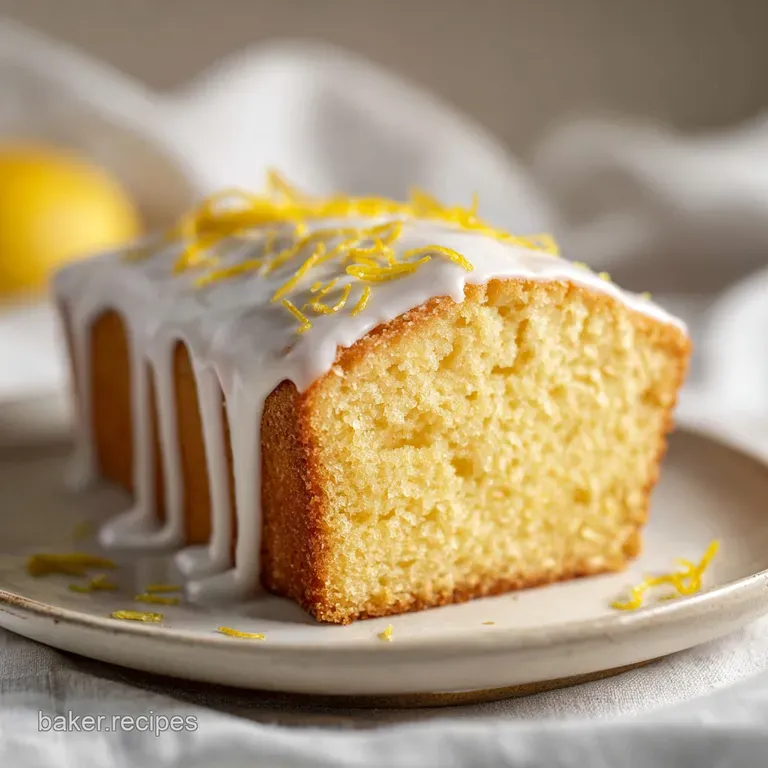
Even for experienced cooks, a Lemon Cake can occasionally go sideways. Usually, it's a simple fix.
Troubleshooting Common Issues
| Issue | Solution |
|---|---|
| Why Your Cake is Rubbery | This is almost always caused by overmixing. When you stir the flour into the wet ingredients, you activate gluten. Too much stirring means too much gluten, which leads to a bread like texture rather t |
| Why Your Cake Sunk in the Middle | A sunken center usually happens if the oven door is opened too early or if the baking powder is expired. The sudden drop in temperature causes the air bubbles to collapse before the cake structure has |
| Why Your Cake is Dry | Overbaking is the culprit here. Even five extra minutes can strip the moisture from the crumb. Always use a toothpick and pull the cake out the moment it's clean. |
To make sure your moist lemon cake recipe turns out right, keep this checklist in mind:
- ✓ Butter and eggs are truly room temperature
- ✓ Zest was rubbed into sugar until fragrant
- ✓ Flour was measured accurately (not packed)
- ✓ Batter was not over beaten after adding flour
- ✓ Oven was fully preheated to 350°F
Different Flavor Twists
Once you've mastered the basic Lemon Cake, you can start playing with the flavor profile. I love using seasonal additions from the garden.
Adding Texture
Poppyseeds are the classic choice. Add 2 tablespoons of poppyseeds to the flour mixture. It adds a nice little crunch and looks beautiful against the yellow crumb.
Fresh Fruit Additions
If you have fresh berries, blueberries are incredible here. Toss 1 cup of blueberries in a teaspoon of flour (to prevent sinking) and fold them gently into the batter at the very end.
Swapping the Citrus
You can replace half of the lemon juice and zest with lime for a "Key Lime" style cake. This creates a slightly more tropical, zesty vibe that feels very summer appropriate.
Adjusting the Sweetness
If you prefer a less sweet cake, you can reduce the granulated sugar by 2 tablespoons. However, don't go much further, as sugar also affects the moisture and tenderness of the cake.
Scaling the Recipe
Sometimes you need a tiny treat, and sometimes you're feeding the whole neighborhood. Here is how to adjust this Lemon Cake.
Scaling Down
To make a half batch, use a 6 inch pan instead of a 9 inch. Since you can't easily split an egg, beat one egg in a small bowl and use exactly half of it by weight. Reduce the baking time by about 20%, but start checking at 20 minutes.
Scaling Up
If you're doubling the recipe for two cakes, do not simply double the salt and baking powder. Use 1.5x the salt and leavening to avoid a metallic taste. Work in batches if your mixer is small to ensure the emulsion stays stable.
Baking Tips for Larger Batches
If you're baking multiple cakes at once, lower the oven temperature to 325°F (160°C) and extend the baking time. This prevents the outside from burning before the center is set.
Deciding which version to make? Use this shortcut:
- If you want a light snack: Scale down to a 6 inch pan
- If you want a party centerpiece: Double the batch and stack two layers with frosting
- If you want a tart kick: Increase the glaze lemon juice by 1 tbsp
Kitchen Truths
There are a few things people tell you about baking that just aren't true. Let's clear some of that up.
Sifting flour is often called "mandatory" for a light cake. While it helps, if you whisk your flour well with the baking powder, sifting is mostly unnecessary for this specific recipe. The buttermilk does the heavy lifting for the texture.
Some say you should use melted butter for a "moister" cake. In reality, melted butter creates a denser, more fudgy texture. For a light, airy Lemon Cake, creamed, softened butter is the only way to get that classic lift.
Storage and Waste Tips
A homemade lemon cake stays fresh longer than you'd think if you store it correctly.
Storage Guidelines Keep the cake at room temperature in an airtight container for up to 3 days. If you live in a very humid area, pop it in the fridge, but let a slice sit out for 20 minutes before eating so the butter softens back up.
For long term storage, wrap individual slices in parchment paper and foil; they'll stay great in the freezer for 2 months.
Zero Waste Ideas Don't throw away those leftover lemon peels! You can place them in a jar with white vinegar for two weeks to create a powerful, natural all purpose cleaner.
Alternatively, dry the peels in a low oven (200°F) and grind them into a powder to add to your sugar jars for a constant hint of citrus.
Best Side Pairings
While this Lemon Cake is great on its own, a few additions can make it a full experience.
A dollop of unsweetened whipped cream or a spoonful of crème fraîche balances the tartness of the lemon glaze. If you're serving this for a brunch, some fresh raspberries or sliced strawberries on the side add a lovely color contrast.
For a drink pairing, a light Earl Grey tea is a match made in heaven. The bergamot in the tea complements the citrus notes of the cake without overpowering them. If you're feeling fancy, a glass of chilled Prosecco makes this a celebratory dessert.
Right then, you've got everything you need for a stunning Lemon Cake. Just remember to keep your ingredients at room temperature and don't overwork that batter. Your kitchen is about to smell incredible!
Recipe FAQs
What is the secret to a good lemon cake?
Rub the lemon zest into the sugar. This releases the citrus oils for a deeper flavor. If you enjoyed mastering this flavor infusion technique, see how it helps the balance in our Victoria Sponge.
How to prevent the cake from becoming rubbery?
Stir the flour mixture until just combined. Overmixing activates too much gluten, which creates a bread like texture rather than a tender crumb.
Why did my lemon cake sink in the middle?
The oven door was likely opened too early. This sudden drop in temperature causes air bubbles to collapse before the structure is set. Expired baking powder can also cause this issue.
How to store the cake to keep it fresh?
Place the cake in an airtight container at room temperature. It will stay fresh for up to 3 days. In humid areas, refrigerate it and let slices sit out for 20 minutes to soften the butter.
Can I freeze lemon cake for later?
Yes, wrap individual slices in parchment paper and foil. This method prevents freezer burn and preserves the cake for up to 2 months.
Is it true that I should open the oven frequently to check for doneness?
No, this is a common misconception. Opening the door frequently lets heat escape and increases the risk of the cake collapsing in the center.
How to get the most flavor out of the lemon zest?
Massage the fresh zest into the granulated sugar using your fingertips. Do this until the sugar becomes damp and highly fragrant before creaming in the butter.
Moist Lemon Cake