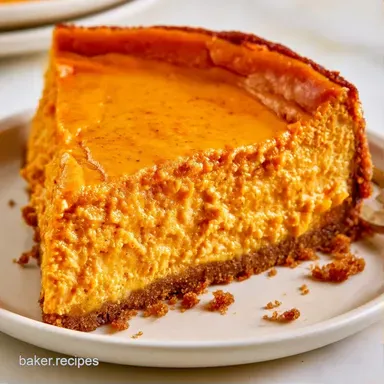
Creamy Pumpkin Cheesecake Gingersnap Crust
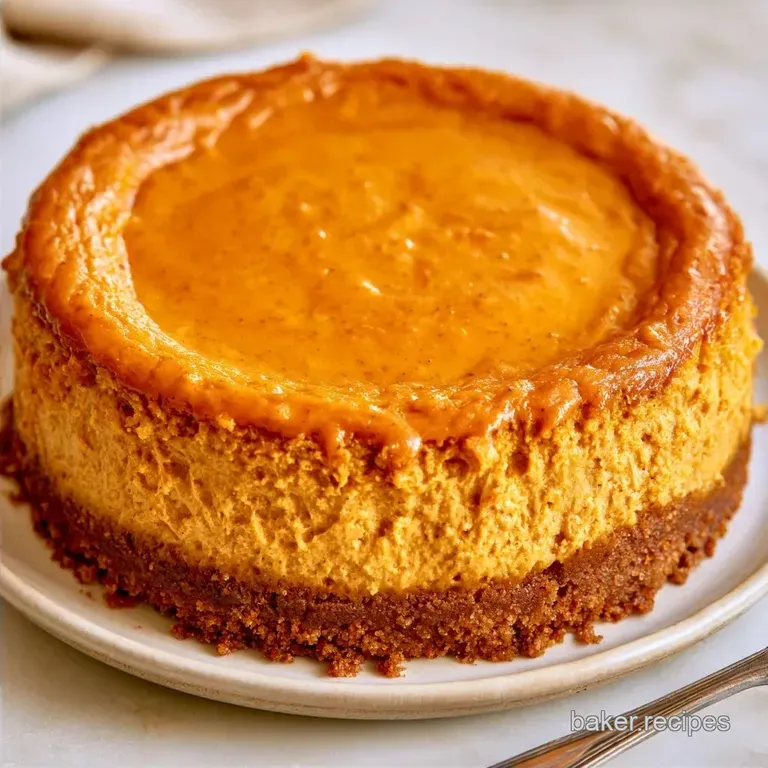
- Time: 20 min active + 6 hrs 20 mins chilling/baking
- Flavor/Texture Hook: Spiced, creamy filling with a shattering, gingery base
- Perfect for: Harvest dinners, holiday parties, or a cozy autumn weekend
Ever feel like many pumpkin desserts lack depth? More often than not, they are overwhelmingly sweet without enough contrast to keep things interesting. I once fell into that trap, relying too heavily on sugar and producing a treat that tasted more like a seasonal candle than an actual dessert.
The secret lies in the balance. This Pumpkin Cheesecake Gingersnap Crust relies on the interplay between zesty, peppery ginger and the lush, heavy weight of the filling. It is this specific contrast that makes the recipe successful.
You can expect a slice that is indulgent yet finishes clean. Rather than just another autumn sweet, it is a celebration of textures, transitioning from a crisp, mahogany colored crust to a velvety, spiced center.
Why This Pair Works
- Ginger Contrast: The molasses and ginger in the crust act as a foil to the heavy fats in the cream cheese.
- Pre Baking the Base: A quick 10 minute bake sets the crust, so the moisture from the pumpkin doesn't turn it into mush.
- Low and Slow Heat: Baking at 160°C prevents the eggs from expanding too fast and cracking the surface.
Right then, before we get into the grit, let's look at the difference between using fresh and canned pumpkin.
| Pumpkin Type | Texture | Flavor Profile | Impact on Bake |
|---|---|---|---|
| Canned Puree | Thick and consistent | Mild, sweet pumpkin | Predictable set; standard bake time |
| Fresh Roasted | More watery | Deep, earthy, toasted | May require extra baking time to set |
What Each Ingredient Does
Omitting brown sugar from the crust leaves it tasting too plain. That hint of molasses is essential for bridging the gap between the cookies and the pumpkin.
| Ingredient | Role | Best Swap |
|---|---|---|
| Gingersnap Crumbs | Provides a spicy, sturdy foundation | Gingerbread cookies (slightly sweeter) |
| Full Fat Cream Cheese | Creates a rich, creamy consistency | Neufchâtel (lighter, less tangy) |
| Pumpkin Puree | Adds seasonal flavor and moisture | Roasted butternut squash (more nutty) |
| Sour Cream | Adds tang to balance the density | Greek yogurt (thicker, more tart) |
Essential Kitchen Tools
While a professional setup isn't required, a few particular tools will make your life easier. A springform pan is a must; attempting to remove a cheesecake from a standard cake tin usually results in it collapsing.
Using a stand mixer is the best way to achieve a perfectly smooth cream cheese mixture. If you prefer a hand mixer, simply be patient and scrape the bowl every couple of minutes. You will also need a roasting pan wide enough to house the springform pan for the water bath.
Making the Cheesecake
Let's crack on. This process happens in three distinct phases: the crust, the filling, and the long wait.
Engineering the Crust
- Process gingersnap cookies in a food processor until they reach a fine, sandy consistency.
- Stir in melted butter, brown sugar, and salt until the mixture resembles wet sand.
- Firmly press the mixture into the bottom and 1 inch up the sides of the springform pan. Note: Using a flat bottomed glass helps get the edges tight.
- Bake the crust at 175°C for 10 minutes, then remove and cool completely.
Creating the Filling
- Beat the softened cream cheese and sugar on medium low speed until completely smooth.
- Mix in the pumpkin puree, sour cream, vanilla, cinnamon, ginger, cloves, and salt, scraping the sides of the bowl frequently.
- Add eggs one at a time, mixing on low speed just until incorporated. Note: Stop mixing the second the eggs vanish to avoid air bubbles.
The Slow Bake Process
- Wrap the outside of the cooled springform pan in three layers of heavy duty aluminum foil.
- Place the pan in a larger roasting pan and fill the roasting pan with boiling water until it reaches halfway up the side of the cheesecake pan.
- Bake at 160°C for 60-70 minutes until edges are set but the center has a slight wobble.
- Turn off the oven and prop the door open slightly, letting the cake sit inside for 1 hour.
- Refrigerate for at least 6 hours, preferably overnight, before releasing the springform ring.
Troubleshooting Texture Issues
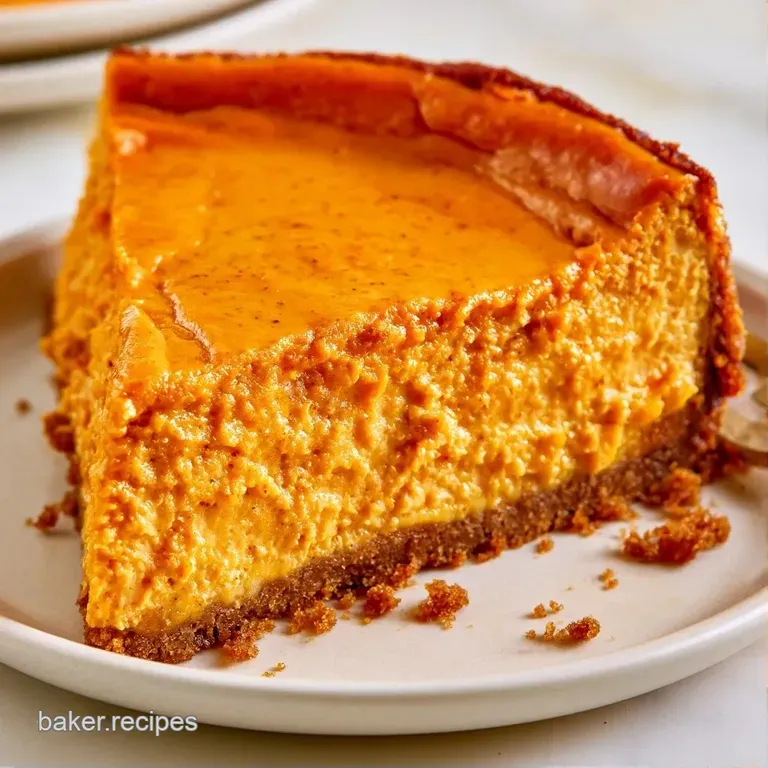
Most cheesecake issues stem from air incorporation or temperature. Over whipping the batter creates a pumpkin soufflé effect, where the cake rises sharply and then collapses, leaving a deep dip in the center.
Fixing a Cracked Top
This typically occurs due to over beaten eggs or an excessively hot oven. While a water bath is your primary defense, the key to avoiding shrink cracks is allowing the cake to cool slowly inside the oven.
Fixing Soggy Crusts
Skipping the initial bake often leads to a damp base. Pre-baking the crust for 10 minutes establishes a toasted seal that prevents the filling from seeping into the crumbs.
Fixing Liquid Centers
If the middle is still runny after 70 minutes, your oven may be running cold. Try another 10 minutes, but keep in mind that a slight "wobble" is expected; it will set completely during the 6 hour chill.
| Problem | Fix |
|---|---|
| Top cracked | Gradual cooling in the oven with the door ajar |
| Crust is soft | Pre bake crust at 175°C for 10 mins |
| Lumpy filling | Ensure cream cheese is completely room temperature |
| Center liquid | Bake in 10 min increments until only a slight wobble remains |
Flavor Twists and Swaps
Looking for a twist on the classic? There are several ways to customize this recipe. If you're after a different autumnal feel, my Traditional Pumpkin Pie is a lighter option that skips the dense cream cheese base.
Adding Caramel Sauce
To make this even more indulgent, try drizzling salty caramel over the top once the cake has chilled. Adding a touch of orange to the sauce can add a refreshing brightness to the dessert.
Making Cheesecake Bars
Switch the springform pan for a 9x9 inch square pan. Keep the crust and filling instructions the same, but lower the baking time to roughly 40-45 minutes.
Using Gingerbread Cookies
Gingerbread cookies are a great substitute if gingersnaps aren't available. Since they are slightly sweeter and softer, I recommend adding an extra pinch of salt to the crust to balance the flavor.
- - For a firmer set
- Let the cake chill for 12 hours rather than 6.
- - For a crunchier crust
- Bake the base for 12 minutes instead of 10.
- - For a lighter texture
- Whip the cream cheese and sugar for an extra 3 minutes.
Adjusting the Serving Size
Adjusting a cheesecake recipe isn't as straightforward as simply multiplying the ingredients, since the total volume impacts the bake time. However, if you use two separate pans for a double batch, the timing remains nearly the same.
| Servings | Pan Size | Temp Adjustment | Bake Time Change |
|---|---|---|---|
| 6 Slices | 6 inch pan | Same (160°C) | Reduce by 15-20 mins |
| 12 Slices | 9 inch pan | Same (160°C) | Standard (60-70 mins) |
| 24 Slices | Two 9 inch | Lower to 150°C | Increase by 10-15 mins |
When making half the recipe, whisk one egg in a small bowl first and then use exactly half of it. This ensures the hydration ratio remains correct.
Storage and Freezer Tips
The cheesecake's flavor actually improves on the second day as the spices meld. Keep it chilled for 4 days, loosely covered with plastic wrap or aluminum foil.
For longer storage, individual slices can be frozen. Wrap each piece in parchment paper and then tightly in foil to keep them fresh for around 2 months.
To thaw, transfer a slice to the fridge the night before serving. Avoid thawing on the counter, as the temperature fluctuation can lead to the filling separating or weeping.
To prevent waste, stir any remaining gingersnap crumbs into your morning oatmeal or use them as a garnish for vanilla ice cream.
The Best Pairings
Because the Pumpkin Cheesecake Gingersnap Crust is so rich, you want something to cut through that fat. A dollop of unsweetened whipped cream with a pinch of cinnamon is the standard move, but you can go further.
Fresh pomegranate seeds add a bright, tart pop that looks beautiful against the orange filling. I also love serving this with a sharp, tart apple chutney or a drizzle of maple syrup.
For drinks, a hot Earl Grey tea or a spiced cider works best. The tannins in the tea help cleanse the palate between bites of the dense cheesecake.
The Logic of Baking
There are a few a ha moments in this recipe that make it work. Understanding these means you won't be guessing when you see that wobble in the center.
The Water Bath Reason
The water bath acts as a thermal buffer. It prevents the edges from hitting 100°C, which keeps them from overcooking and toughening before the middle is done. This is the same logic I use when making Oreo Cheesecake Bites, though on a smaller scale.
Cream Cheese Temperature
Cold cream cheese is the enemy. It doesn't emulsify with the sugar, leading to those tiny white lumps that haunt your dessert. Room temperature cheese blends into a smooth, glossy paste instantly.
Gingersnaps vs Grahams
Gingersnaps have a higher molasses content than graham crackers. This makes the crust more sturdy and gives it a darker, more rustic color that fits the autumn theme.
Quick Precision Checkpoints:
- Crust height: Exactly 1 inch up the sides of the pan.
- Water level: Exactly halfway up the side of the springform pan.
- Bake temp: 160°C (325°F) for the filling phase.
Common Misconceptions: - "You must use a springform pan." Not true, but you'll need to line a standard pan with parchment paper that hangs over the edges so you can lift the cake out.
- "Cold eggs prevent cracks." Actually, room temperature eggs incorporate better into the fat, creating a more stable emulsion that is less likely to separate.
Right then, you've got everything you need. The Pumpkin Cheesecake Gingersnap Crust is all about patience don't rush the cooling or the chilling. Trust the process, and you'll have a slice that's as bold and comforting as a crisp October morning.
Recipe FAQs
How to get a smooth, gourmet texture in the pumpkin filling?
Beat the softened cream cheese and sugar on medium low speed. This prevents incorporating too much air, which stops the cake from rising and then crashing.
Which pumpkin puree works best for this cheesecake?
Use unsweetened canned pumpkin puree. Avoid pumpkin pie filling, as it contains added sugars and spices that alter the recipe's balance.
Can I substitute graham crackers for gingersnaps?
Yes, though you'll lose the spicy contrast. If you enjoyed controlling the crust texture here, the same pressing technique ensures a stable base in our Southern Pecan Pie.
Why did my cheesecake crack in the middle?
Overmixing the eggs is the primary culprit. Beating the batter too hard creates air bubbles that collapse during the cooling process.
Is it true that the water bath is optional?
False. The water bath regulates oven temperature to ensure the edges don't overcook before the center sets.
When should I refrigerate the cake?
Chill for at least 6 hours. Letting it set overnight is best to ensure the filling is firm before you release the springform ring.
Would preparing the batter a day early work?
No, mix the ingredients just before baking. The eggs can separate or lose their structural integrity if the batter sits too long.
What is the secret to clean slices?
Dip a sharp knife in hot water between every cut. Wipe the blade clean after each slice to prevent the filling from smearing.
Pumpkin Cheesecake Gingersnap Crust