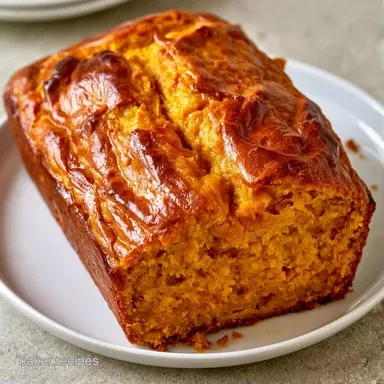
Golden Dutch Oven Pumpkin Bread
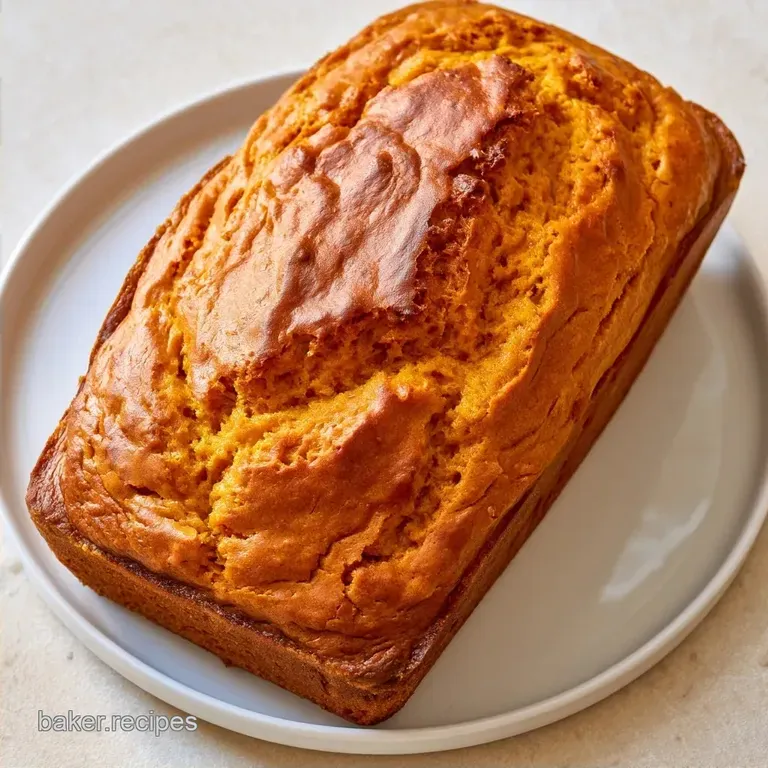
- Time: 10 min active + 12-18 hours rising
- Flavor/Texture Hook: Mahogany hued crust with a tender, golden crumb
- Perfect for: Autumn brunch or a cozy harvest dinner
The smell of toasted pumpkin and warm honey floating through the house is the only way I know autumn has actually arrived. In many farm focused communities, baking a seasonal loaf isn't just about food, it's a celebration of the harvest.
This kind of bread, with its earthy hue and hearty feel, reminds me of the old school tradition of using whatever was fresh from the garden to sustain the family through the colder months.
I remember the first time I tried baking a loaf in cast iron. The sound was the best part, a rhythmic "singing" or crackling that happens as the bread cools on the rack. It's a sound that tells you the crust is thin, crisp, and exactly right.
You can expect a loaf that looks professional but requires almost no effort. This Dutch Oven Pumpkin Bread doesn't need any kneading, just a bit of patience and a very hot pot.
Dutch Oven Pumpkin Bread
The Steam Effect: The heavy lid traps moisture escaping from the dough. This keeps the surface flexible, letting the loaf grow taller before the crust sets.
Pumpkin Moisture: The puree adds natural sugars and hydration. This results in a softer, more tender interior than a standard white loaf.
| Pumpkin Source | Texture Impact | Flavor Note | Result |
|---|---|---|---|
| Fresh Puree | More moist, softer crumb | Earthy, bright | Higher hydration |
| Canned Puree | More consistent, denser | Concentrated sweetness | Reliable rise |
Ingredient Deep Dive
Right then, let's look at what's actually doing the work in this dough. I've found that using bread flour is a must here because the extra protein supports the heavy pumpkin puree.
| Ingredient | What It Does | Best Swap |
|---|---|---|
| Bread Flour | Provides structure and height | All purpose flour (softer loaf) |
| Pumpkin Puree | Adds color, moisture, and sweetness | Roasted butternut squash puree |
| Instant Yeast | Makes the dough rise quickly | Active dry yeast (needs blooming) |
| Honey | Feeds yeast and browns the crust | Maple syrup |
Recipe Specs
This is a slow process bread. Don't rush the rise, or you'll miss out on that deep, developed flavor.
- Prep time: 10 minutes
- Cook time: 45 minutes
- Total time: 13 hours
- Yield: 8 slices
- Oven Temp: 450°F (230°C)
Equipment Needed
You don't need professional gear to get started, but having these specific tools will help you achieve the best results.
- Cast Iron Dutch Oven: A 4 to-6 quart pot with a tight fitting lid.
- Large Mixing Bowl: A wide container that allows the dough to double in size.
- Digital Scale: For maximum precision (weighing 375g of flour is far more reliable than using cups).
- Parchment Paper: Ensures the dough doesn't stick to the searingly hot pot.
Step-by-step Instructions
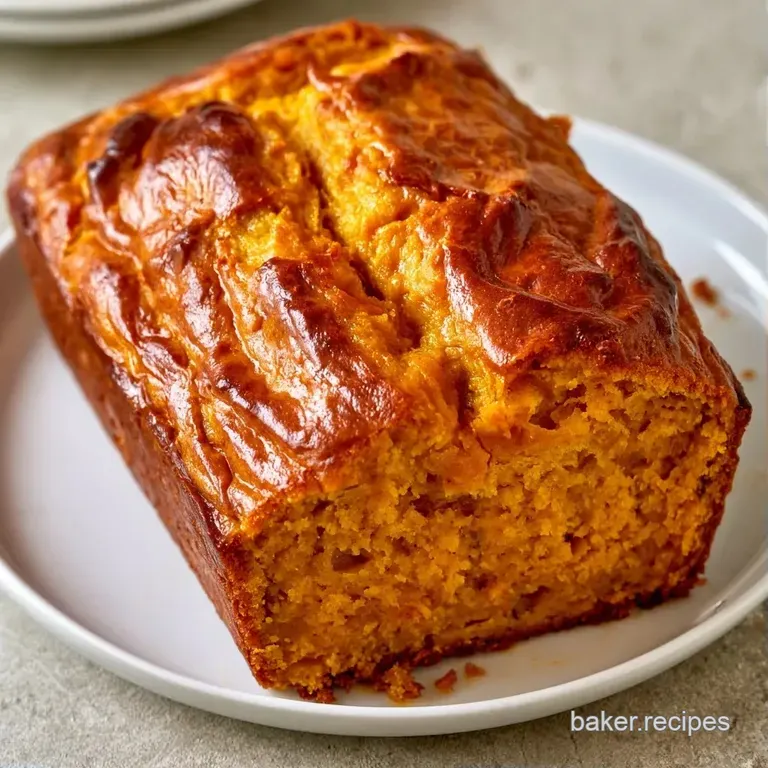
Let's get started. We are using a "no-knead" technique here, allowing the yeast and time to handle the hard work.
- Whisk dry ingredients. Combine the bread flour, sea salt, and instant yeast in your bowl. Note: Whisking prevents the salt from clumping directly against the yeast.
- Add wet ingredients. Use a spatula to stir in the warm water, pumpkin puree, honey, and olive oil.
- Combine until shaggy. Mix just until no dry flour remains. The dough should look sticky and messy rather than smooth.
- The long rise. Seal the bowl tightly with plastic wrap. Let it sit at room temperature for 12 to 18 hours. Wait until the surface shows bubbles and the dough has doubled in size.
- Heat the pot. Place your empty Dutch oven and lid in the oven and preheat to 450°F (230°C).
- Shape the boule. Carefully scrape the dough onto a floured surface. Fold the edges toward the center to form a ball.
- Final rest. Place the ball on parchment paper, cover with a towel, and let it sit for 30 minutes while the pot finishes heating.
- The bake. Carefully lift the parchment and dough into the hot pot. Bake for 45 minutes until the crust is a deep mahogany brown and sounds hollow when tapped.
- Cooling. Let the loaf set on a metal rack for a minimum of 1 hour before slicing.
Fixing Common Issues
If your loaf isn't behaving, it's usually a moisture or temperature issue. Pumpkin puree varies wildly in water content, which can throw the dough off.
Dough feels like batter
If the dough is too wet to even fold, you likely have a high moisture puree. Just sprinkle in an extra 15-20g of flour during the shaping phase.
Loaf didn't rise
This usually happens if the yeast is old or the water was too hot and killed it. Make sure your water is warm, not boiling.
Bottom is too burnt
Some Dutch ovens have thin bottoms that overheat. Try placing a baking sheet on the rack below the pot to deflect some heat.
| Problem | Root Cause | Solution |
|---|---|---|
| Sticky dough | Excess pumpkin moisture | Add 1-2 tbsp flour during shaping |
| Flat top | Under proofed dough | Let rise 2 hours longer |
| Burnt bottom | Pot overheating | Add a baking sheet under the pot |
| Goal | What to change |
|---|---|
| Sweeter taste | Increase honey to 2 tbsp |
| Heartier crumb | Use 100g whole wheat flour |
| Softer crust | Remove lid 10 mins earlier |
Bread Baking Truths
Some people think you have to knead dough for 10 minutes to get a good rise. That's not true. A long, slow ferment creates gluten naturally, which is why this no knead method works so well.
Another myth is that you need a professional steam oven. The Dutch oven mimics this by trapping the bread's own moisture, giving you that bakery style crust at home.
Storage and Leftovers
Store the loaf in a paper or linen bag at room temperature for 2 days. For a longer shelf life, slice the bread and keep the pieces in a sealed freezer bag for a maximum of 3 months.
To warm it up, just put a slice in the oven at 180°C for 5 minutes. This restores the fresh baked crunch.
To avoid waste, save the pumpkin seeds if you prepared your own puree. Roast them with some salt and paprika for a crispy snack.
Pairing Ideas
This bread is rich and earthy, so it needs a partner with a bit of acidity or creaminess. I love serving it with a thick slab of salted butter and a drizzle of honey.
For a full meal, this pairs beautifully with a bowl of Corn Chowder recipe, as the crusty bread is perfect for soaking up the soup.
Customizing Your Loaf
Feel free to customize this recipe to your liking. For a more sophisticated flavor, stir 1 teaspoon of ground cinnamon and a pinch of cloves into your dry ingredients.
If you prefer a tangier profile, you can transform this into a Pumpkin Sourdough Bread by swapping the yeast and some water for an active sourdough starter.
Chef's Tip: For a more rustic appearance, top the boule with a handful of toasted pumpkin seeds and some coarse sea salt just before placing it in the pot.
Now you're ready to bake. This Dutch Oven Pumpkin Bread takes some time, but the smell of that mahogany crust emerging from the oven is worth the wait. Just remember to be patient with the rise, and your home will smell like a harvest festival.
Recipe FAQs
How to make this pumpkin bread softer?
Ensure the dough rises for the full 12 to 18 hours. This extended fermentation allows the yeast to fully develop the structure, creating a more tender crumb without kneading.
What is the best vessel for baking this bread?
A heavy cast iron Dutch oven is ideal. It traps steam released from the dough, which keeps the crust soft longer and allows the bread to rise more before the crust sets.
How to bake this in an electric oven?
Preheat the Dutch oven with the lid on to 450°F (230°C). Place the dough inside the hot pot and bake covered to mimic a professional steam oven environment.
Do I need a specific pan for this recipe?
Yes, a Dutch oven is highly recommended. Using a pot with a tight lid prevents the moisture from escaping, which is the secret to a high rise, professional looking loaf.
How long does the baking process take?
The active cook time is 45 minutes. However, the total process takes significantly longer because the dough must sit for 12 to 18 hours to ferment.
Is it true that I must knead the dough for it to be fluffy?
That's a myth. This no-knead method uses a long fermentation period to develop gluten naturally, resulting in a fluffy texture without any manual labor.
Why is my home baked bread not fluffy?
Check your yeast activity and rise time. If the dough hasn't doubled in size and developed surface bubbles before hitting the 450°F oven, the interior will remain dense.
Dutch Oven Pumpkin Bread