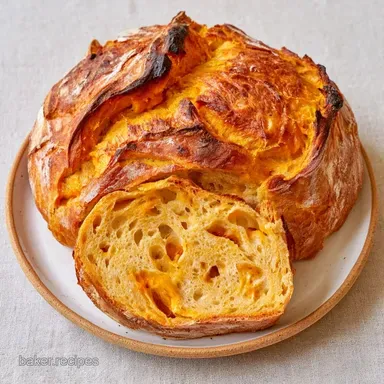
Pumpkin Sourdough Bread in a Dutch Oven
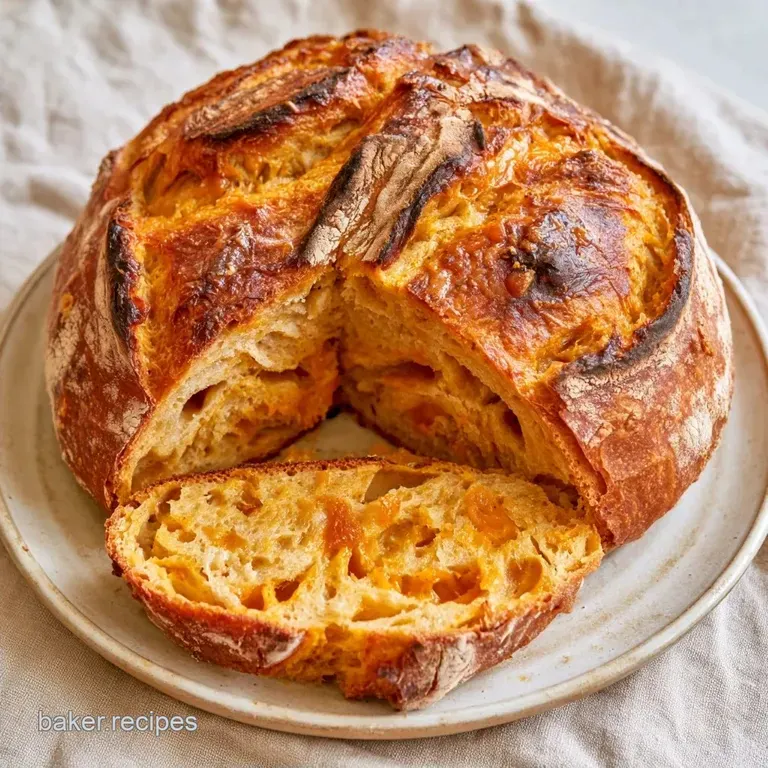
- Time: 30 min active + 17 hrs 30 mins rising/proofing
- Flavor/Texture Hook: Spiced orange crumb with a mahogany, crackly crust
- Perfect for: Weekend slow baking or autumn brunch
Does adding pumpkin puree always lead to a gummy, flat loaf? Most bakers believe that the extra moisture in the puree destroys the structure, turning a proud loaf into something more like a dense cake.
I used to think the same until I stopped treating the puree like a liquid and started treating it like a structural component.
I remember one October morning where my kitchen smelled like a cinnamon orchard, but my loaf looked like a pancake. I had over hydrated the dough, thinking the pumpkin didn't "count" as water. Once I adjusted the ratios, the result changed completely.
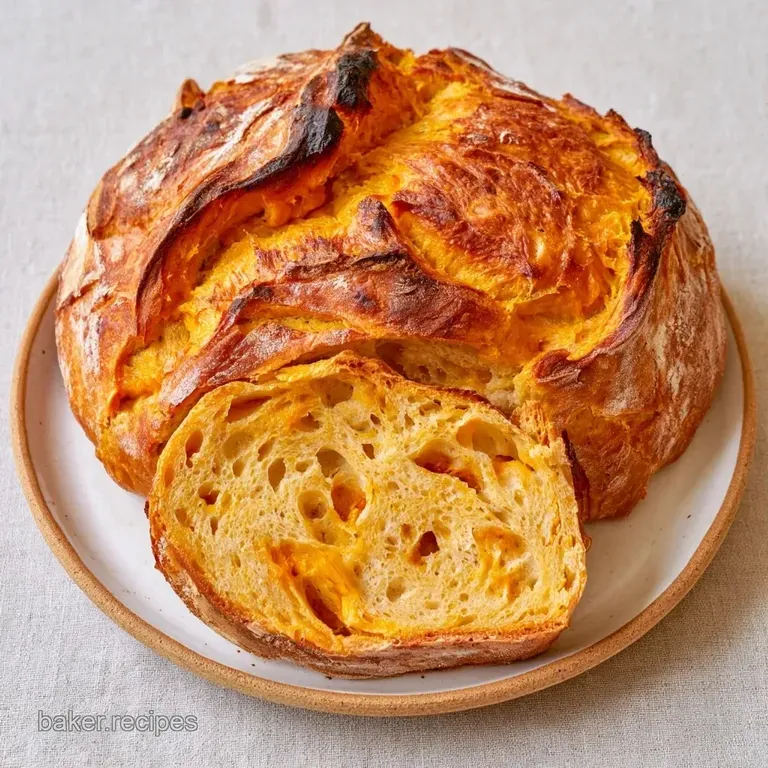
This recipe delivers a Pumpkin Sourdough Bread that actually rises. You get that satisfying, shattering crust on the outside and a soft, deeply spiced interior that feels like a warm hug.
Pumpkin Sourdough Bread
The trick here is managing the sugar and moisture from the pumpkin. Because the puree adds density, we rely on a long cold proof to build strength and a hot environment to force the rise.
Steam Trapping: The Dutch oven holds in the moisture from the dough. This keeps the surface soft for longer, allowing the bread to expand fully before the crust hardens.
Sugar Caramelization: The natural sugars in the pumpkin react with the heat to create a deep mahogany color. It browns in about 15 minutes after you remove the lid. If you enjoy other slow fermenting styles, this approach is similar to how a no knead bread develops its flavor over time.
Recipe Specs
This bake is a slow process that rewards patience. You aren't just mixing ingredients; you're managing a living culture.
Precision Checkpoints:
- Water Temperature: 35°C to 40°C (warm, not hot)
- Bulk Rise: 50% increase in volume
- Internal Temp: 98°C (approx 208°F)
Ingredient Deep Dive
Every part of this loaf serves a purpose. Using high protein bread flour is a non negotiable here because the pumpkin puree tries to weigh the dough down. King Arthur Baking suggests that higher protein levels help maintain the air pockets we need for a light crumb.
| Ingredient | Role | If You Don't Have It |
|---|---|---|
| Active Starter | Leavening & Tang | Commercial yeast + honey (changes flavor) |
| Bread Flour | Structure & Strength | All purpose flour (loaf will be flatter) |
| Pumpkin Puree | Color & Tenderness | Roasted butternut squash puree |
| Sea Salt | Flavor & Yeast Control | Kosher salt |
Basic Kit
While specialized equipment isn't mandatory, these specific tools make the process much easier. A digital scale is highly recommended for accuracy, as measuring flour by the cup can be very inconsistent.
- 5 quart cast iron Dutch oven
- Digital scale (grams)
- Bread lame or a very sharp razor
- Lined banneton or a plastic bowl with a cloth
- Large mixing bowl
The Baking Process
Right then, let's get into it. Make sure your starter is bubbly and active before you start.
- Whisk together the warm water (180ml), pumpkin puree (120g), and active sourdough starter (240g) in a large bowl. Stir in the cinnamon (2g), ginger (1g), and nutmeg (0.5g) until the mixture is a uniform orange hue.
- Add the bread flour (500g) and salt (10g). Stir with a sturdy spoon until a shaggy mass forms and no dry flour remains. Cover and let the dough rest for 30 minutes.
- Perform 4 sets of 'stretch and folds' every 30 minutes. Gently pull the edge of the dough up and fold it over the center. Let it rise at room temperature until it has increased in volume by about 50%. Note: You'll smell a slight fermentation tang mixed with cinnamon here.
- Tip the dough onto a floured surface. Shape it into a tight boule by pulling the edges toward the center. Place it into a lined banneton for a cold proof in the fridge.
- Preheat the cast iron Dutch oven in the oven to 230°C. Transfer the chilled dough onto parchment paper, score the top with a bread lame, and sprinkle with pumpkin seeds (15g).
- Place the dough into the hot Dutch oven. Bake covered for 30 minutes to trap steam.
- Uncover and bake for another 15 minutes until the crust is mahogany brown and sounds hollow when tapped.
Fixing Common Issues
Pumpkin dough is naturally wetter than a standard sourdough. It can feel slippery, which makes some bakers panic and add too much flour. Don't do that. Adding extra flour now will lead to a brick like loaf.
Sticky Dough
If the dough clings to everything, it's usually just the pumpkin sugars. Use a bench scraper for the initial shaping or lightly oil your palms with a drop of neutral oil.
Flat Loaf
A flat loaf usually means the dough was over proofed or didn't have enough strength. Ensure you don't skip the stretch and folds.
Burnt Bottom
Cast iron holds immense heat. If the bottom burns before the top is done, place a baking sheet on the rack below the Dutch oven to deflect some of the heat.
| Problem | Fix |
|---|---|
| Sticky Dough | Use a bench scraper or oiled hands |
| Flat Loaf | More stretch and folds during bulk rise |
| Burnt Bottom | Add a baking sheet to the lower rack |
Serving Suggestions
This Pumpkin Sourdough Bread is’ best served warm. I love slicing it thick and spreading a generous layer of salted butter on top. The butter melts into the spiced crumb, creating a rich contrast.
For a more autumn inspired breakfast, try toasting a slice and topping it with ricotta cheese and a drizzle of maple syrup. It's a great way to bring out the nutmeg and ginger notes.
Storage Guidelines
Sourdough typically lasts longer than store-bought bread, but the pumpkin's moisture can cause it to spoil more quickly if trapped.
Keep your Pumpkin Sourdough Bread at room temperature for 3 days. Wrap it in a linen towel or paper bag to prevent the crust from softening. Avoid using plastic wrap, as it makes the crust gummy.
For longer storage, slice the loaf first. Place the slices in a sealed freezer bag for 3 months. To refresh them, simply use a toaster.
Don't toss any leftover starter from this recipe. Sourdough discard is perfect for making crackers or pancakes, ensuring a zero waste kitchen.
Easy Swaps
Feel free to adapt this recipe to the ingredients you have on hand. For added texture, fold in 50g of toasted walnuts during the last set of stretch and folds.
| Original Ingredient | Substitute | Why It Works |
|---|---|---|
| Bread Flour (500g) | All Purpose Flour | Works well, but Note: creates a denser crumb |
| Pumpkin Puree (120g) | Butternut Squash Puree | Texture is very similar. Note: Slightly sweeter, less distinct pumpkin flavor |
| Sea Salt (10g) | Kosher Salt | Same function. Note: Adjust slightly for saltiness |
If you're after a richer, more buttery texture, you might enjoy my sourdough brioche rolls as an alternative to this rustic style.
Decision Shortcuts:
- For a softer crust: Bake for 5 minutes less after uncovering.
- For more spice: Increase cinnamon to 3g.
- For a denser crumb: Use 20ml less warm water.
This Pumpkin Sourdough Bread blends the best of the orchard and the autumn harvest into one loaf. It takes some time, but the scent of toasted seeds and cinnamon throughout your home is worth every minute. Give it a try this weekend.
Recipe FAQs
Can you add pumpkin to sourdough?
Yes, pumpkin puree adds moisture and a lovely orange hue. It blends well with the starter and warm water to create a flavorful, autumnal loaf.
How long to bulk ferment pumpkin sourdough?
Wait until the dough increases in volume by about 50%. This usually happens after you complete four sets of stretch and folds every 30 minutes.
Is a Dutch oven the best tool for baking this bread?
Yes, a 5-quart cast iron Dutch oven is ideal. It traps steam during the first 30 minutes of baking, which allows the bread to expand before the crust sets.
How do you prepare a sourdough starter for baking?
Continue feeding the starter flour and water until it's bubbly and active. If you liked using this fermented dough, try your hand at our homemade naan.
Is it true that you need a professional steam oven for a crispy crust?
Not true. A preheated Dutch oven in a standard home oven mimics professional steam injection perfectly to achieve a mahogany brown crust.
What are common pumpkin bread mistakes?
Adding too much puree or skipping the cold proof. Over hydrating the dough can make it too sticky to shape into a tight boule, leading to a flat loaf.
Pumpkin Sourdough Bread 2