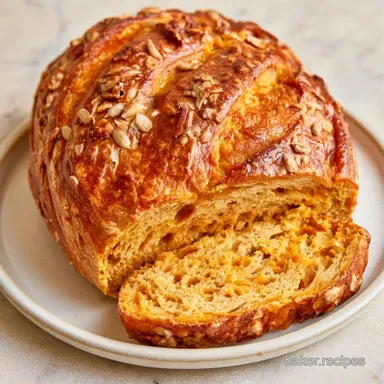
Cold Proof Pumpkin Sourdough: Mahogany Crust
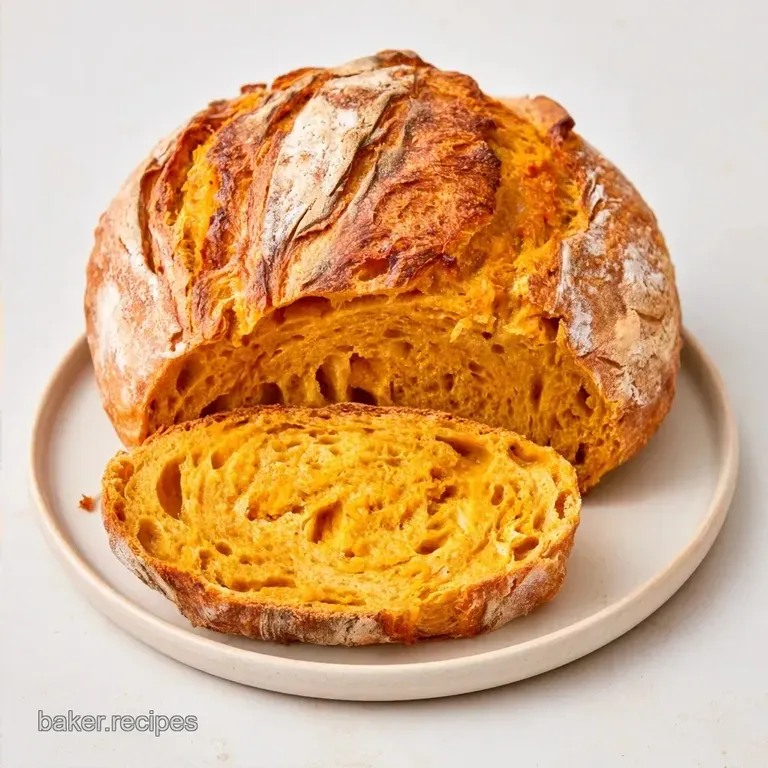
- Time:45 minutes active + 25 hours rising/chilling
- Flavor/Texture Hook: Earthy, spiced aroma with a mahogany, crackling crust
- Perfect for: Cozy autumn mornings or a centerpiece for a harvest brunch
Pumpkin Sourdough
The scent of toasted cinnamon and rising dough is essentially autumn in a home. My first foray into adding pumpkin to a starter was a bit too ambitious; I overdid the puree and produced a flat, orange pancake.
That mistake revealed that pumpkin behaves like a diva it adds substantial moisture, so you must carefully balance the hydration to preserve the bread's structure.
Once the ratio was dialed in, this became my preferred seasonal loaf. The pumpkin puree is the star here, offering more than just color; it brings a specific sweetness that complements the lactic acid of the sourdough.
Avoiding shortcuts like pumpkin spice syrup is key, as you'd miss the deep, earthy complexity that only real puree delivers.
Patience is the secret to this Pumpkin Sourdough. We utilize a long cold proof to let the flavors mature and intensify. Trust the process the overnight chill is where the real magic occurs. It elevates a simple loaf into something that smells like a high end bakery the moment it enters the oven.
Why This Recipe Works
The Sugar Boost: Pumpkin puree provides natural sugars that give the sourdough yeast extra energy, resulting in a better rise.
Moisture Control: The bread flour's high protein content offsets the wetness of the puree, keeping the dough from becoming too slack.
Recipe Basics and Specs
Your choice of technique will influence the final characteristics of your Pumpkin Sourdough. I typically prefer a Dutch oven to achieve a shatter crisp crust, though a baking stone is a great alternative if you can manage the steam.
| Method | Time | Texture | Best For |
|---|---|---|---|
| Dutch Oven | 26 hours | Thick, crackling crust | Maximum oven spring |
| Open Bake | 26 hours | Lighter, thinner crust | Easier access |
| No Knead | 26 hours | More irregular holes | Low effort days |
Here is a quick breakdown of the timing. This recipe yields one substantial loaf. While the total process takes 26 hours, the vast majority of that is passive fermentation in the refrigerator. You'll only spend about 45 minutes on active preparation.
The Ingredient List
I recommend using a high protein bread flour here. All-purpose flour lacks the strength to support the weight of the pumpkin puree, which often results in a gummy center. For those who prefer a more delicate crumb, my pumpkin sourdough recipe is designed for a softer interior.
| Component | Purpose | Substitute Notes |
|---|---|---|
| Sourdough Starter | Rise & Tang | Use a bubbly, active starter |
| Pumpkin Puree | Hue & Hydration | Fresh is more rustic; canned is more uniform |
| Bread Flour | Strength & Body | Spelt works but creates a heavier loaf |
| Maple Syrup | Sugar | Honey is a great swap, providing floral notes |
The Full List:
- 1/2 cup (120g) active sourdough starter
- 1/2 cup (120g) unsweetened pumpkin pureeWhy this? Provides that classic fall color and earthy richness
- 1/3 cup (80ml) warm water
- 3 1/2 cups (420g) bread flour
- 2 tsp (10g) fine sea salt
- 2 tbsp (30g) maple syrup or honey
- 1 tsp (2g) ground cinnamon
- 1/2 tsp (1g) ground ginger
- 1/4 tsp (0.5g) ground nutmeg
- 1 tsp (2g) pumpkin pie spice
Chef's Note: Mix in a bit of espresso powder with your spices to enhance the overall profile. You won't notice any coffee flavor, but it really brings out the brightness of the cinnamon and nutmeg.
Must Have Kitchen Gear
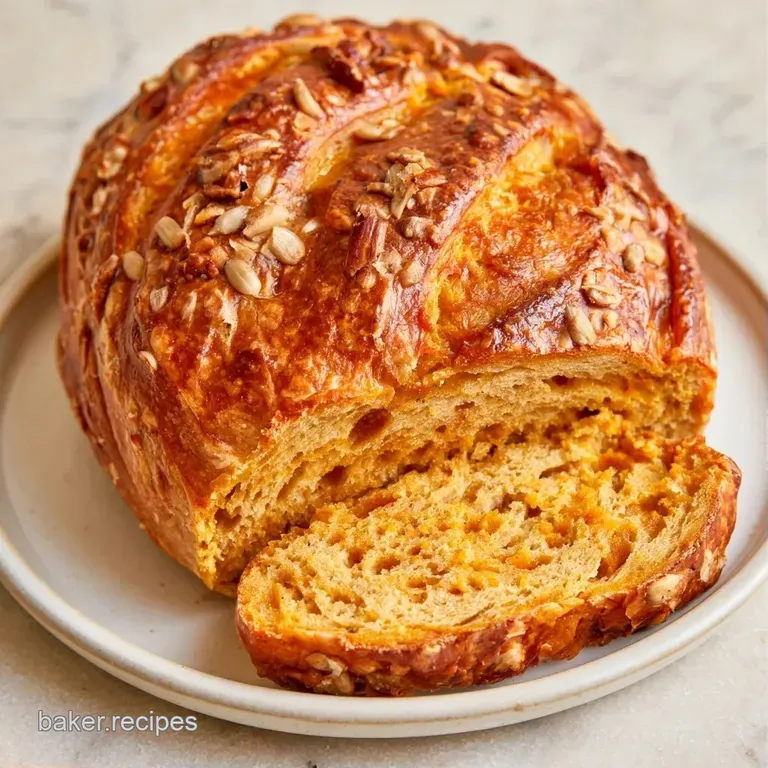
You can certainly make this without fancy equipment, but a few tools make this Pumpkin Sourdough much simpler to manage. A digital scale is essential, as measuring flour by the cup can be inconsistent depending on your scooping method.
I highly suggest using a bench scraper. Pumpkin dough is stickier than standard sourdough, and trying to shape it by hand often results in a flour covered mess. A heavy Dutch oven is also recommended; it traps the escaping steam, preventing the crust from setting too early and allowing the bread to expand.
Should you lack a Dutch oven, a heavy lidded pot works well. Alternatively, place a tray of boiling water at the bottom of the oven beneath your baking sheet to create the required humidity.
Making the Bread
Phase 1: The Mix and Autolyse
- Combine the active sourdough starter, warm water, pumpkin puree, and maple syrup in a big mixing bowl, whisking until the consistency is smooth and glossy.
- Sift in the bread flour and pumpkin spice mix, then stir in the salt.
- Mix with a spatula or your hands until a shaggy dough forms and all dry flour is gone.
- Cover with a damp cloth and let it rest for 30 minutes. Note: This autolyse step lets the flour hydrate, making the Pumpkin Sourdough less sticky later.
Phase 2: Developing Structure
- Over the next 2 hours, complete 4 sets of stretch and folds every 30 minutes. Reach beneath the dough, pull it upward, and fold it across.
- Keep the bowl covered and let the dough rise at room temperature until it has expanded by 50% and small surface bubbles appear.
Phase 3: Shaping and Cold Proof
- Carefully turn the dough out onto a floured surface. Use a bench scraper to shape it into a loose round.
- Transfer the dough to a floured banneton or bowl and cover.
- Refrigerate for 12-15 hours. This cold proof period locks in flavor and makes the dough easier to score.
Phase 4: The Bake
- Preheat the oven and Dutch oven to 450°F (230°C).
- Use a sharp blade or razor to score the top of the loaf.
- Bake for 30 minutes with the lid on.
- Remove the lid and bake for another 15 minutes until the crust is a dark, rich brown and sounds hollow when tapped.
Wait at least 1 hour before slicing. I know it's difficult, but if you cut it now, the steam escapes and the interior can turn gummy.
Solving Common Issues
Working with pumpkin can be challenging since puree moisture levels vary by brand. If your Pumpkin Sourdough resembles a thick batter rather than a dough, don't worry. Just incorporate flour in 1-tbsp amounts during your first set of stretch and folds.
Fixing Sticky Dough
If the dough clings to your skin, your puree may have been particularly watery. Use a bench scraper and a light dusting of flour on your workspace. Avoid over flouring the dough itself, or the loaf will become dense and lose its velvety interior.
Dealing with Flat Loaves
A flat loaf typically indicates it over proofed at room temperature before refrigeration. To avoid this, prioritize the dough's appearance over the timer. Once it reaches the 50% growth mark, move it into the cold.
Preventing a Burnt Bottom
Certain Dutch ovens conduct heat too intensely. If the bottom of your Pumpkin Sourdough is charred, place a baking sheet or a layer of parchment paper on the rack beneath the pot to deflect some of the heat.
| Problem | Fix |
|---|---|
| Dough is too tacky | Mix in flour in 1-tbsp portions during folds |
| Loaf didn't rise | Shorten room temp rise; check starter activity |
| Bottom is scorched | Use a baking sheet as a heat shield below the pot |
Flavor Twists and Swaps
This Pumpkin Sourdough is incredibly versatile when it comes to mix-ins. I enjoy incorporating dried cranberries or toasted pepitas during the second round of stretch and folds to create a wonderful texture contrast against the soft crumb.
If you aren't a fan of kneading, my no knead pumpkin sourdough is a fantastic alternative. It requires a bit more time but significantly less manual effort. For a dessert style loaf, you can substitute the maple syrup with brown sugar and add an extra pinch of cinnamon.
| Goal | What to change |
|---|---|
| Spicier loaf | Double the ground ginger |
| Sweeter crumb | Add 1 tbsp more maple syrup |
| Thicker crust | Add 20g more bread flour |
You can also achieve a "swirl" effect by folding cinnamon sugar into the dough during the final shaping phase. This transforms the Pumpkin Sourdough into a hybrid between a traditional loaf and a cinnamon roll.
Storage and Waste
Store your Pumpkin Sourdough in a paper or linen bag at room temperature for about 2 days. Avoid using plastic bags, as they hold in moisture and make the crust rubbery and soft. If you cannot finish the loaf within 48 hours, slice it and freeze the pieces.
To reheat frozen slices, simply put them in a toaster or a hot oven for a few minutes. They will taste nearly as fresh as they did the day they were baked.
To avoid waste, don't toss your sourdough discard. You can prepare a Pumpkin Sourdough discard bread by mixing the leftover starter with flour and a bit of pumpkin puree for quick pancakes or crackers. This allows you to utilize all of your starter without throwing anything away.
Best Ways to Serve
The most classic way to eat this Pumpkin Sourdough is toasted with a thick slab of salted butter. The salt cuts through the sweetness of the pumpkin and maple syrup, creating a perfect balance.
It also pairs beautifully with a bowl of creamy tomato soup or a spicy butternut squash bisque. Because of the cinnamon and ginger notes, this bread works surprisingly well with a sharp cheddar cheese or a creamy goat cheese spread.
If you have leftovers, try making "pumpkin french toast" by dipping slices in an egg and vanilla mixture and frying them in butter. It's a fantastic way to use the day old heel of the loaf. This Pumpkin Sourdough is truly a versatile autumn staple that brings a warm, orchard like vibe to any meal.
Right then, you're all set. Just remember to be patient with the rise and don't rush the cooling process. Happy baking!
Recipe FAQs
How to prepare a sourdough starter for baking?
Feed your starter with equal parts flour and water a few hours before starting. Wait until it is active and bubbly to ensure the bread rises properly.
Can sourdough be cold proofed in the fridge?
Yes, placing the shaped dough in the refrigerator slows down fermentation. This develops a deeper flavor and makes the loaf easier to score before baking.
Is it true that dough must rise during a cold proof?
Actually, no. Very little visible growth happens in the fridge, but the yeast is still working slowly to build complex flavors.
How long to bulk ferment pumpkin sourdough?
Let the dough rise at room temperature until it grows by about 50% and shows small surface bubbles. This usually takes several hours depending on the warmth of your kitchen.
What is the best thing to bake sourdough bread in?
Use a Dutch oven to trap steam and create a crisp, professional crust. If you enjoyed mastering high hydration dough here, see how the same principle works in no-knead bread.
How to make a softer sourdough bread?
Include maple syrup or honey in your mix to tenderize the crumb. These natural sugars keep the interior moist and soft for longer.
Cold Proof Pumpkin Sourdough